Essential Steps to Take After a Car Accident in Seattle, WA
A car accident can be overwhelming, but knowing what to do can ease the process. This guide provides essential steps for Seattle residents to take immediately following a collision, ensuring health, safety, and legal rights are protected.

A car accident can turn your day upside down in an instant. One moment you are driving through the scenic streets of Seattle, and the next, you find yourself involved in a collision that disrupts not only your plans but also your life. The immediate aftermath can be chaotic — from managing injuries and vehicle damage to dealing with insurance claims and navigating the legal system. Knowing the right steps to take can significantly impact your recovery and potential compensation. This guide details essential actions to consider after a car accident in Seattle, ensuring that you are prepared to protect your health, gather crucial evidence, and understand your rights under Washington law.
In the moments following a crash, your focus should be on safety and health. It’s imperative to remain calm and composed. Immediately check for injuries among yourself and any passengers, and if needed, call 911 for emergency assistance. If the accident is minor and vehicles can be safely moved, relocate them out of traffic to prevent further incidents. Turn on your hazard lights to enhance visibility. The decisions you make in these early moments can have lasting implications on your recovery process and any potential legal claims.
Understanding Washington's Car Accident Laws
Before diving into the specific steps to take following an accident, it’s crucial to understand the legal framework governing car accidents in Washington State. Washington operates under an at-fault insurance system. This means that the driver deemed responsible for the accident is liable for damages stemming from the collision. Additionally, Washington follows a pure comparative fault rule. Under this rule, even if you are partially at fault for the accident, you may still be eligible for compensation. However, your settlement amount would be reduced by your percentage of fault.
The Importance of Evidence
Gathering evidence is vital for supporting your claim. The more documentation you have, the stronger your case will be. This includes:
- Photographs of the accident scene, damage to vehicles, and any visible injuries.
- Contact information from witnesses who can corroborate your account.
- A copy of the police report, if available.
- Medical records detailing any injuries sustained in the accident.
Time is of the essence when it comes to collecting evidence; as time passes, details may fade, and witnesses may become difficult to contact. Therefore, acting swiftly can bolster your case significantly.

Prioritizing Your Health
Your health should be your top priority after an accident. Not all injuries manifest immediately; conditions affecting the neck, back, or brain may take hours or even days to become apparent. Seeking medical attention as soon as possible not only protects your well-being but also establishes a documented connection between your injuries and the accident. Follow your healthcare provider's recommendations closely and keep copies of all medical documentation, as this will be crucial when filing an insurance claim or pursuing legal action.
Communicating with Insurance Companies
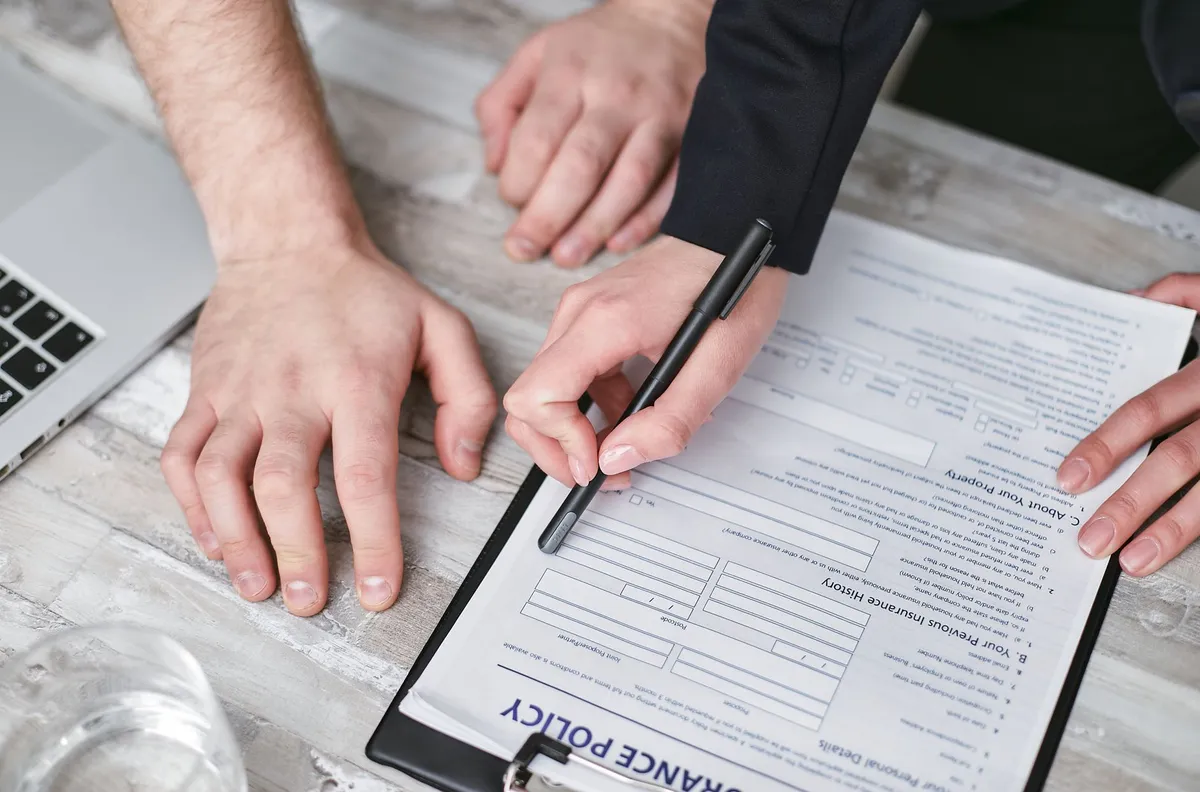
After an accident, you will need to report the incident to your insurance company. However, it is essential to communicate thoughtfully. Be cautious about providing recorded statements to the other driver’s insurer before fully understanding your rights. Generally, you are not obligated to give a recorded statement immediately following an accident. Consulting with a personal injury attorney can help you navigate these communications and protect your interests.
Documenting Financial Impact
In the aftermath of a car accident, the financial implications can be significant and multifaceted. Beyond medical bills, you may face costs related to vehicle repairs, missed work, and other damages. Keeping organized records of all expenses incurred due to the accident is crucial. This documentation will facilitate smoother discussions with your insurance company and any legal representatives, ensuring that you can demonstrate the full extent of your financial losses.
Working with a Personal Injury Lawyer
Many accident claims can be resolved without significant disputes, but some situations become more complicated, especially when fault is contested or injuries are severe. In such cases, hiring a personal injury attorney can be invaluable. An experienced lawyer can evaluate your case, explain your options, and advocate for your best interests while you focus on recovery. They can handle negotiations with insurance companies and, if necessary, represent you in court.

Key Takeaways
- **Safety First**: Check for injuries and call emergency services if necessary.
- **Gather Evidence**: Document the scene, injuries, and collect witness information.
- **Seek Medical Attention**: Prompt treatment is crucial for recovery and documentation.
- **Communicate Wisely**: Be cautious with statements to insurance companies.
- **Consider Legal Help**: An attorney can guide you through complex claims and negotiations.
Frequently Asked Questions
What should I do immediately after a car accident?
After a car accident, the first step is to ensure safety by checking for injuries and calling 911 if necessary. If the vehicles are operable and it is safe to do so, move them out of traffic. Collect information at the scene, including photographs, witness details, and police reports, and seek medical attention even if injuries are not immediately apparent.
How does Washington’s comparative fault rule affect my claim?
In Washington, the comparative fault rule allows you to recover damages even if you are partially at fault for the accident. However, your total compensation will be reduced by your percentage of fault. For example, if you are found to be 20% at fault and your total damages are assessed at $10,000, you would receive $8,000.
Do I need a lawyer for my car accident claim?
While not mandatory, hiring a personal injury lawyer can significantly benefit your case, especially if there are disputes over fault or serious injuries involved. An attorney can provide legal advice, negotiate with insurance companies, and represent your interests in court, ensuring that you receive the compensation you deserve.
What expenses can I claim after a car accident?
You can claim a variety of expenses following a car accident, including medical bills, vehicle repairs, lost wages due to missed work, and other out-of-pocket costs directly related to the accident. Documenting all related expenses is essential for a successful claim.
*This article is for informational purposes only and does not constitute legal advice.*
Comments
Popular in Car Accidents
- Essential Questions for Choosing a Car Accident Lawyer in Monterey County
- Navigating the Aftermath of a Car Accident in Corsicana, Texas
- Navigating Car Accident Claims in Worcester: A Comprehensive Guide
- Understanding the Summer Surge: Car Accidents in Massachusetts
- Understanding Car Accident Settlements: Key Factors and Insights