Understanding the Summer Surge: Car Accidents in Massachusetts
As summer approaches, Massachusetts sees a spike in car accidents. This article explores the reasons behind this trend, highlighting key statistics, contributing factors, and how residents can protect themselves on the roads.
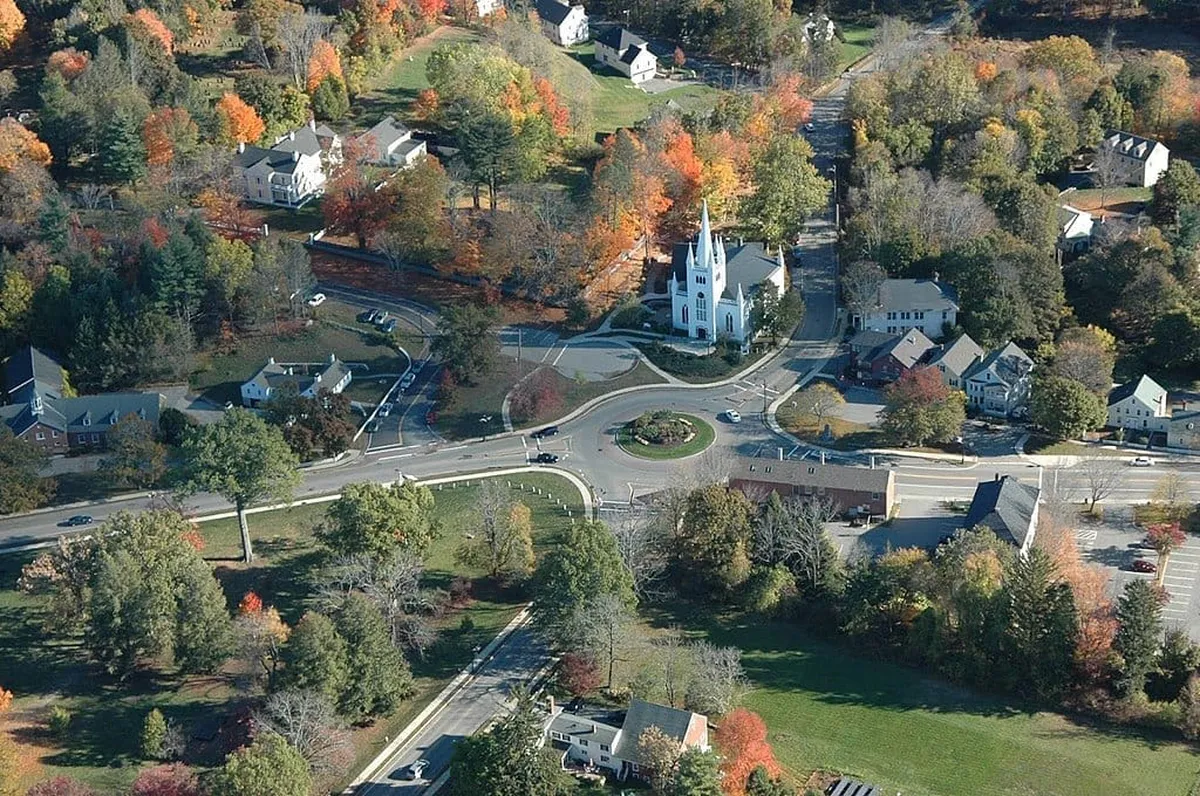
Every summer, Massachusetts experiences a notable increase in car accidents, raising concerns for drivers, families, and public safety officials alike. From Memorial Day to Labor Day, roadways across the Commonwealth become increasingly congested as residents and tourists flock to beaches, sporting events, and outdoor gatherings. This surge in traffic coincides with ongoing construction projects and longer daylight hours, creating an environment where serious crashes are more likely. Understanding the underlying factors contributing to this seasonal spike can help drivers navigate the roads more safely and reduce the risk of accidents.
According to the Massachusetts Department of Transportation's IMPACT Crash Data Portal, a pattern emerges each summer correlating with increased traffic volume and higher collision rates. Nationally, the National Highway Traffic Safety Administration (NHTSA) projects about 39,345 traffic fatalities for 2024, with a significant concentration of these fatalities occurring between July and September—the peak of summer travel. Massachusetts reflects this trend, with urban centers like Boston and major routes such as Interstate 90 and Route 128 seeing particularly high traffic density during the summer tourism season.
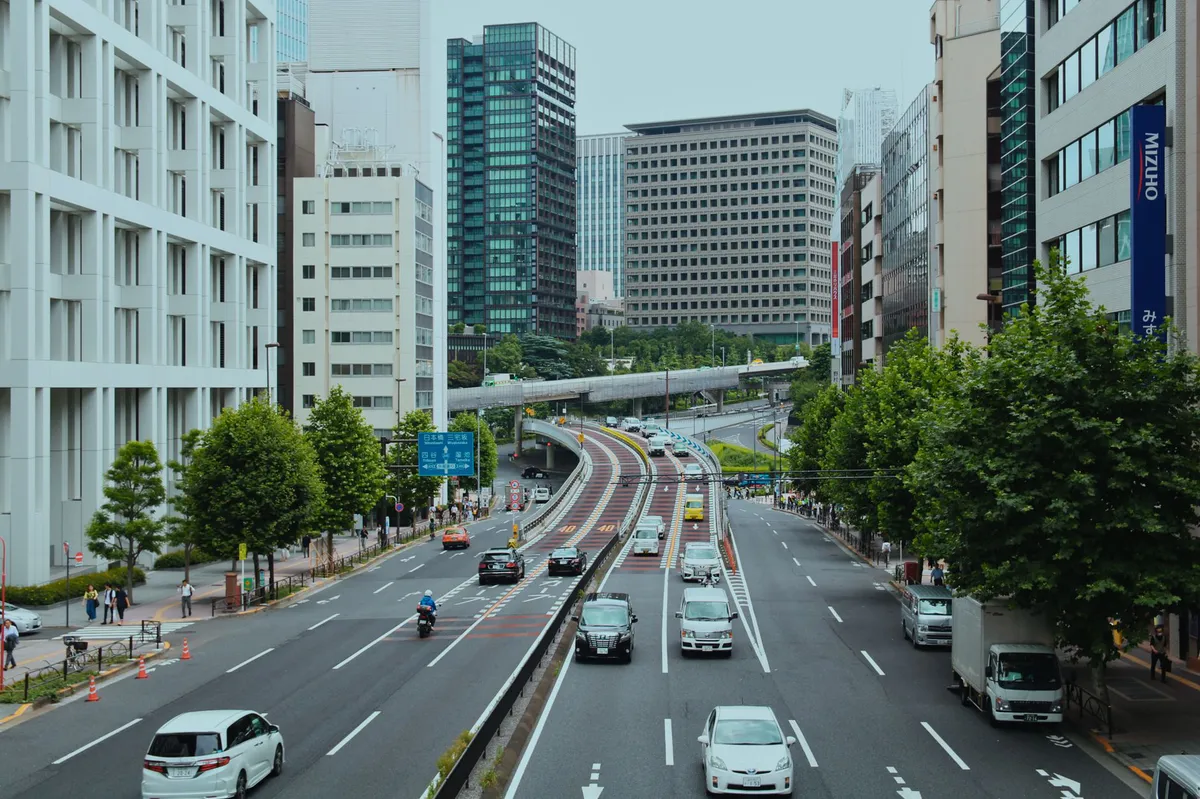
The “100 Deadliest Days” of Summer Driving
Traffic safety organizations commonly refer to the period between Memorial Day and Labor Day as the "100 Deadliest Days." This phrase, popularized by AAA and other safety advocates, highlights the heightened dangers present during the summer driving season. The combination of increased road usage, unfamiliar drivers, and risky behaviors contributes to this alarming trend.
Why Are Summer Roads More Dangerous?
Summer brings better weather conditions, but it also leads to an influx of drivers who may not be accustomed to the local roads. A driver who typically navigates moderate traffic during winter months may suddenly find themselves in heavy congestion, lane closures due to construction, and surrounded by distracted tourists. All of these factors significantly elevate the risk of accidents.
Another element contributing to the increased danger on summer roads is the extended daylight. Improved visibility may seem beneficial, yet it encourages longer trips and later outings, which can lead to driver fatigue. As more vehicles take to the roads, the likelihood of collisions rises proportionally. Furthermore, summer weekends often see a spike in speeding-related accidents, especially on highways leading to vacation hotspots.

Factors Driving the Increase in Car Accidents
The uptick in car accidents during summer months is rarely due to a single cause; instead, it stems from several converging factors:
- Distraction: Smartphones are notorious for causing distractions. Drivers who check navigation apps or respond to messages risk taking their attention away from the road.
- Speeding: Favorable weather conditions often lead drivers to feel more comfortable traveling at higher speeds, which reduces reaction times and increases crash severity.
- Impaired Driving: Summer holidays such as Memorial Day and Independence Day are commonly associated with higher alcohol consumption, significantly contributing to impaired driving incidents.
- Road Conditions: Massachusetts takes advantage of warmer months to conduct construction and maintenance projects. Drivers who fail to adapt to changing conditions in work zones increase the likelihood of accidents.
- Unfamiliar Roads: With many visitors traveling through Massachusetts, drivers may make sudden lane changes or become easily distracted, leading to collisions.
Additional risk factors include the prevalence of drowsy driving as families embark on long road trips. Research indicates that tired drivers exhibit impairments similar to those of alcohol-impaired drivers, making fatigue a critical concern during summer travel.
Vulnerable Groups and Their Risks
Certain demographics are particularly susceptible to the heightened risks associated with summer driving. For instance:
Teenage Drivers
With school out for summer break, teenagers often spend more time behind the wheel. Their inexperience, combined with heavy traffic and potential distractions, places them at a higher risk for accidents.
Motorcyclists
As warm weather encourages more riders to take to the road, motorcycle accidents tend to increase. Unlike drivers in passenger vehicles, motorcyclists lack the protective structure of a car, making them more vulnerable to serious injuries.
Pedestrians and Cyclists
Summer also brings more pedestrians and cyclists to the streets. Increased outdoor dining, festivals, and community events lead to higher vehicle-pedestrian collision risks, especially in busy urban areas.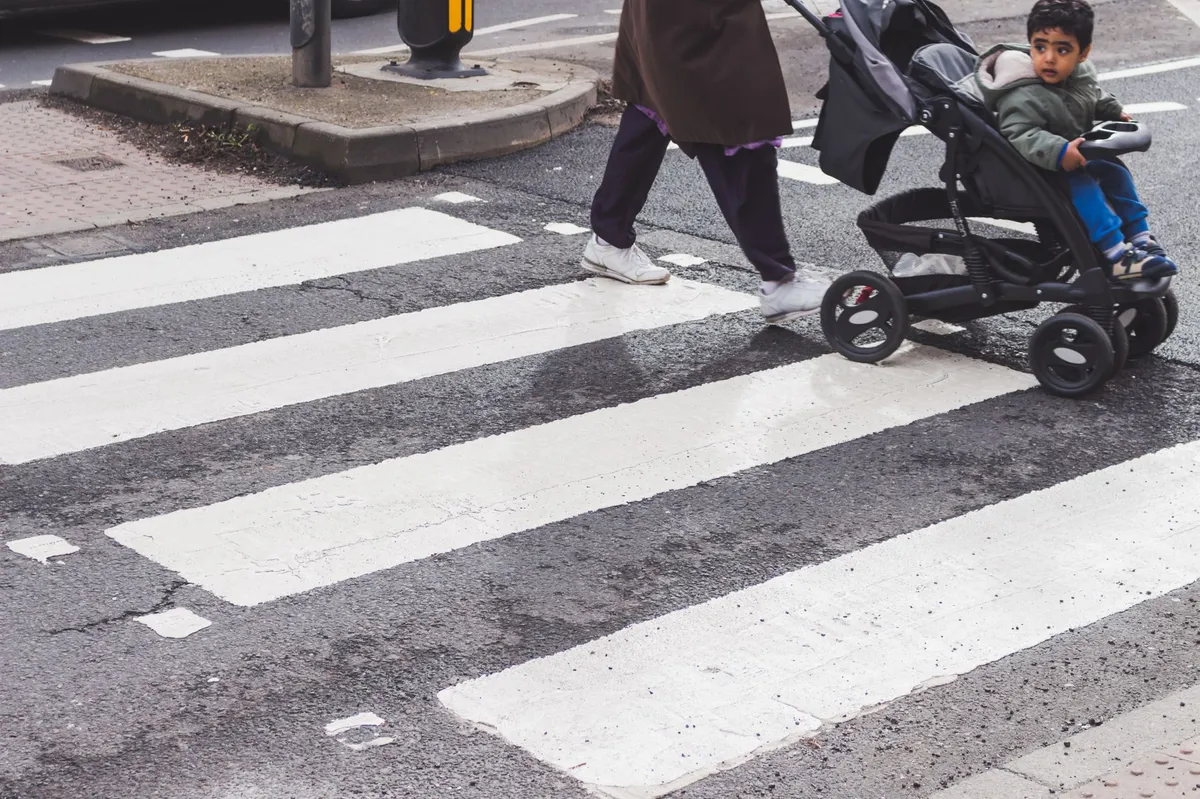
Navigating the No-Fault Insurance System in Massachusetts
In Massachusetts, drivers operate under a no-fault auto insurance system, which impacts how injury claims are processed after an accident. Injured drivers typically seek compensation through their own Personal Injury Protection (PIP) coverage, regardless of who caused the crash. However, there are exceptions to this rule: if medical expenses exceed $2,000 or if serious injuries are present, individuals may pursue claims against the at-fault driver.
Understanding the intricacies of this system is essential, particularly given the statute of limitations in Massachusetts, which allows three years from the date of the accident to file a lawsuit. Missing this deadline can jeopardize one's ability to recover compensation. The complexity of no-fault rules often drives accident victims to seek legal counsel, especially during the summer months when collision rates peak.

Proactive Steps to Enhance Road Safety
While summer presents unique driving challenges, motorists can take proactive measures to minimize risks:
- Drive During Off-Peak Hours: Whenever possible, avoid traveling during holiday weekends or Friday evening rush hours to reduce exposure to heavy traffic.
- Stay Informed: Utilize navigation apps that provide real-time traffic updates to avoid construction zones and road closures.
- Limit Distractions: Configure navigation and music settings before hitting the road, and put smartphones away while driving.
- Prioritize Rest: Ensure adequate sleep before embarking on long trips, and take regular breaks to combat fatigue.
- Anticipate Mistakes: Maintain a safe following distance and be prepared for sudden stops, especially in high-traffic areas or near construction zones.
By understanding the reasons behind the summer spike in car accidents in Massachusetts, drivers can make informed decisions that enhance safety for themselves and others on the road. Awareness of the contributing factors allows motorists to adopt precautionary measures, ultimately reducing the number of collisions and protecting families during the popular summer travel season.
Key Takeaways
- Summer sees a significant rise in car accidents due to increased traffic and risky driving behaviors.
- The period from Memorial Day to Labor Day is dubbed the "100 Deadliest Days" for driving.
- Massachusetts operates under a no-fault insurance system, impacting how injury claims are filed.
- Proactive measures, like driving during off-peak hours and limiting distractions, can enhance road safety.
- Understanding local traffic patterns and conditions is crucial for navigating Massachusetts roads in summer.
Frequently Asked Questions
What are the leading causes of summer car accidents?
The leading causes of summer car accidents include driver distractions (primarily from smartphones), speeding due to favorable weather conditions, impaired driving during holiday celebrations, and unfamiliarity with local roads among tourists. These factors, combined with increased traffic volume, create a perfect storm for collisions during the summer months.
How does Massachusetts’ no-fault insurance system work?
In Massachusetts, the no-fault insurance system requires injured drivers to first seek compensation through their own Personal Injury Protection (PIP) coverage, regardless of fault. However, if medical expenses exceed $2,000 or if serious injuries occur, injured parties may pursue claims against the at-fault driver. Understanding the nuances of this system is crucial for accident victims seeking compensation.
What should I do if I'm involved in a summer car accident?
If you are involved in a summer car accident, the first step is to ensure everyone’s safety and seek medical attention if needed. Document the scene thoroughly, including taking photos and gathering witness information. Report the accident to your insurance company and consider consulting with a personal injury attorney, especially if there are injuries or disputes regarding fault.
How can I reduce my risk of being in a car accident during summer?
To reduce your risk of being in a car accident during summer, consider driving during off-peak hours, staying informed about traffic conditions, limiting distractions, ensuring adequate rest before long trips, and anticipating the actions of other drivers. By adopting these proactive measures, you can enhance your safety on the road during the busy summer months.
Disclaimer: This content is general information and not legal advice.
Comments
Popular in Car Accidents
- Navigating the Aftermath of a Car Accident in Corsicana, Texas
- Essential Questions for Choosing a Car Accident Lawyer in Monterey County
- Navigating Car Accident Claims in Worcester: A Comprehensive Guide
- Understanding Car Accident Settlements: Key Factors and Insights
- Navigating Insurance Disputes After Car Accidents in South Carolina