Navigating the Aftermath: What to Do After a Car Accident in Vancouver, WA
A car accident can be overwhelming, but knowing the right steps to take in Vancouver, WA, can ensure your safety and strengthen any potential claim. This comprehensive guide covers essential actions, legal considerations, and how to effectively navigate the insurance landscape.
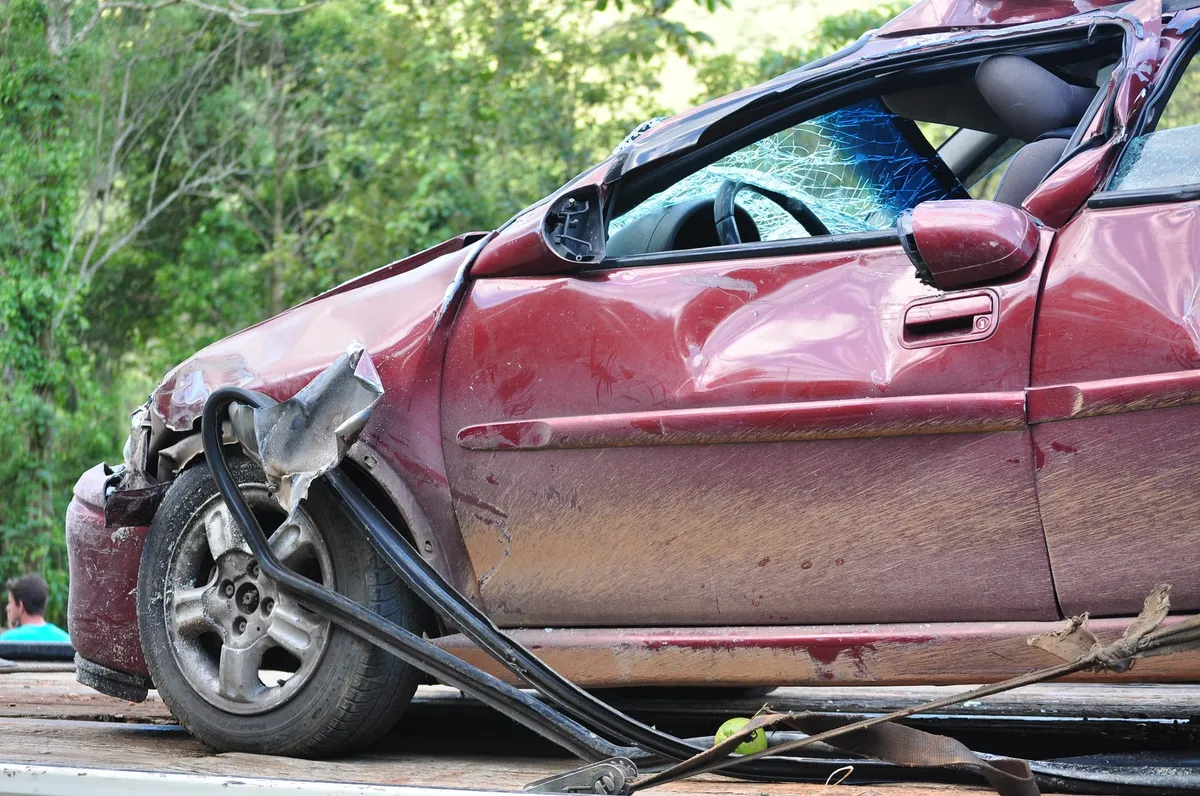
Experiencing a car accident can be a traumatic event that leaves individuals feeling disoriented and uncertain about what to do next. In Vancouver, Washington, understanding the proper steps to take immediately following a collision is essential for ensuring your safety, protecting your legal rights, and maximizing any potential compensation. From securing medical attention to navigating insurance claims and understanding Washington's unique laws regarding liability, knowing how to act can significantly impact your recovery journey and financial outcome.
Given the complexities of car accidents and the potential long-term consequences of injuries, it’s crucial to approach the aftermath with a clear strategy. This article outlines key steps to take after a car accident in Vancouver, providing vital insights that can help you maneuver through the challenging landscape of personal injury claims.

Immediate Actions: Prioritizing Safety and Documentation
In the immediate aftermath of a car accident, your first concern should always be safety. If your vehicle is operable and can be moved without further risk, relocate it out of traffic. This reduces the chance of additional accidents and protects the safety of you, your passengers, and other road users. Once you are in a safe location, activate your hazard lights to alert other drivers.
Check for Injuries
After ensuring safety, check yourself and your passengers for any injuries. Adrenaline can mask pain, so even if everyone seems fine, it's important to seek medical attention. Injuries related to the head, neck, back, or internal organs may not be immediately apparent, and early diagnosis is key to effective treatment.
Contact Emergency Services
If there are any injuries, if traffic is blocked, or if you feel it’s necessary, call 911 to report the accident. Law enforcement will arrive to document the incident, and their report can serve as critical evidence during insurance claims. When speaking with police, provide accurate and factual information about the accident. Avoid speculating about fault, as this can complicate matters later.

Gathering Evidence: Importance of Documentation
After ensuring safety and contacting emergency services, it's vital to document the accident scene. Evidence gathered at this stage can be invaluable for your case. Here are some steps to consider:
- Take Photos: Capture detailed images of the accident scene, vehicle positions, damages, and any relevant road conditions.
- Witness Information: If there are witnesses, gather their contact information and statements about what they saw.
- Accident Details: Write down details about the accident, including time, date, weather conditions, and any other factors that may have contributed.
This documentation forms a critical part of establishing the facts of the case, particularly if there are disputes regarding liability or injuries later on.

Legal Insights: Understanding Washington's Car Accident Laws
Washington operates under a fault-based system regarding car accidents. This means that the driver found to be at fault for the accident is responsible for covering the damages incurred. Understanding the nuances of Washington law can significantly affect your claim:
Comparative Fault Rule
Washington follows a pure comparative fault rule, meaning that even if you are partially at fault for the accident, you can still recover compensation. However, your recovery amount will be reduced by your percentage of fault. For instance, if you were deemed 20% at fault for an accident resulting in $10,000 in damages, you would only be eligible to recover $8,000.
Insurance Claims and Liability Disputes
Insurance companies often dispute liability, making it essential to preserve evidence and maintain organized records. Thorough documentation can help substantiate your claim during negotiations or litigation. Claims can vary widely in complexity; some may resolve quickly, while others may require extensive legal advocacy, especially if injuries are severe or fault is contested.

Engaging Legal Representation: The Role of a Personal Injury Attorney
Given the complexities involved in car accident claims, hiring an experienced personal injury attorney can be beneficial. A lawyer can help navigate the intricacies of your case, communicate with insurance companies, and advocate for your rights. Here’s how a personal injury attorney can assist you:
- Case Evaluation: Assess the specifics of your situation and advise you on potential legal options.
- Negotiation: Handle discussions with insurance companies to ensure you receive a fair settlement.
- Litigation Support: If necessary, represent you in court to pursue the compensation you deserve.
Choosing the right attorney can make a significant difference in the outcome of your car accident claim. Look for someone with experience in personal injury law and a track record of successful outcomes.
Key Takeaways
- Prioritize safety and document the accident scene thoroughly after a collision.
- Seek medical attention promptly, even for minor injuries.
- Understand Washington’s fault-based laws and the impact of comparative fault on your claim.
- Consider hiring a personal injury attorney to navigate the complexities of the claims process.
Frequently Asked Questions
What should I do if the other driver doesn’t have insurance?
If the other driver is uninsured, you may still be able to pursue compensation through your own insurance policy, assuming you have uninsured motorist coverage. This type of coverage can help cover medical expenses and damages resulting from the accident. Additionally, you may have the option to file a lawsuit against the uninsured driver, although collecting damages can be challenging if they lack financial resources.
How long do I have to file a claim after an accident in Washington?
In Washington, the statute of limitations for filing a personal injury claim is generally three years from the date of the accident. Failing to file within this timeframe can result in losing your right to pursue compensation. It’s essential to act quickly and consult with a personal injury attorney to ensure your rights are protected.
Can I still claim damages if I was partially at fault for the accident?
Yes, under Washington's comparative fault rule, you can still recover damages even if you were partially at fault. However, your total compensation will be reduced by your percentage of fault in the accident. This means if you were found to be 30% at fault for a $10,000 claim, you would receive $7,000.
What types of damages can I claim after a car accident?
After a car accident, you may be eligible to claim various types of damages, including medical expenses, lost wages, property damage, pain and suffering, and emotional distress. It’s crucial to document all related expenses and impacts to support your claim effectively.
Disclaimer: The content provided in this article is for informational purposes only and does not constitute legal advice.
Comments
What to Do After a Car Accident in Lakeland, FL: A Comprehensive Guide
Navigating the aftermath of a car accident can be daunting, especially in Lakeland, FL. This guide walks you through essential steps to protect your health and legal rights while ensuring you know how to secure necessary compensation.

Related articles
Popular in Car Accidents
- Essential Questions for Choosing a Car Accident Lawyer in Monterey County
- Navigating the Aftermath of a Car Accident in Corsicana, Texas
- Navigating Car Accident Claims in Worcester: A Comprehensive Guide
- Understanding the Summer Surge: Car Accidents in Massachusetts
- Understanding Car Accident Settlements: Key Factors and Insights