Crisis at Athens Flying Week: Greek Air Force Jet Crash Overview
A Greek air force jet crashed during an aerial show, igniting a fire and raising safety concerns. Fortunately, no injuries were reported among spectators.
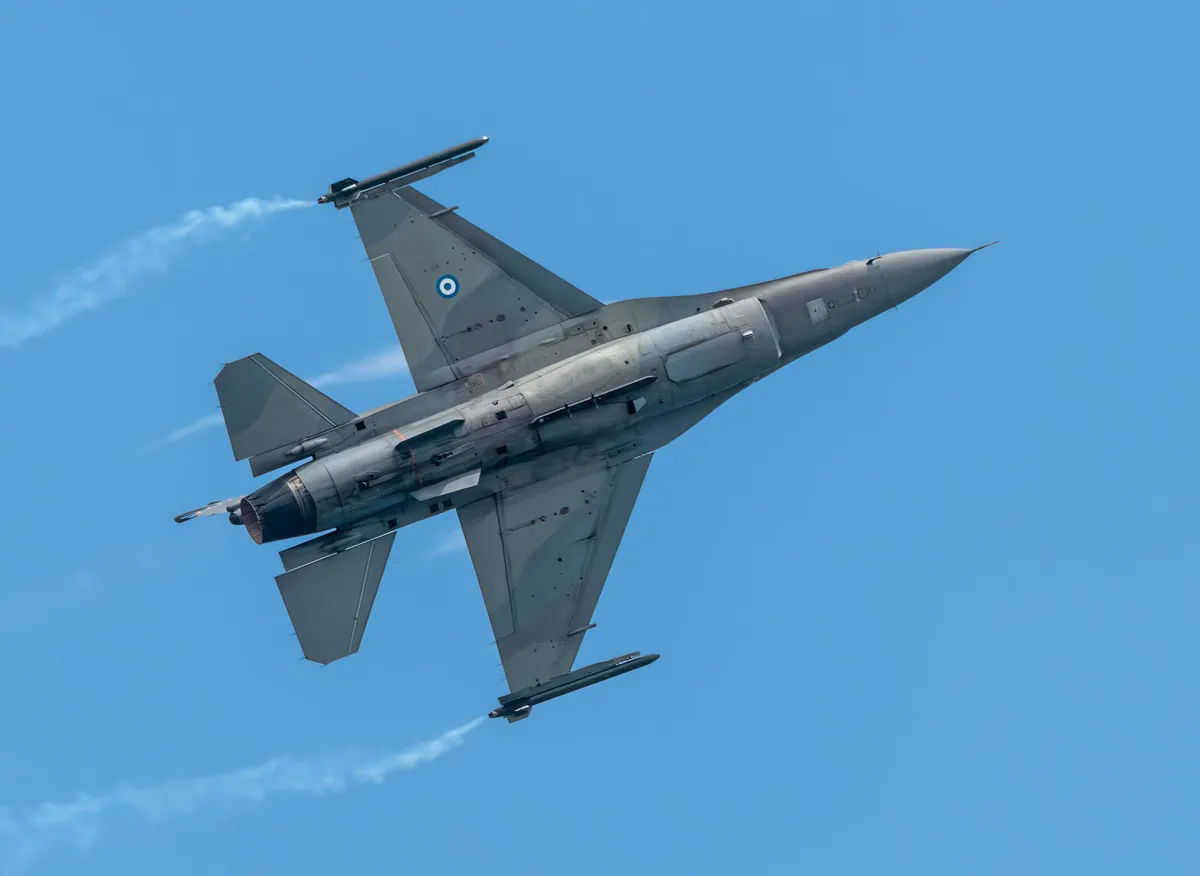
The annual Athens Flying Week took a dramatic turn when a twin-seat Phantom F4 jet from the Greek air force crashed during a low-altitude maneuver, igniting a fire that sent thick black smoke billowing into the sky. This incident unfolded in front of thousands of spectators, raising immediate concerns about safety protocols at aerial shows. Fortunately, initial reports indicate that no attendees were injured during this alarming event, which serves as a stark reminder of the inherent risks associated with aviation displays.
The crash occurred at the Tanagra air force base, located approximately 60 kilometers (about 40 miles) north of Athens, a venue known for hosting large-scale aviation exhibitions. As soon as the jet went down, rescue crews were dispatched to the scene; however, their efforts were hindered by the flames engulfing the crash site. This incident not only highlights the potential dangers of air shows but also calls into question the safety measures in place for both participants and spectators alike.
Understanding the Incident's Context
Air shows, celebrated for showcasing aerial acrobatics and military prowess, often attract large crowds eager for thrilling displays. Yet, the potential for accidents looms over such events. This particular crash during the Athens Flying Week serves to rekindle discussions about the safety protocols that govern air shows.
The Role of Safety Measures
Following incidents like this one, the focus often shifts towards existing safety measures and their effectiveness. Key considerations include:
- Aircraft Maintenance: Regular inspections and maintenance schedules are crucial for ensuring aircraft safety.
- Pilot Training: Adequate training and simulation for pilots can help mitigate risks during complex maneuvers.
- Emergency Response Planning: Effective evacuation plans and immediate response teams are essential for managing accidents.
- Public Awareness: Informing spectators about safety protocols can help manage crowd behavior in emergencies.

The Firefighting Response
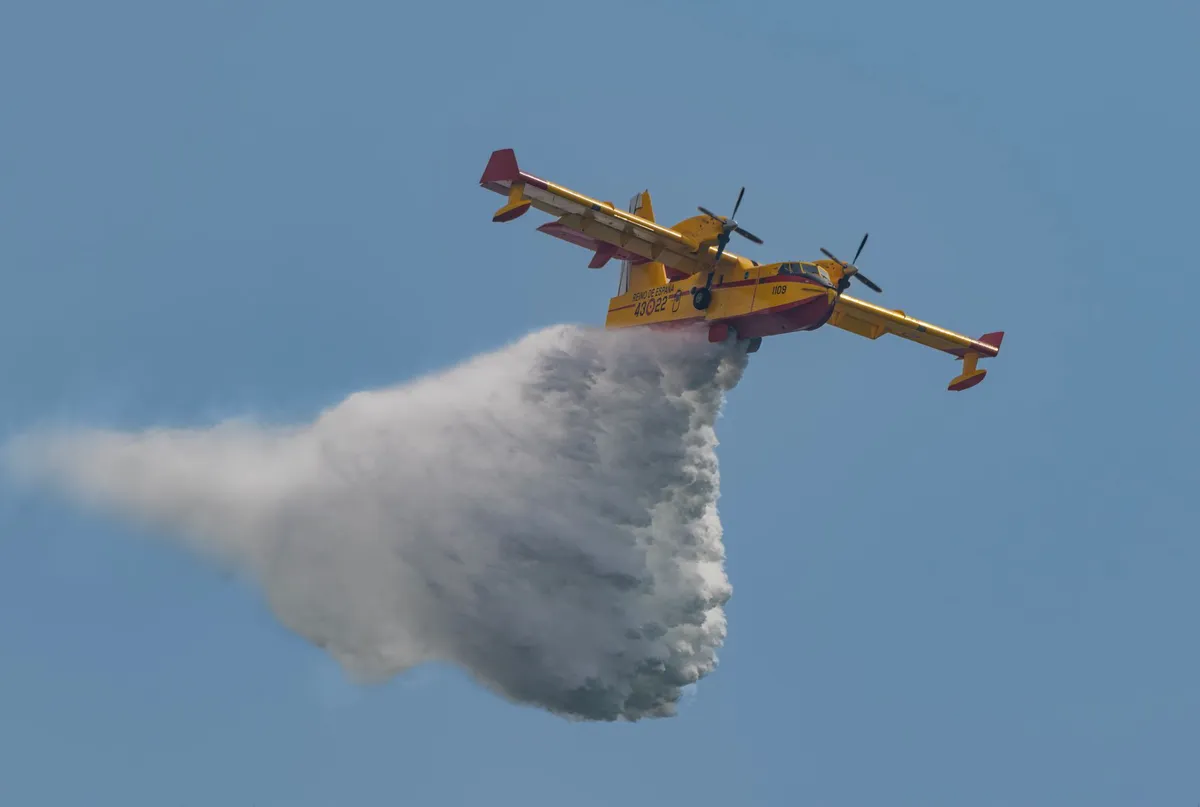
Firefighting efforts were promptly initiated, involving a significant response from local authorities. Eleven water-dropping aircraft, along with helicopters, supported the efforts of 85 firefighters on the ground. Their mission was to contain the blaze and prevent it from spreading further, especially given the proximity to the viewing area where spectators had gathered. The combination of aerial and ground support is vital in such scenarios, demonstrating the coordinated response necessary in crisis situations.
The Aftermath of the Crash
As the situation unfolded, air force officials remained tight-lipped regarding the conditions of the two airmen aboard the jet. The lack of immediate information can be distressing for both the families involved and the wider public, emphasizing the need for transparent communication in times of crisis. Investigations into the cause of the crash and the operational status of the aircraft will follow, as it is imperative to ascertain what went wrong to prevent future occurrences.
Impact on Future Air Shows
This incident is likely to have lasting implications for future aerial events. The aviation community, along with regulatory bodies, may need to reassess safety regulations and operational standards for air shows nationwide. Stricter guidelines and enhanced oversight could become necessary to reassure the public and participants alike. Such considerations may also extend to:
- Enhanced Regulation: Federal and state aviation authorities may implement stricter regulations for air shows.
- Increased Training Requirements: Pilots may face more rigorous training and certification processes.
- Public Safety Initiatives: Air show organizers may need to bolster safety measures for spectators.
Conclusion: The Need for Vigilance
The crash of the Greek air force jet at the Athens Flying Week serves as a sobering reminder of the potential dangers associated with aviation displays. While no injuries were reported among spectators, the incident underscores the importance of rigorous safety protocols, effective emergency responses, and continuous assessment of air show operations. As the investigation unfolds, it will be crucial for the aviation community and event organizers to prioritize safety to ensure the enjoyment of aerial exhibitions without compromising public welfare.
Key Takeaways
- The Greek air force jet crash at Athens Flying Week raised safety concerns.
- Fortunately, no injuries were reported among spectators during the incident.
- Firefighters and rescue crews faced challenges due to the fire from the crash.
- The incident highlights the need for rigorous safety measures at air shows.
- Future air shows may see stricter regulations and enhanced safety protocols.
Frequently Asked Questions
What caused the crash of the Greek air force jet?
As of now, the specific cause of the crash is still under investigation. Typically, such investigations look into multiple factors, including pilot error, mechanical failure, and weather conditions. The findings will be crucial in determining how to prevent similar incidents in the future.
Were there any injuries reported from the crash?
Fortunately, there were no reported injuries among the thousands of spectators attending the aerial show. This aspect is particularly fortunate, as it highlights the effectiveness of safety measures in place that kept the viewing area secure from the fire and debris resulting from the crash.
What safety measures are typically in place at air shows?
Air shows generally implement a range of safety protocols designed to protect both the participants and the spectators. These can include safety briefings for attendees, designated emergency response teams, and restrictions on where spectators can stand to keep them at a safe distance from the flight path.
How might this incident affect future air shows?
The crash is likely to prompt organizers and aviation authorities to re-evaluate safety regulations and operational standards for future air shows. We may see enhancements in pilot training, stricter aircraft maintenance protocols, and more comprehensive emergency response plans to ensure the safety of all involved.
Comments
Protecting Your Professional License: Key Risks and Strategies
For licensed professionals, safeguarding a career often hinges on maintaining their license. This article explores common threats to professional licenses and strategies for protection.

Related articles





Popular in Business Law
- Supreme Court Justices' Financial Disclosures: A Closer Look
- Vishal Garg's Leadership Fallout: The Rise and Fall of Better.com
- Former Intelligence Official Faces Penalty for Post-Government Misconduct
- Blank Rome Faces Lawsuit After Major Data Breach Exposes Personal Information
- Congress Faces Reckoning Over Member-Staff Relationships