Tribal Sovereignty and Land Development: The Battle Over Shiloh Site
The Koi Nation's pursuit of a casino complex in Sonoma County has sparked legal battles with the Federated Indians of Graton Rancheria and raised questions about tribal sovereignty and federal trust land approvals.
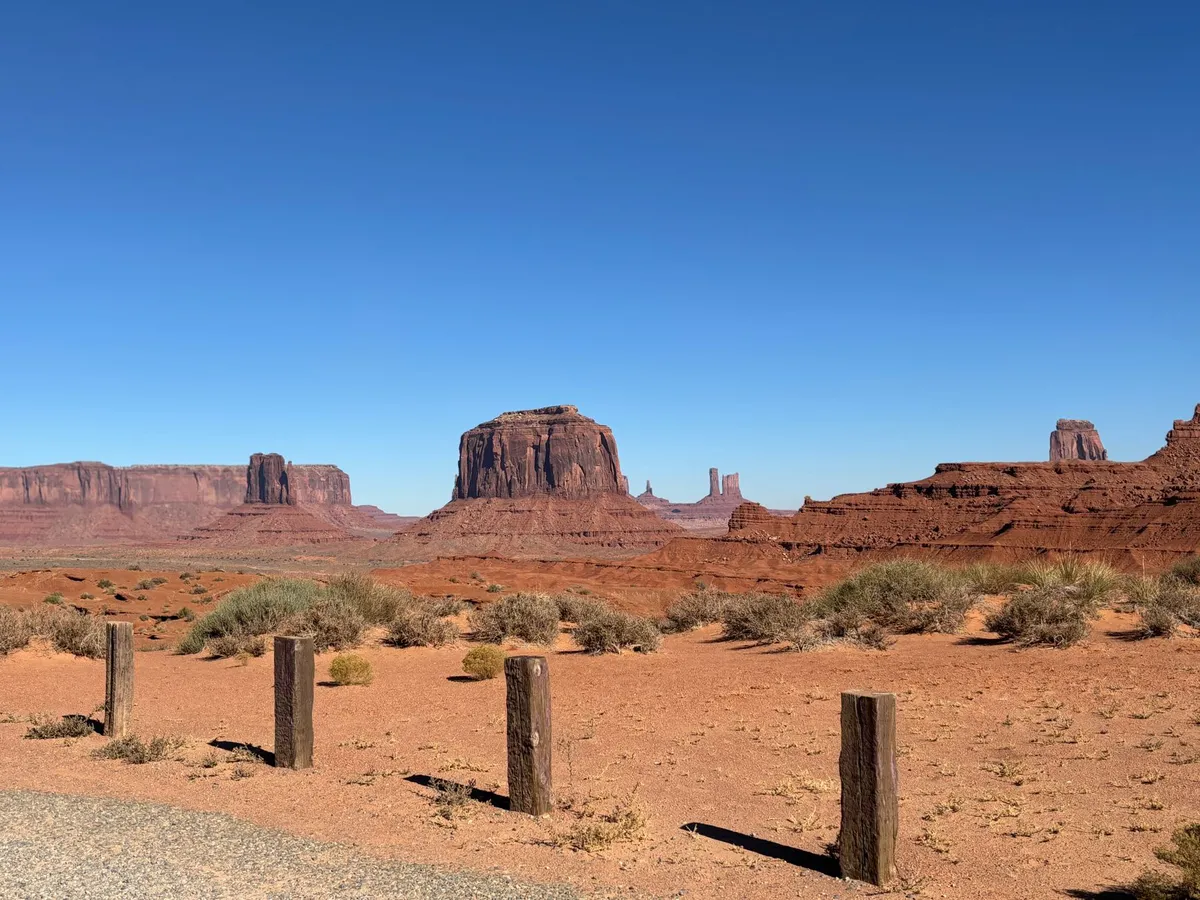
The ongoing legal battle regarding a 69-acre parcel of land in Sonoma County, California, has captured national attention as it highlights the intricate dynamics of tribal sovereignty, federal law, and local governance. In January 2025, the U.S. Department of the Interior placed this land—the Shiloh site—into trust for the Koi Nation of Northern California. This move was intended to facilitate the Koi Nation's plans to build a large casino complex, a venture that promises to bring economic development but has also ignited fierce legal disputes among local tribes.
At the heart of this conflict are the Federated Indians of Graton Rancheria, who contend that the decision to grant land trust status to the Koi Nation was fundamentally flawed. Their attorney, Neal Katyal, argued before a Ninth Circuit panel that the case should be remanded to the Interior Department for a thorough review, emphasizing the need for a high-ranking official to sign off on such a critical decision. The legal stakes are high, as they touch upon the broader principles of tribal rights, federal authority, and the potential for significant economic impacts on the region.
The Legal Framework of Tribal Sovereignty
Understanding the implications of this case requires a grasp of tribal sovereignty and the legal landscape surrounding land-into-trust transactions. Tribal sovereignty refers to the right of American Indian tribes to govern themselves and their lands. This status is recognized under federal law, which grants tribes a degree of autonomy to operate independently from state and local jurisdictions.
The process of placing land into trust involves the federal government holding land for the benefit of a tribe, thereby exempting it from state and local taxation and regulations. However, this process is not without controversy. Critics argue that it can lead to disputes over jurisdiction and governance, particularly when multiple tribes claim interests in the same territory.
The Shiloh Site: A Contested Ground
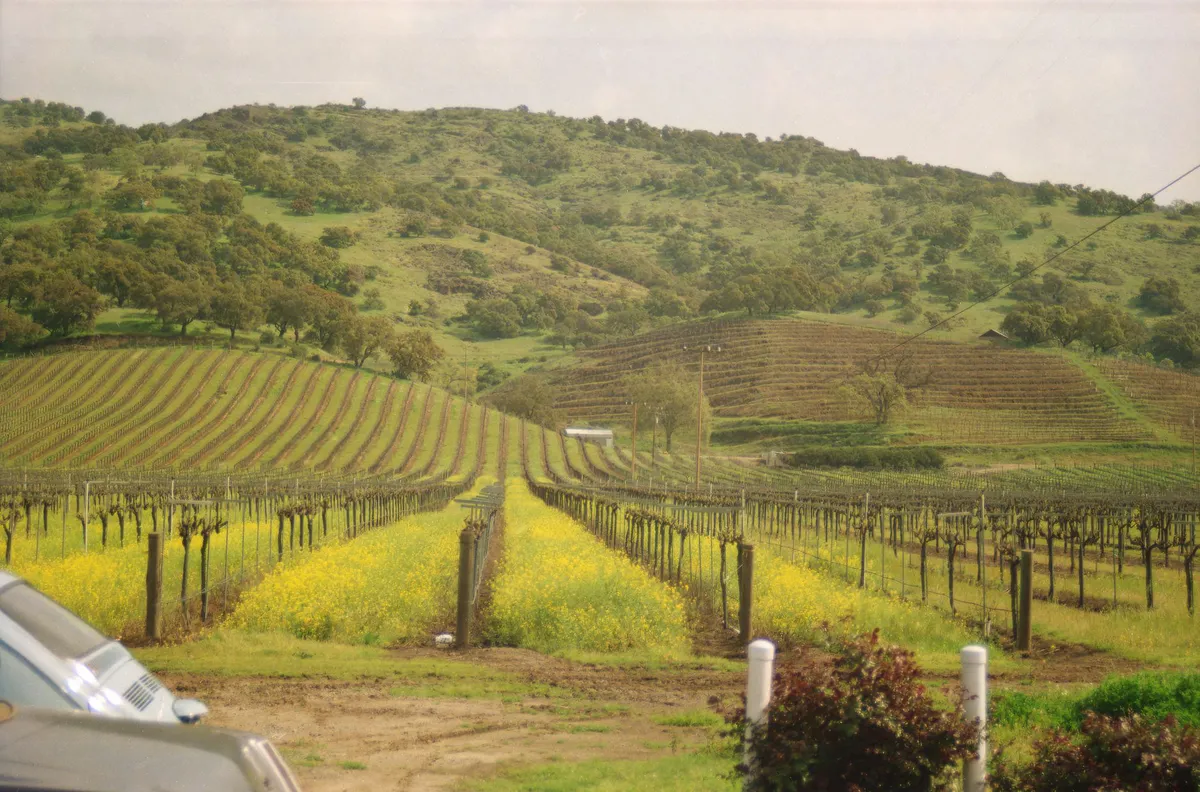
The Shiloh site, once owned by a winery, was purchased by the Koi Nation in 2021 with the intent of establishing a casino. The decision to place this land into trust was met with immediate pushback from the Graton Rancheria, which asserted that the Koi Nation's claim was unfounded and that the approval process was marred by legal missteps. U.S. District Judge Rita Lin found that the 2025 approval was signed by an official lacking the necessary legal authority, a ruling that suggests serious procedural deficiencies in the trust application.
This case is emblematic of the tensions that can arise when tribal entities pursue development in areas with overlapping claims or interests. Katyal's assertion that the Koi Nation’s rights were not irrevocably harmed because construction had not yet begun raises questions about the timing of legal challenges in such cases. He emphasized that the failure of the Graton Rancheria to secure a preliminary injunction indicated they did not perceive an immediate threat, which complicates their current legal standing.
The Role of the Federal Government
The federal government, represented by the Department of Justice, has defended its role in approving the trust status, arguing that such decisions are critical agency actions that must be respected. Attorney Daniel Halainen cautioned the court against setting a precedent that would allow any tribe to impose a veto over trust decisions across the board, which could lead to a chaotic legal landscape. This perspective underscores a fundamental tension: the balance between federal oversight and tribal independence.
The Public Rights Exception
During the Ninth Circuit hearings, Koi Nation attorney Hagan Scotten contended that the case should not have advanced under a public rights exception, which typically allows for legal actions that protect public interests such as environmental preservation. Scotten argued that the Graton Rancheria's actions threatened to undermine the Koi Nation's legal entitlements and sovereignty, which are fundamental rights under tribal law.
The concept of public rights in the context of tribal disputes is complex and often contested. It raises questions about the extent to which state and federal interests may encroach upon tribal governance and the preservation of tribal lands. The implications of this case could have ripple effects for future land trust approvals and the broader dialogue about tribal sovereignty.
Implications for Regional Development
The outcome of this legal battle is not just a matter of legal principle; it has direct implications for economic development in the region. The Koi Nation's proposed casino project is expected to generate substantial revenue and create jobs, which could benefit the local economy. However, the resistance from the Graton Rancheria highlights concerns about the equitable distribution of benefits and the potential for economic competition among tribes.
California Governor Gavin Newsom has also entered the fray, filing a separate lawsuit against the Interior Department over the approval of the Koi Nation's casino project. He argues that the federal government improperly determined that the Koi Nation had a “significant historical connection” to the Shiloh site, suggesting that the state has a vested interest in the outcome of this dispute.
Key Takeaways
- The Koi Nation's casino project is at the center of a legal dispute involving tribal sovereignty and federal trust land.
- Federated Indians of Graton Rancheria challenge the legality of the land trust approval process.
- Federal government actions play a critical role in determining the outcomes of tribal land disputes.
- Public rights exceptions complicate legal challenges in tribal sovereignty cases.
- Economic implications of the dispute could affect local job creation and revenue generation.
Frequently Asked Questions
What is the significance of placing land into trust for tribes?
Placing land into trust is a critical mechanism for Native American tribes, as it allows them to reclaim sovereignty over their lands and operate free from state and local regulations. This status can enhance economic development opportunities, enabling tribes to establish businesses such as casinos, which can generate revenue for community services and infrastructure. However, the process is complex and often contentious, as seen in the ongoing disputes like that surrounding the Koi Nation's proposed casino.
How do disputes over land trust status typically resolve?
Disputes over land trust status often involve litigation in federal court, as tribes may challenge the federal government's decisions or other tribes' claims to the same land. These cases can be lengthy and complex, requiring detailed legal arguments about tribal sovereignty, federal authority, and the rights of various parties involved. Outcomes may include remanding cases for further review, affirming trust status, or, in some instances, reversing prior approvals based on procedural errors.
What are the broader implications of this case for other tribes?
This case could set important precedents for how land trust applications are handled across the country. If the Ninth Circuit rules in favor of the Graton Rancheria, it may open the door for other tribes to challenge trust applications more aggressively, potentially leading to increased litigation and complicating the land acquisition process. Conversely, a ruling in favor of the Koi Nation could reinforce the federal government's authority to approve trust applications, impacting how tribes approach development projects in the future.
Can the state intervene in tribal disputes?
Yes, states can intervene in tribal disputes, particularly when they believe that their interests are affected. In this case, California Governor Gavin Newsom's lawsuit against the federal government illustrates how state authorities may seek to challenge federal decisions regarding tribal lands. This intervention can complicate legal proceedings and raises questions about the interplay between state and tribal sovereignty, often necessitating careful navigation of the legal landscape.
Comments
Vishal Garg's Leadership Fallout: The Rise and Fall of Better.com
Vishal Garg’s tumultuous tenure as CEO of Better.com has culminated in his removal from the position after a board vote, following a series of controversies that have plagued the mortgage company. This article examines the implications of his dismissal and the challenges facing Better.com in the volatile housing market.

Related articles


Popular in Business Law
- Supreme Court Justices' Financial Disclosures: A Closer Look
- Vishal Garg's Leadership Fallout: The Rise and Fall of Better.com
- Former Intelligence Official Faces Penalty for Post-Government Misconduct
- Blank Rome Faces Lawsuit After Major Data Breach Exposes Personal Information
- John Oliver vs. Buc-ee's: A Legal Showdown Over Mascots