California Legislative Session Wraps Up with Key Bills Passed
On the final day of California's legislative session, lawmakers passed several significant bills with bipartisan support, including measures to protect children online and reform parole laws for sex offenders.

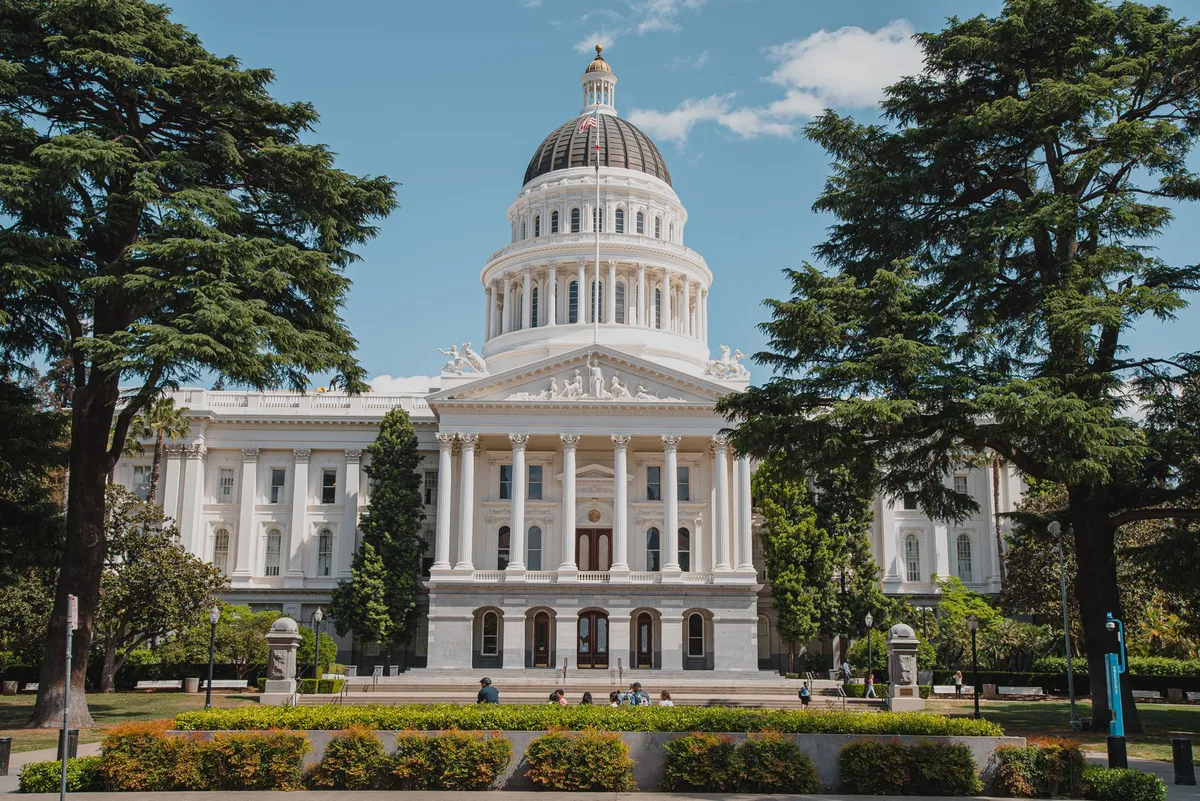
The California Legislature's final day of session is often a whirlwind of activity, and this year was no exception. Lawmakers rushed to finalize numerous bills that will shape policies affecting residents statewide. Among the most notable pieces of legislation were measures focused on protecting children from harmful online practices and reforming parole eligibility for certain offenders. With bipartisan support, these bills underscore a growing consensus on addressing pressing social issues.
Assembly Bill 1709, authored by Assemblymember Josh Lowenthal, received unanimous backing, passing 74-0 in the Assembly. This landmark legislation aims to prohibit social media platforms from implementing addictive features for users under the age of 16. Additionally, it establishes an e-Safety Advisory Commission, which will provide guidance to the California Attorney General on various online safety matters. Lowenthal remarked, “We’ve never done anything like this,” highlighting the bill's significance as it moves to Governor Gavin Newsom for final approval.
Legislation on Parole Reform
In a related effort to enhance public safety, Assembly Bill 2727, sponsored by Assemblymember Stephanie Nguyen, also passed with unanimous support. This bill seeks to modify the state's elderly parole program, mandating that individuals convicted of serious sexual offenses, such as rape, must be at least 65 years old and have served a minimum of 25 years before being eligible for parole. Assemblymember Tom Lackey commented on the balanced approach of the legislation, emphasizing the importance of rehabilitation while also voicing concerns for victims of such crimes.
Rehabilitation vs. Victim Rights
The ongoing debate surrounding rehabilitation versus victim rights is a focal point of discussions around parole reform. Many legislators argue that rehabilitation is essential for reducing recidivism rates, while others contend that victims' rights must remain a priority. Nguyen's bill illustrates a growing trend in California's criminal justice reform, which seeks to find a middle ground that acknowledges both the potential for rehabilitation and the need for public safety.

Controversial Measures and Their Implications
Not all legislation passed during the session was met with universal approval. Assembly Bill 2760, authored by Assemblymember LaShae Sharp-Collins, aims to ban law enforcement from using electroshock devices and prohibits the purchase of such devices with state funds. The bill emerged in response to the Department of Homeland Security's plan to allocate up to $20 million for electroshock gloves for federal immigration agents. Sharp-Collins, citing safety concerns, argued that the technology had not been adequately vetted.
Federal Oversight and State Authority
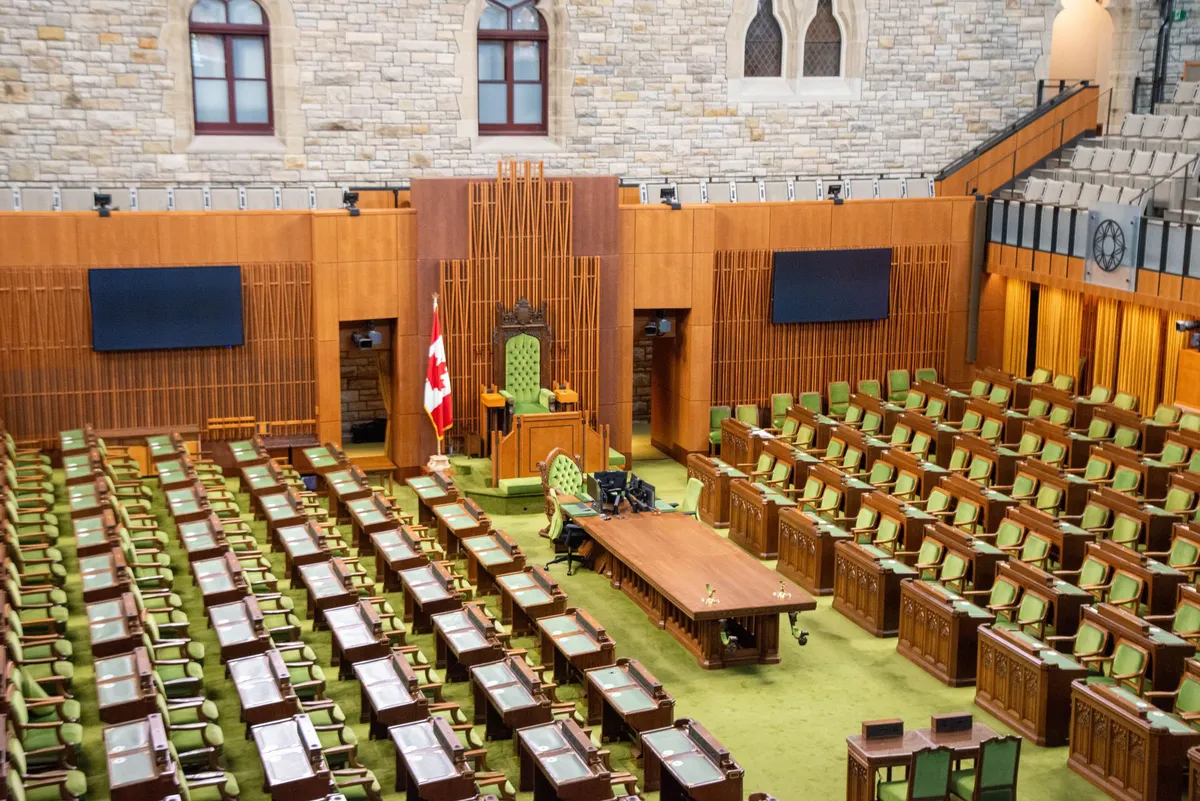
The introduction of AB 2760 has reignited discussions on the extent of state authority over federal law enforcement. Critics, including First Assistant U.S. Attorney Bill Essayli, argue that California lacks the jurisdiction to dictate the tools available to federal agents, asserting that such regulatory matters should fall under Congressional purview. The bill passed in the Assembly with a vote of 51-16 and now awaits the governor's signature, raising questions about its future viability in the face of potential federal pushback.
Innovations in Research Funding
Among the bills designed to bolster California's economy and innovation sector is Senate Bill 895, which proposes placing the California Science and Health Research Bond Act on the March 2028 ballot. Authored by Senator Scott Wiener, this measure would allow for $7.5 billion in bonds to fund various research initiatives and facilities. Supporters argue that investing in health and science research is crucial, particularly in the wake of budget cuts to relevant federal agencies during previous administrations.
Importance of Research Funding
California has long been a leader in technological and medical advancements, making adequate research funding imperative for sustaining its competitive edge. The passage of SB 895 promises to inject significant resources into the state's research community, potentially leading to groundbreaking developments in health and science. This funding could also generate jobs and stimulate economic growth across various sectors.
Other Noteworthy Bills
Several other bills gained traction during the session, reflecting the diverse range of issues that California lawmakers addressed. One such bill, Senate Bill 1392, known as Leno’s Law, passed its final legislative hurdle, allowing certain collector vehicles exempt from smog checks. This measure is particularly relevant for car enthusiasts and lowrider communities, as qualifying vehicles must be older than 1981 and driven less than 1,000 miles annually.
Balancing Environmental Concerns and Cultural Heritage
The enactment of Leno’s Law exemplifies the ongoing dialogue between environmental regulations and cultural traditions in California. As lawmakers strive to accommodate the interests of different communities, it becomes essential to find solutions that respect both public safety and the cultural significance of certain vehicles.

Key Takeaways
- Assembly Bill 1709: Unanimous support for legislation protecting children from addictive social media features.
- Parole Reform: New eligibility requirements for sexual offenders under Assembly Bill 2727.
- Electroshock Device Ban: Assembly Bill 2760 aims to prohibit law enforcement from using electroshock devices.
- Research Bond Act: Senate Bill 895 proposes significant funding for California's health and science research initiatives.
- Leno’s Law: Exemption for collector vehicles from smog checks passed in the Senate.
Frequently Asked Questions
What is Assembly Bill 1709 and why is it significant?
Assembly Bill 1709 seeks to protect children under the age of 16 from the addictive features commonly found on social media platforms. This bill, which has garnered bipartisan support, aims to create a safer online environment for minors and establish an advisory commission to address ongoing concerns about online safety. Its significance lies in the growing recognition of the need to regulate digital spaces to protect vulnerable populations.
How does Assembly Bill 2727 change parole eligibility for offenders?
Assembly Bill 2727 modifies the conditions under which elderly individuals convicted of certain sexual offenses can be considered for parole. Previously, individuals could qualify for parole once they reached 50 years old after serving 20 years. The new bill stipulates that offenders must be at least 65 years old and have served a minimum of 25 years. This change reflects a shift towards prioritizing the rights of victims while still allowing for the possibility of rehabilitation.
What are the implications of Assembly Bill 2760?
This legislation intends to prohibit law enforcement agencies from using electroshock devices, responding to public concerns about their safety and efficacy. The bill’s passage may lead to significant implications for law enforcement practices in California and could spark legal challenges regarding the extent of state authority over federal enforcement tools.
How will Senate Bill 895 impact California's research sector?
Senate Bill 895 proposes to put a bond measure on the ballot to generate substantial funding for health and science research in California. If approved, it would allocate $7.5 billion for grants and loans to support research initiatives. This funding is crucial for maintaining California's leadership in innovation and addressing pressing health challenges.
Comments
Record $146.8 Million in Attorney Fees Following Landmark Verdict Against Google
A recent ruling awarded attorneys a staggering $146.8 million in fees after a pivotal verdict against Google. This case highlights the complexities of legal fees in high-stakes litigation and the implications for future tech lawsuits.

Related articles


Popular in Business Law
- Blank Rome Faces Lawsuit After Major Data Breach Exposes Personal Information
- Mexico's New AI Robots: A Step Towards Enhanced Public Security?
- Colorado Town's Residents Fight Against Abandonment Petition Amid Crisis
- Ex-Dean of University of Colorado Law School Runs for Governor
- Ohio Governor Signs Landmark Bill Against Foreign Litigation Funding