The NCAA Eligibility Suit: A Deep Dive into Legal Conduct and Implications
Recent emails from BigLaw attorneys in a high-profile NCAA eligibility case reveal unprofessional language and potential ethical concerns. This article explores the ramifications of such conduct within the legal field and its impact on the NCAA.
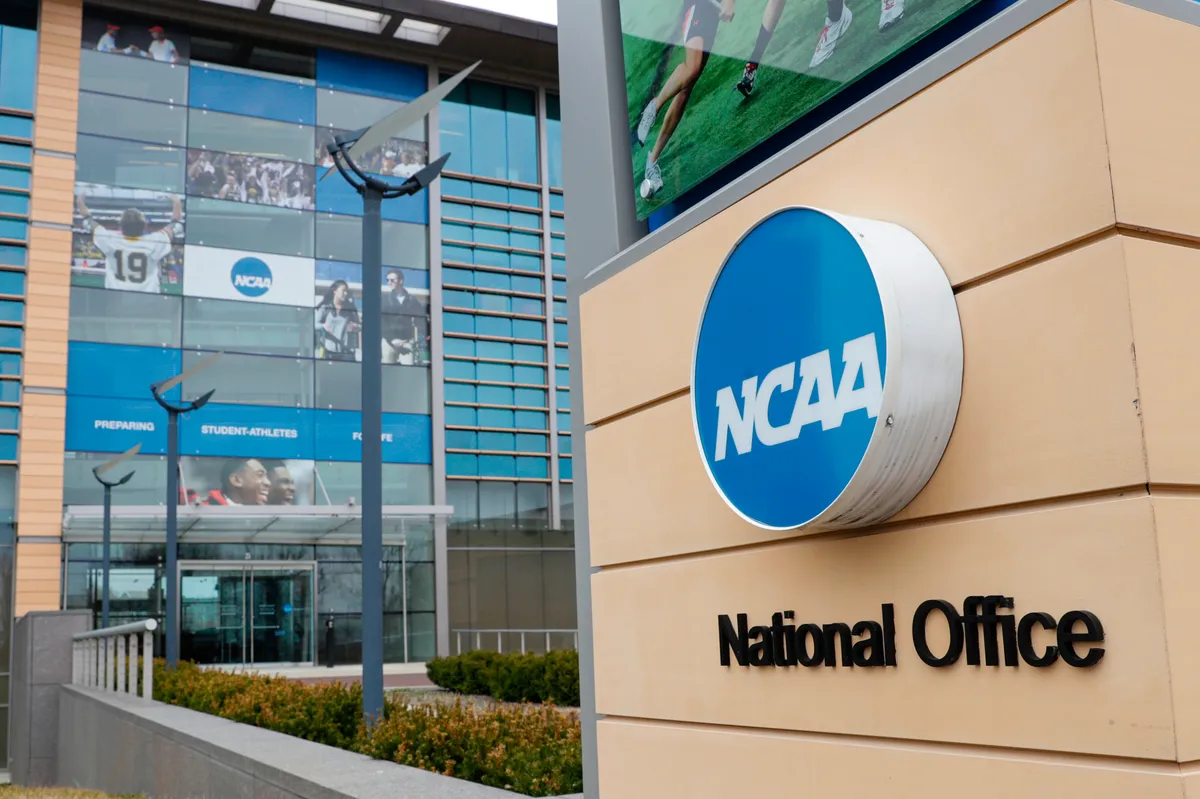
In a surprising turn of events in the ongoing NCAA eligibility lawsuit, emails exchanged between attorneys from a prominent BigLaw firm have surfaced, revealing a concerning lack of professionalism. Phrases like 'dumb judge' and other disparaging remarks about opponents have raised eyebrows not only within the legal community but also among stakeholders in collegiate athletics. This situation has opened up discussions about legal ethics, professional conduct, and the broader implications for the NCAA and its regulations.
As the case unfolds, it becomes increasingly clear that the actions of these attorneys could have significant repercussions, not just for the individuals involved but for the integrity of the legal proceedings as a whole. The ramifications of such conduct can influence public perception, affect the credibility of the legal profession, and even impact the outcome of the case.
Understanding the NCAA Eligibility Suit
The NCAA eligibility lawsuit centers around the association's guidelines and their enforcement, particularly regarding the eligibility of student-athletes. As the governing body for collegiate sports in the United States, the NCAA is tasked with ensuring fair play and maintaining the integrity of its competitions. However, its rules have often been criticized for being overly restrictive and not accommodating the evolving landscape of college athletics.
The Role of BigLaw in High-Stakes Litigation
In high-profile cases like this, major law firms, often referred to as BigLaw, play a pivotal role. These firms typically have extensive resources, deep legal expertise, and a reputation to uphold. The stakes are high not just for their clients but also for their own credibility. When lawyers from these firms engage in unprofessional behavior, it can lead to broader implications.

Legal Ethics and Professional Conduct
Legal ethics are a cornerstone of the profession, guiding attorneys in their duties to clients, courts, and the public. The American Bar Association (ABA) outlines these ethical standards, which include respect for the judiciary and opposing counsel. The recent revelations about the derogatory language used by attorneys in this case raise questions about their adherence to these principles.
Potential Consequences of Unprofessional Conduct
When lawyers engage in name-calling or disparaging remarks, it can undermine the integrity of the legal proceedings. Potential consequences include:
- Sanctions: Courts can impose sanctions on attorneys for unprofessional conduct, which may include fines or even disqualification from the case.
- Damage to Reputation: Law firms risk losing credibility and clients if their attorneys are viewed as unprofessional.
- Impacts on Case Outcomes: Jurors and judges may be influenced by the behavior of attorneys, potentially affecting their decisions.
The Broader Impact on the NCAA and Collegiate Athletics
The NCAA is already under scrutiny for its handling of eligibility issues and how it enforces rules. The fallout from this lawsuit, particularly the conduct of the lawyers involved, could exacerbate existing tensions. Stakeholders in collegiate athletics, including coaches, athletes, and universities, are watching closely, as the outcome could reshape policies and practices within the NCAA.
The Importance of Maintaining Professionalism
For the legal profession, the need for professionalism is paramount. As attorneys navigate complex cases, they must remember that their conduct not only reflects on themselves but also on their firms and the legal system as a whole. Upholding ethical standards is essential for maintaining the public's trust in the judiciary.

Key Takeaways
- The NCAA eligibility lawsuit has exposed unprofessional conduct among BigLaw attorneys.
- Legal ethics play a crucial role in maintaining the integrity of the legal profession.
- Unprofessional behavior can lead to serious consequences for attorneys and their firms.
- The outcome of this case could have significant implications for the NCAA and collegiate athletics.
Frequently Asked Questions
What are the ethical standards for lawyers involved in litigation?
Lawyers are obligated to adhere to a set of ethical standards that include maintaining respect for the court and opposing counsel, avoiding frivolous claims, and acting with integrity. Violations of these standards can result in disciplinary action from state bar associations, including fines, suspension, or disbarment.
How can unprofessional conduct impact a legal case?
Unprofessional conduct can influence the perception of juries and judges, potentially swaying their decisions. Additionally, it can lead to sanctions from the court, which can affect the overall strategy of a case and the reputation of the attorneys involved.
What does this mean for the NCAA and its future?
The NCAA is already facing challenges regarding its eligibility rules and enforcement practices. The negative attention from this lawsuit, especially regarding attorney conduct, may prompt a reevaluation of its policies and procedures to ensure fairness and transparency in collegiate athletics.
What should attorneys do to maintain professionalism?
Attorneys should prioritize professionalism in all interactions, from communication with clients to courtroom behavior. This includes refraining from derogatory remarks, being respectful to all parties involved, and focusing on the legal merits of their cases instead of personal attacks.
Disclaimer: This content is general information, not legal advice.
Comments
California Legislative Session Wraps Up with Key Bills Passed
On the final day of California's legislative session, lawmakers passed several significant bills with bipartisan support, including measures to protect children online and reform parole laws for sex offenders.
Related articles

Popular in Business Law
- Blank Rome Faces Lawsuit After Major Data Breach Exposes Personal Information
- Mexico's New AI Robots: A Step Towards Enhanced Public Security?
- Colorado Town's Residents Fight Against Abandonment Petition Amid Crisis
- Ex-Dean of University of Colorado Law School Runs for Governor
- Ohio Governor Signs Landmark Bill Against Foreign Litigation Funding