The Transformation of the White House Rose Garden: A New Era of Statues
President Trump’s recent renovations to the White House Rose Garden have sparked significant discussion. With the introduction of statues and a stone patio, the historic space is now a reflection of Trump's vision and aesthetic choices.

The White House Rose Garden, long celebrated as a symbol of American beauty and tranquility, has recently undergone a controversial transformation under President Donald Trump. Instead of cultivating new roses, the iconic garden is now adorned with statues of some of America's founding figures, signaling a shift in its historical and cultural significance. This renovation aligns with Trump's broader agenda of reimagining presidential spaces and reflects his distinctive aesthetic vision.
Trump's renovation journey began with the replacement of the lush lawn with a stark white stone patio, reminiscent of the landscaping at his Mar-a-Lago estate in Florida. This change has been accompanied by the installation of statues depicting prominent historical figures, including George Washington, Alexander Hamilton, Ben Franklin, and most recently, a bronze statue of Thomas Jefferson signing the Declaration of Independence. The addition of these statues not only alters the garden's ambiance but also raises questions about the narrative and historical context they represent.
The New Aesthetic: Statues and Symbolism
The decision to populate the Rose Garden with statues is a clear departure from its traditional floral focus. Trump's administration has championed this initiative as part of a larger aesthetic overhaul of the White House, which also includes various renovations to the Oval Office and other areas adjacent to the executive mansion. The choice of figures, particularly those who played crucial roles in the founding of the United States, speaks to a desire to emphasize America's historical lineage and the values these figures embodied.
Recent Additions and Their Impact
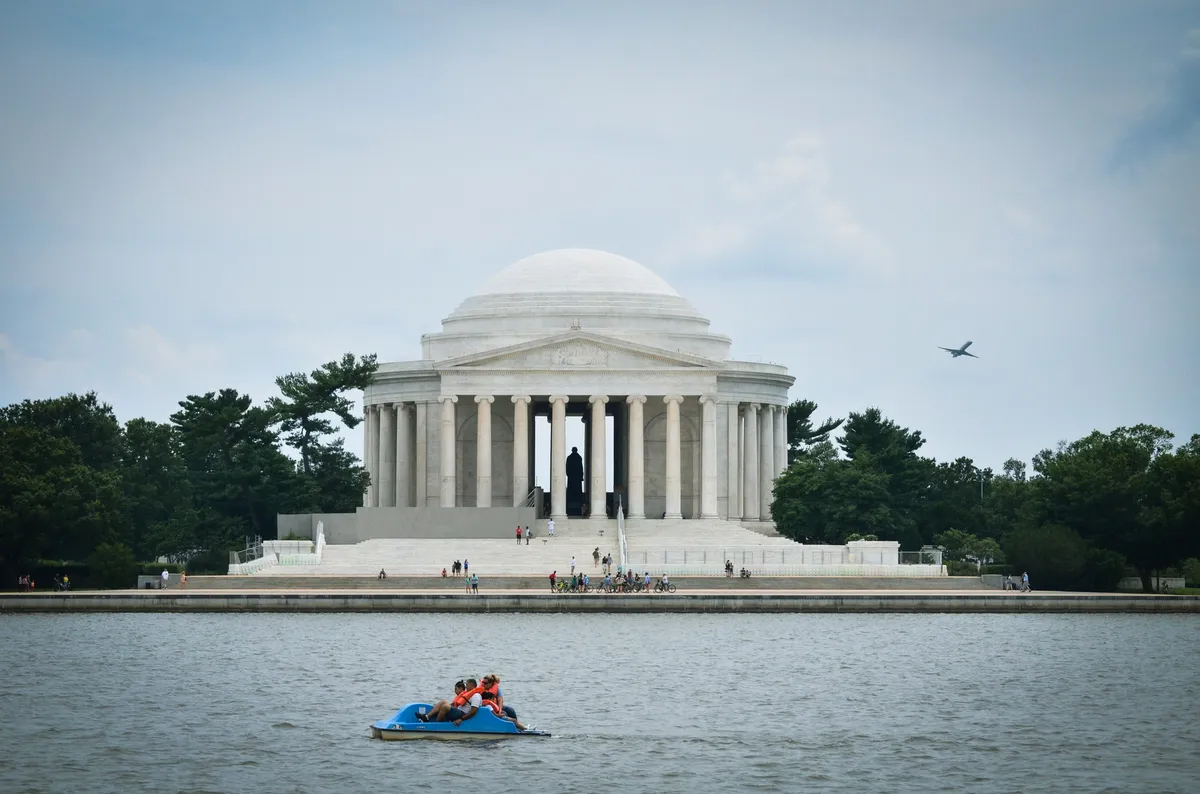
The latest addition to the Rose Garden is a statue of Thomas Jefferson, crafted by sculptor George Lundeen. This piece was intended to be a part of the Independence Day celebrations marking America's 250th birthday. However, due to logistical delays, it arrived later than anticipated. Lundeen's dedication to showcasing Jefferson in a moment of historical significance resonates with Trump's goal of celebrating American heritage through physical representation.
Other statues, such as those of Washington and Hamilton, have their own stories. The Washington statue is on loan from Texas real estate mogul Harlan Crow, while the Franklin and Hamilton statues come from anonymous donors. Such contributions reflect the intertwining of personal histories and public spaces, as well as the ongoing dialogue about whom we honor in national spaces.
Beyond the Rose Garden: A Broader Vision
Trump's ambitions extend beyond the Rose Garden. He has announced plans for a National Garden of American Heroes, which aims to feature statues of 250 influential figures in American history. This initiative has faced legal challenges from cultural heritage organizations, arguing that congressional approval is necessary for such a project to proceed. Nevertheless, it illustrates Trump's commitment to shaping public spaces in ways that reflect his administration's values.
The Role of Art in the White House
The White House has historically served as a gallery of American art, with presidents curating collections that reflect their tastes and values. Trump's tenure has continued this tradition, with an emphasis on showcasing artworks that resonate with his vision of American identity. Previous first ladies, such as Michelle Obama, have also made significant contributions to the White House art collection, underlining the evolving narrative of what the White House represents.
- Trump's renovation includes a white stone patio.
- Statues of historical figures symbolize a shift in the garden's focus.
- The National Garden of American Heroes is part of a broader initiative.
- Legal challenges may impact the future of new monuments.
Public Reception and Cultural Significance
The reception of these changes has been mixed. Supporters argue that the new statues and renovations infuse the White House with a sense of pride and historical reflection, while critics contend that they reflect a troubling trend of reinterpreting American history through a selective lens. The decision to emphasize certain figures while potentially sidelining others invites ongoing debate about inclusivity and representation in national monuments.
Trump’s Personal Touch
Trump's personal involvement in these changes is notable, as he has expressed a desire to leave a lasting legacy on the White House and its surroundings. His administration's spokesperson emphasized that no other president has undertaken as extensive a beautification effort during their tenure. This assertion puts Trump in a unique position within the historical context of presidential renovations, as previous leaders have also sought to imprint their vision on this iconic space.
Key Takeaways
- The White House Rose Garden has been transformed with statues of American founders.
- Trump's renovations reflect a personal and political vision for public spaces.
- The National Garden of American Heroes is facing legal challenges, highlighting the complexities of cultural representation.
- The renovation has sparked debate over historical interpretation and inclusivity.
Frequently Asked Questions
What prompted the renovations in the Rose Garden?
The renovations in the Rose Garden were part of President Trump’s broader initiative to beautify the White House and its surroundings. This included replacing the traditional lawn with a stone patio and adding statues that reflect his vision of American history. The changes aim to celebrate significant figures in U.S. history while creating a space that aligns more closely with Trump’s personal style.
Who are the figures represented in the new statues?
The new statues in the Rose Garden include prominent founders such as George Washington, Thomas Jefferson, Alexander Hamilton, and Benjamin Franklin. Each statue was either gifted or loaned, highlighting a blend of personal contributions and public recognition of these historical figures. The selection emphasizes the values and ideals that these individuals are associated with in American history.
What is the National Garden of American Heroes?
The National Garden of American Heroes is a proposed project that aims to create a space featuring statues of 250 influential figures in American history. This initiative has faced legal challenges, with some arguing that it requires congressional authorization before proceeding. The garden symbolizes Trump's vision of honoring those who have made significant contributions to the nation, though its implementation remains uncertain due to ongoing litigation.
How does this renovation compare to previous administrations?
Every U.S. president has left their mark on the White House, often through renovations, art selection, and landscaping. Trump's approach, however, has been characterized by a pronounced emphasis on historical figures and a more personal aesthetic, which contrasts with the more subtle renovations of past administrations. This focus on prominent statues and a bold aesthetic vision has sparked both admiration and criticism, reflecting the polarized nature of contemporary American politics.
Disclaimer: This content is general information and not legal advice.
Comments
Serena Williams and Carlos Alcaraz Unleash Power in U.S. Open Mixed Doubles
Serena Williams makes her highly anticipated return to the U.S. Open, partnering with Carlos Alcaraz in the mixed doubles. This dynamic duo aims to captivate fans as they take on the competition in New York.

Related articles



Popular in Business Law
- Supreme Court Justices' Financial Disclosures: A Closer Look
- Vishal Garg's Leadership Fallout: The Rise and Fall of Better.com
- Former Intelligence Official Faces Penalty for Post-Government Misconduct
- Blank Rome Faces Lawsuit After Major Data Breach Exposes Personal Information
- Congress Faces Reckoning Over Member-Staff Relationships