Judge's DWI Guilty Plea Highlights Accountability in the Judiciary
A judge's recent guilty plea for driving while intoxicated raises questions about accountability in the legal system. This incident sheds light on the consequences judges face for misconduct and the broader implications for public trust.
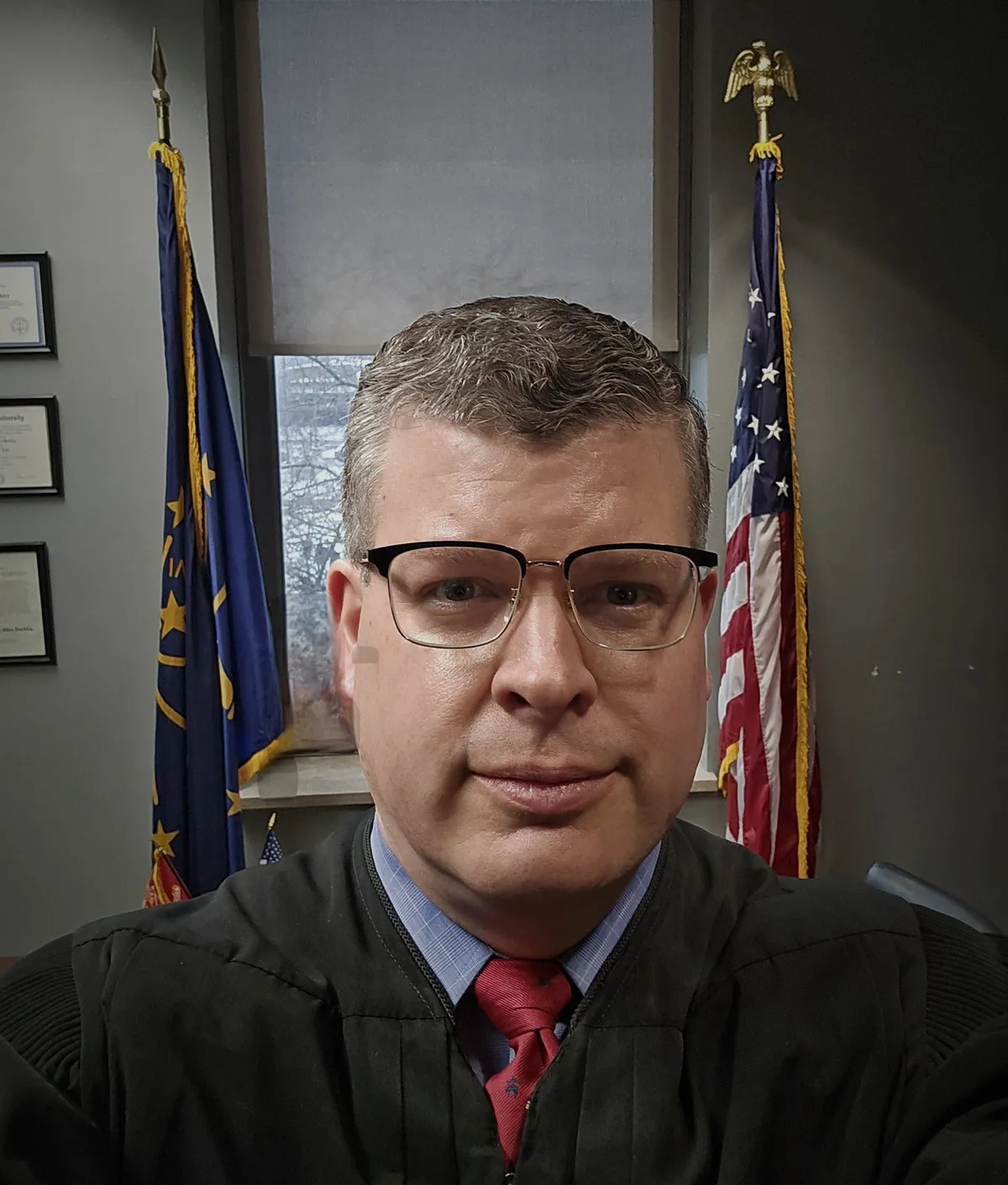
In a striking reminder of accountability within the legal profession, a judge has pleaded guilty to charges of driving while intoxicated (DWI). This incident, which has captured the attention of legal communities and the public alike, not only holds significant implications for the individual involved but also raises critical questions about the standards of conduct expected from those who uphold the law. The judge's swift admission of guilt underscores the importance of personal responsibility and the potential consequences of misconduct, even at the highest levels of the judiciary.
Driving under the influence remains a serious offense across the United States, leading to legal repercussions that can include hefty fines, license suspension, and even jail time. However, when a figure such as a judge is caught in such a scenario, the ramifications extend beyond personal consequences, impacting public perception of the judicial system as a whole.
The Impact of Judicial Misconduct
The integrity of the judiciary is foundational to the rule of law. Judges are expected to serve as paragons of virtue, consistently demonstrating ethical behavior that upholds the law they interpret and enforce. When a judge engages in misconduct, it can undermine public trust in the entire legal system. Here are some key points regarding the impact of judicial misconduct:
- Public Trust Erosion: The public relies on judges to act fairly and justly. Misconduct can diminish confidence in courtroom decisions.
- Precedent for Accountability: A judge's admission of guilt can serve as an important precedent, reinforcing that no one is above the law.
- Potential for Disciplinary Action: Judges may face disciplinary measures from judicial conduct boards, which can include suspension or removal from the bench.
- Media Scrutiny: High-profile cases involving judges often attract significant media attention, amplifying the impact of the incident.
Understanding DWI Laws and Penalties
Driving while intoxicated laws vary by state, but the core principles remain constant: operating a vehicle with a blood alcohol concentration (BAC) above a certain threshold is illegal, and penalties can be severe. In most states, a BAC of 0.08% or higher is considered driving under the influence.
Consequences of a DWI Charge
For individuals charged with DWI, consequences can include:
- **Fines:** Ranging from hundreds to thousands of dollars, depending on the state and whether it is a first or repeat offense.
- **License Suspension:** Most states impose a suspension of driving privileges, which can range from a few months to several years.
- **Jail Time:** First-time offenders may face a few days to months in jail, while repeat offenders can face significant prison sentences.
- **Mandatory Programs:** Offenders may also be required to attend alcohol education or treatment programs.

Judicial Response and Public Perception
When judges face charges such as DWI, the legal community scrutinizes both the incident and the judicial response. The judge's immediate acceptance of responsibility can be viewed positively, suggesting a commitment to accountability. However, it also raises questions about the measures in place to prevent such behavior in the first place.
Factors Influencing Judicial Misconduct
Several factors contribute to instances of judicial misconduct, including:
- **Personal Stress:** Judges often work under significant pressure, which can lead to poor decision-making and substance abuse.
- **Isolation:** The nature of judicial work can be isolating, potentially leading to unhealthy coping mechanisms.
- **Lack of Oversight:** In some jurisdictions, there may be inadequate oversight of judicial behavior, allowing misconduct to go unchecked.

Moving Forward: Rebuilding Trust in the Judiciary
Rebuilding public trust following a DWI incident involving a judge requires transparency and systemic change. Judicial conduct boards must take decisive action to address misconduct, ensuring that accountability measures are not only in place but actively enforced.
Best Practices for Judicial Accountability
To enhance public confidence in the judiciary, several best practices can be adopted:
- **Regular Ethics Training:** Judges should receive ongoing training on ethical behavior and the importance of maintaining public trust.
- **Transparent Investigations:** Making the outcomes of misconduct investigations public can demonstrate accountability.
- **Support Systems:** Creating support networks for judges can help them manage stress and avoid substance abuse.

Key Takeaways
- Judicial accountability is crucial for maintaining public trust in the legal system.
- Driving while intoxicated carries serious legal consequences, regardless of one’s position.
- Immediate acceptance of responsibility by judges can positively impact public perception.
- Systemic changes are needed to prevent future instances of judicial misconduct.
Frequently Asked Questions
What happens to a judge after a DWI charge?
After a judge is charged with DWI, the outcome can vary significantly based on the jurisdiction and the specifics of the case. Typically, the judge may face legal penalties similar to those of any citizen, including fines, license suspension, and potential jail time. Additionally, they may be subject to disciplinary actions from judicial conduct boards, which can include suspension or removal from the bench depending on the severity of the offense and whether it is a repeat incident.
How does a DWI affect a judge's career?
A DWI charge can have profound implications for a judge's career. Beyond the immediate legal consequences, the incident may lead to long-term damage to their reputation, affecting their standing within the legal community and their ability to serve effectively. A judge's credibility is paramount, and a DWI charge can severely undermine the trust placed in them by the public and their peers.
Are judges held to a higher standard than regular citizens?
Yes, judges are generally held to a higher ethical standard than ordinary citizens due to their role in the legal system. They are expected to embody the principles of justice and fairness, making their conduct subject to greater scrutiny. Misconduct by a judge not only affects their personal life but can also have broader implications for the judicial system, leading to calls for increased accountability and transparency.
What steps can be taken to prevent judicial misconduct?
Preventing judicial misconduct requires a multi-faceted approach. This can include implementing regular ethics training for judges, establishing clear reporting mechanisms for misconduct, and creating supportive environments that address the stressors judges face. Additionally, fostering a culture of accountability and transparency within the judiciary can help deter potential misconduct and restore public trust.
Comments
Navigating Legal Advertising Compliance: Insights from Dallas Agencies
As the legal market becomes increasingly competitive, law firms must balance persuasive advertising with strict compliance regulations. Discover how Dallas ad agencies help firms navigate these challenges while maintaining ethical standards.
Related articles




Popular in Business Law
- Supreme Court Justices' Financial Disclosures: A Closer Look
- Vishal Garg's Leadership Fallout: The Rise and Fall of Better.com
- Former Intelligence Official Faces Penalty for Post-Government Misconduct
- Blank Rome Faces Lawsuit After Major Data Breach Exposes Personal Information
- Congress Faces Reckoning Over Member-Staff Relationships