US Aircraft Carrier Absence in Asia: Implications for Regional Security
As the US shifts its military focus from the Pacific to the Middle East, the departure of the USS George Washington leaves a gap in American naval presence. This development raises significant concerns about regional security amid rising Chinese aggression.
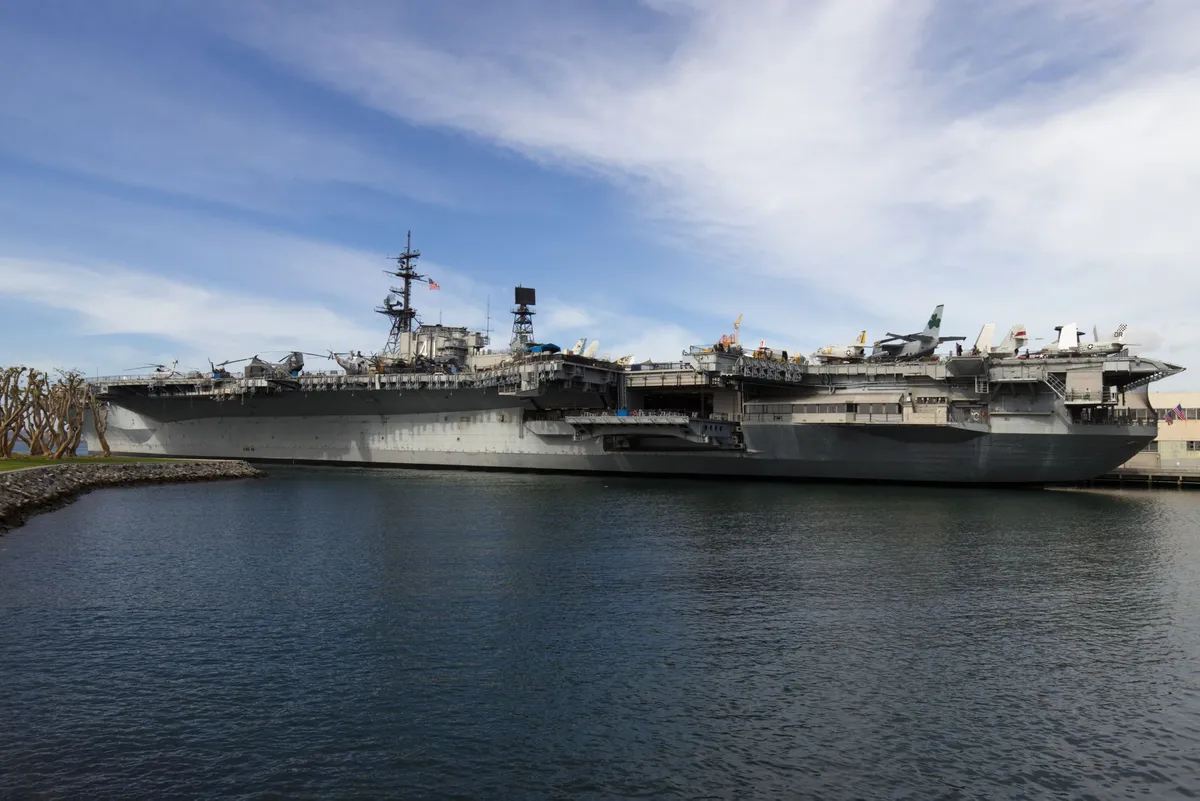
In a strategic move that could redefine military presence in the Asia-Pacific region, the USS George Washington is departing for the Middle East, leaving the Pacific without a U.S. aircraft carrier. This shift comes amidst ongoing tensions with Iran and increasing signs of aggression from China, raising alarms about the implications for U.S. allies in the region. As President Trump’s administration reallocates its military resources, analysts are questioning the potential fallout from this absence and what it signifies about U.S. priorities in an increasingly complex geopolitical landscape.
The decision to send the USS George Washington to the Middle East to replace the USS Abraham Lincoln has raised concerns regarding the mental health of sailors and the operational readiness of U.S. naval forces. The Lincoln, already deployed longer than planned, underscores the strain on military resources as the U.S. continues to engage in open-ended operations against Iran. This pattern of overextension could have severe repercussions not only for U.S. military personnel but also for regional security in Asia.
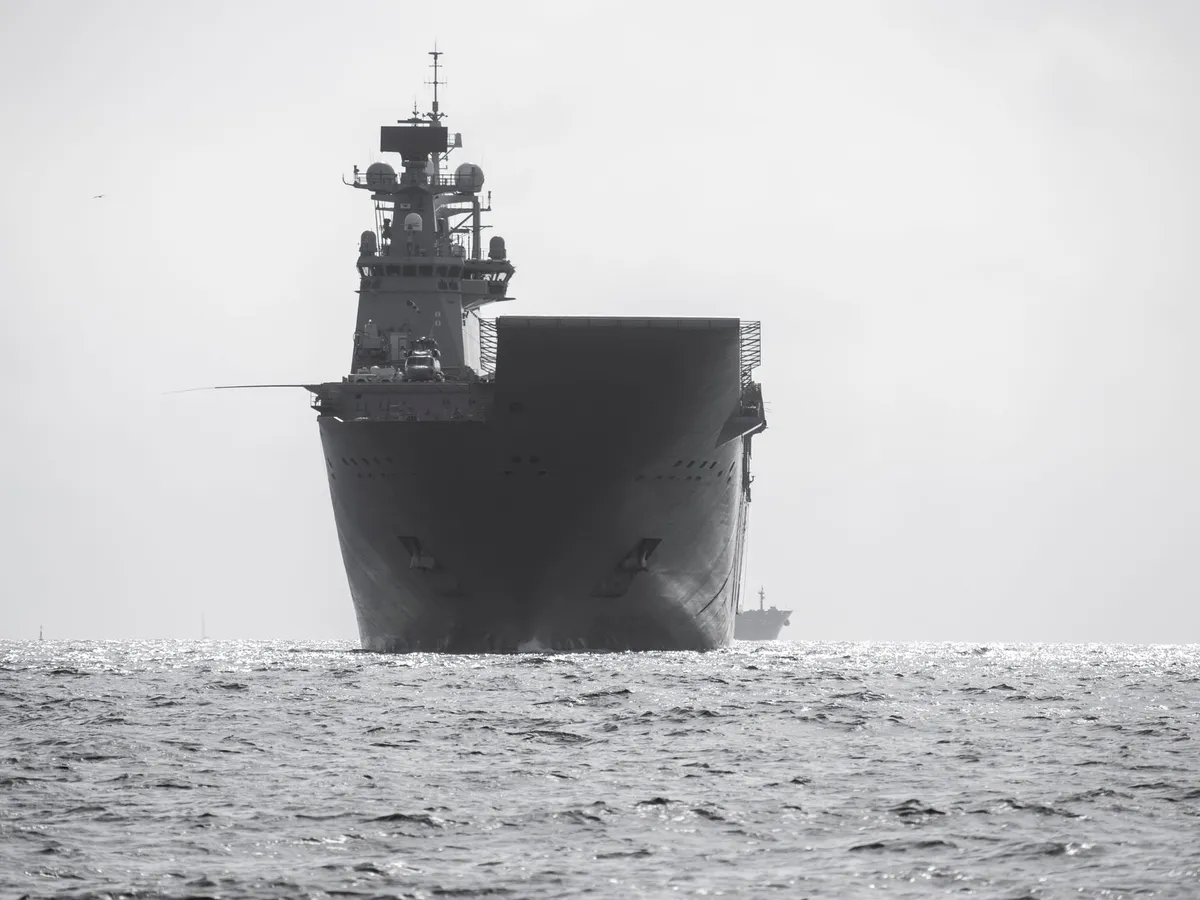
The Departure of the USS George Washington
The USS George Washington's repositioning comes as the United States faces growing challenges in balancing its military commitments. The carrier is expected to bolster U.S. operations in the Middle East, which have been extended due to the ongoing tensions with Iran. This transfer highlights a significant shift in American military focus, which has left the Pacific region momentarily without a vital asset.
Operational Strain on U.S. Forces
With the absence of a carrier in the Pacific, analysts express concern regarding the operational strain on remaining U.S. naval forces. The Lincoln, having spent over 240 consecutive days at sea, exemplifies the pressures faced by the U.S. Navy. Calls for investigations into living conditions aboard the Lincoln are mounting, as lawmakers and military experts emphasize the importance of maintaining soldier well-being. As Robert Farley, a national security expert, notes, prolonged deployments can lead to psychological exhaustion among crews, diminishing their effectiveness in critical operations.
Geopolitical Ramifications of a Reduced U.S. Presence
As the U.S. withdraws its carrier from the Pacific, regional allies are left to grapple with the implications of a diminished American military presence. Greg Poling, director of the Southeast Asia Program at the Center for Strategic and International Studies, points out that while the Trump administration professes the importance of the Pacific, its actions contradict this narrative. The lack of a carrier may embolden regional aggressors, particularly China, which views U.S. military presence as a challenge to its ambitions.
China's Military Maneuvers
China has historically perceived the U.S. military footprint in the region as a barrier to its geopolitical goals, particularly regarding Taiwan. With the absence of American air power, analysts warn that Beijing may seize the opportunity to assert itself further. Recent military exercises conducted by China near contested territories, such as the Scarborough Shoal and Okinotori, signal intentions to underscore its strength to regional allies like the Philippines and Japan.
- China's naval exercises with Indonesia indicate a growing collaboration among countries in the region.
- Recent military drills near disputed territories heighten tensions in the South China Sea.
- U.S. allies may perceive the absence of a carrier as a reduction in security guarantees from Washington.
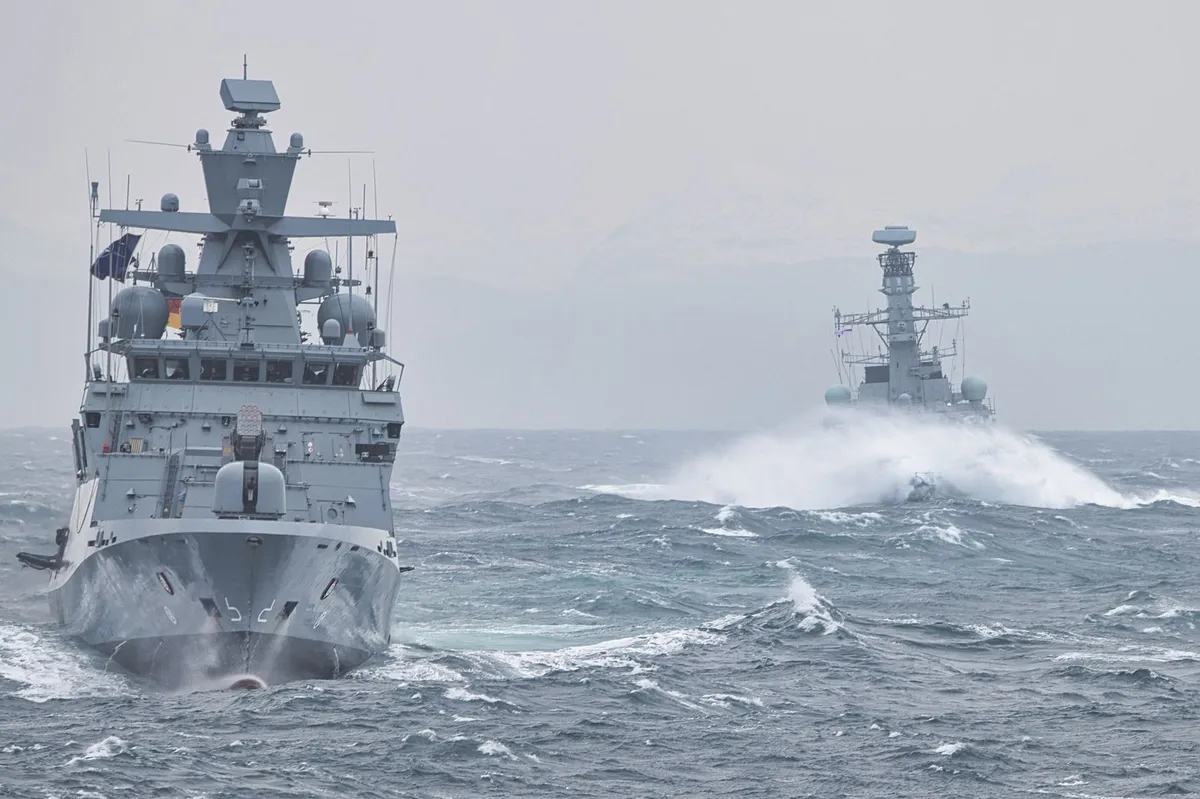
Strategic Implications for U.S. Military Operations
As the Trump administration pivots its military focus, the reliance on aircraft carriers for sustained operations has become increasingly evident. The USS Gerald R. Ford’s recent deployment underscores this trend, as it supported U.S. military operations while facing operational challenges, including a fire that necessitated repairs and left sailors without adequate living conditions.
Operational Readiness and Maintenance Challenges
The U.S. Navy operates a fleet of 11 aircraft carriers, but the current operational tempo raises critical questions about logistics and maintenance. Analysts project that the U.S. could soon face a maintenance backlog, as extended deployments leave fewer carriers available for service. This could lead to a diminished naval presence in the Pacific, potentially reshaping the region's security dynamics.
Rethinking the Role of Aircraft Carriers in Modern Warfare
The ongoing debate about the relevance of aircraft carriers in contemporary warfare continues to gain traction among military analysts. With advancements in drone technology and precision-guided missiles, carriers are becoming increasingly vulnerable to adversarial strikes. Experts like Michael Swaine argue for a reevaluation of U.S. naval strategy, suggesting a shift towards smaller ships and submarines that may offer greater operational flexibility in contested environments.
Future of U.S. Military Strategy
Top Navy officials, including Adm. Daryl Caudle, have acknowledged the need to adapt U.S. military strategy to the evolving landscape of warfare. This includes a gradual shift away from an over-reliance on large aircraft carriers, promoting the use of diverse naval assets to enhance operational effectiveness. As the Pentagon navigates these strategic challenges, the implications for U.S. military posture in the Asia-Pacific region remain uncertain.
Key Takeaways
- USS George Washington’s departure signifies a shift in U.S. military focus towards the Middle East.
- The absence of a carrier may embolden Chinese aggression in the Pacific.
- Operational strain on U.S. Navy personnel raises questions about military readiness.
- The future role of aircraft carriers in warfare is under scrutiny amid evolving threats.
- U.S. allies may feel increasingly insecure without a carrier presence in the region.
Frequently Asked Questions
What does the absence of a U.S. aircraft carrier in the Pacific mean for regional security?
The absence of a U.S. aircraft carrier in the Pacific raises significant concerns for regional security, particularly among U.S. allies who may perceive a diminished American commitment to their defense. As tensions with China escalate, the lack of a carrier could embolden Beijing to assert its territorial claims more aggressively, potentially destabilizing the region.
How does prolonged deployment affect U.S. Navy personnel?
Prolonged deployments can severely impact the mental health and operational effectiveness of U.S. Navy personnel. Extended time at sea without adequate rest can lead to psychological fatigue, resulting in decreased efficiency and increased risk of accidents. As experts have pointed out, maintaining crew morale and well-being is essential for ensuring the effectiveness of naval operations.
What are the implications for U.S. military strategy going forward?
The current shifts in U.S. military strategy reflect a need for adaptation to both geopolitical realities and advancements in warfare technology. As the Pentagon reevaluates its reliance on aircraft carriers, there may be a strategic pivot towards smaller, more agile naval assets that can effectively address emerging threats while preserving operational readiness in the face of increasing challenges.
How might U.S. allies respond to this shift in military focus?
U.S. allies in the Asia-Pacific region may respond with increased caution and concern in light of the carrier's absence. Nations like Japan and the Philippines may seek to bolster their own military capabilities or enhance defense partnerships to ensure their security amid perceived U.S. distractions. The evolving dynamics may prompt a reevaluation of existing alliances as countries navigate the changing security landscape.
This content is general information and not legal advice.
Comments
Betting on Legal Innovations: The New Frontier of Access and Influence
In a rapidly evolving landscape of influence and access, legal strategies are being reshaped by the actions of public figures. This article explores the implications of a recent lawsuit against President Trump and the broader implications for American legal practices.

Related articles
Popular in Business Law
- Supreme Court Justices' Financial Disclosures: A Closer Look
- Vishal Garg's Leadership Fallout: The Rise and Fall of Better.com
- Former Intelligence Official Faces Penalty for Post-Government Misconduct
- Blank Rome Faces Lawsuit After Major Data Breach Exposes Personal Information
- Congress Faces Reckoning Over Member-Staff Relationships