Japan's 81st WWII Surrender Anniversary: A Tenuous Balance of Remembrance and Relations
Japanese Prime Minister Sanae Takaichi's decision to skip a controversial shrine visit during the 81st anniversary of Japan's WWII surrender reflects the delicate balance of historical memory and geopolitical relations, particularly with China and South Korea. This article explores the implications of her absence, the historical context, and the ongoing debates over Japan's wartime past.
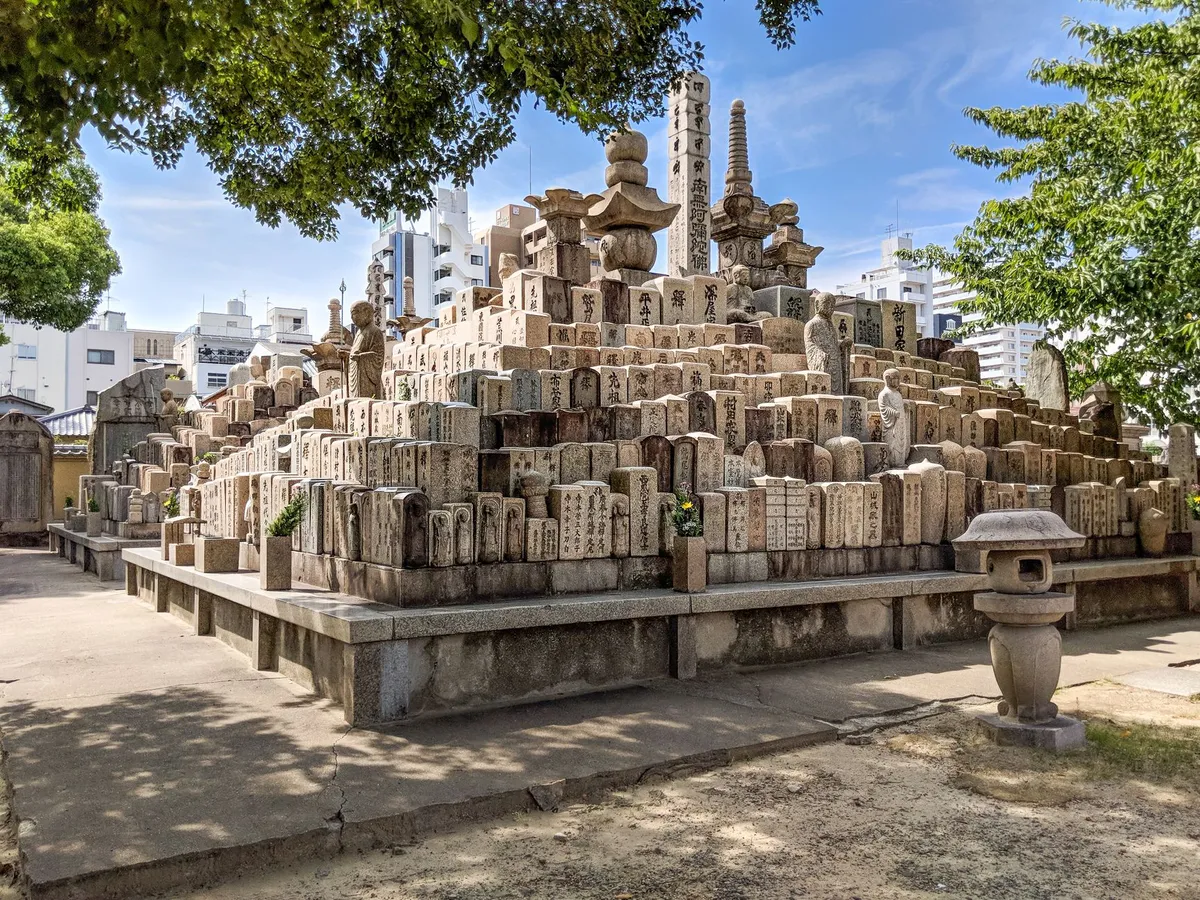
On August 15, 2023, Japan marked the 81st anniversary of its surrender in World War II, a date that evokes a complex tapestry of historical memory, national identity, and international relations. This year, the absence of Prime Minister Sanae Takaichi from the controversial Yasukuni Shrine visit was particularly noteworthy. It was a strategic move likely aimed at mitigating tensions with neighboring countries, especially China and South Korea, both of which harbor deep-seated grievances regarding Japan's wartime actions.
This annual ceremony, which typically involves a pilgrimage to the Yasukuni Shrine—a site dedicated to over 2.4 million war dead—has long been contentious due to its enshrinement of 14 individuals convicted as war criminals. Takaichi's decision to abstain from this year's visit underscores the fragile landscape of Japan's diplomatic relations, amidst ongoing scrutiny over its historical narratives and responsibilities.
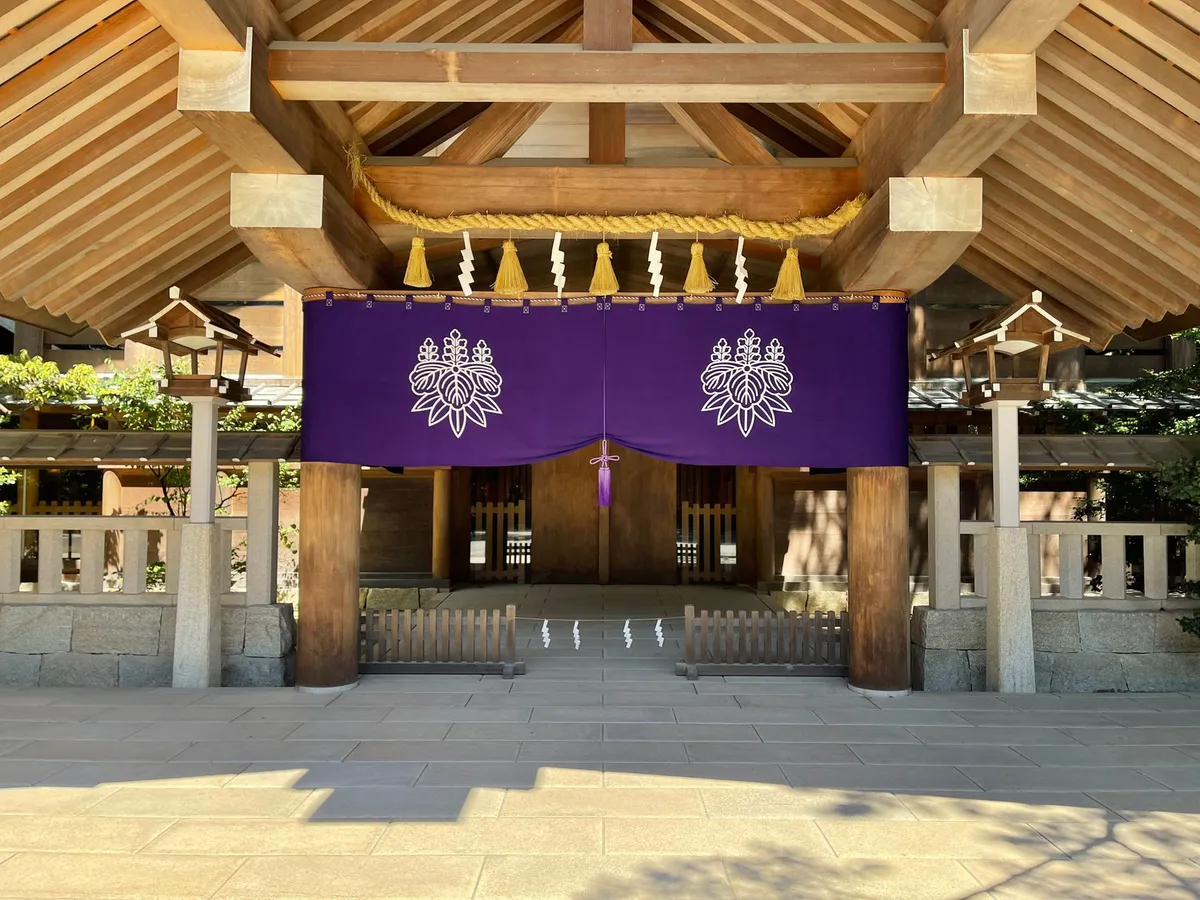
Unpacking the Significance of the Yasukuni Shrine
The Yasukuni Shrine serves as a pivotal symbol in Japan's post-war reconciliation efforts and its contemporary identity. Established in 1869, it was intended to commemorate those who died for the country, but its historical context has evolved dramatically. The shrine's incorporation of war criminals has rendered it a focal point of contention in Japan's foreign relations, particularly with China and South Korea, where memories of Japanese imperialism and military aggression during the early 20th century remain vivid.
Historical Context of Yasukuni
Japan's wartime history is marked by a series of aggressive expansions across Asia, leading to widespread atrocities, including:
- Mass killings and civilian casualties
- Forced labor practices
- The sexual enslavement of women, often referred to as “comfort women”
These actions have left an indelible mark on the collective memories of affected nations, complicating Japan's attempts to foster a narrative of peace and responsibility.
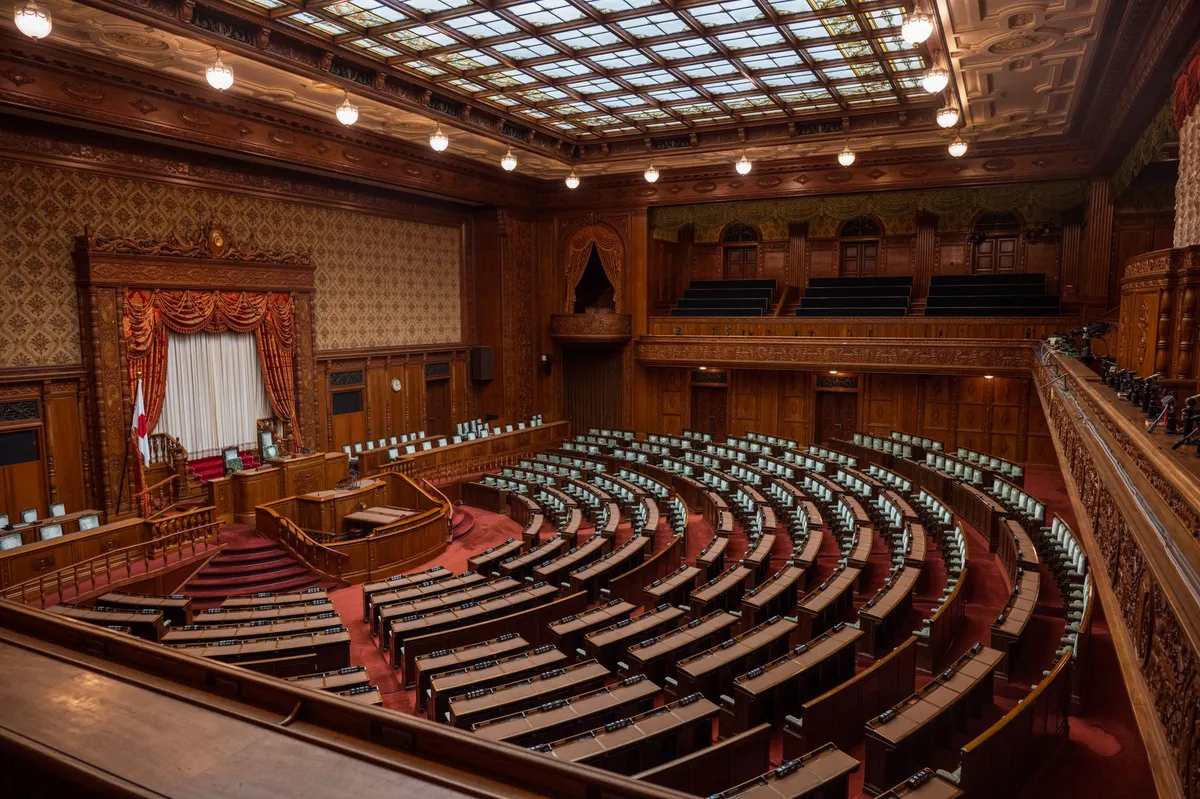
The Political Landscape: Takaichi’s Absence and Its Implications
Despite her absence at Yasukuni, Takaichi addressed the ceremony at Nippon Budokan, emphasizing Japan's commitment to peace and prosperity since the end of World War II. She expressed gratitude to those who perished in the war, framing their sacrifices as foundational to Japan's present stability. Yet, notably, Takaichi refrained from directly acknowledging Japan's wartime past in her remarks.
Reactions from Political Leaders
While Takaichi chose to distance herself from the shrine, several members of her government did not, including Defense Minister Shinjiro Koizumi, who has visited Yasukuni multiple times. In the wake of these visits, both China and South Korea expressed outrage, interpreting these actions as a lack of remorse for historical atrocities. The Chinese Foreign Ministry accused Japanese politicians of attempting to rewrite history and glorify militarism.
Amid these tensions, South Korean officials also criticized the shrine visits, labeling them as “anachronistic acts” that ignore historical realities. South Korean President Lee Jae Myung, however, took a more conciliatory approach, underscoring the importance of Korea-Japan cooperation moving forward.
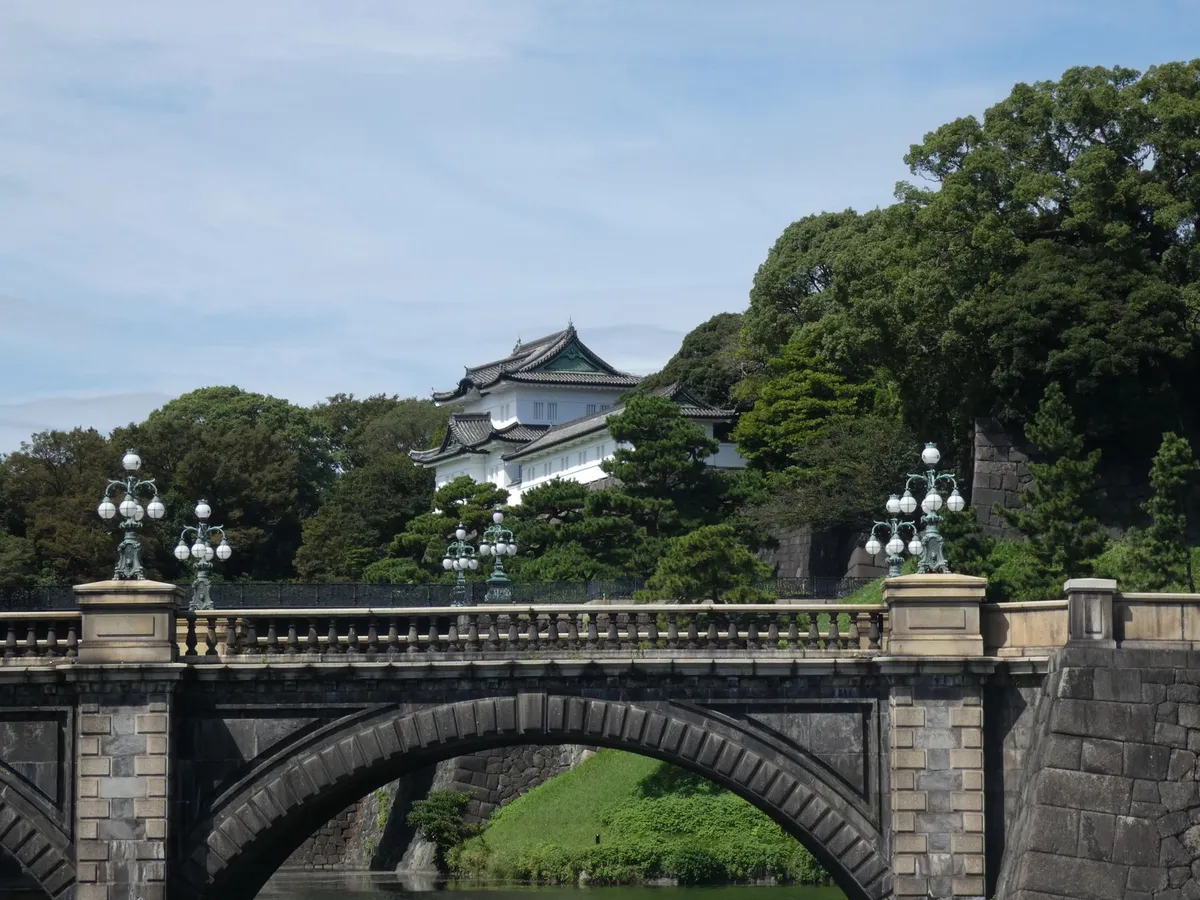
The Role of the Japanese Monarchy
The Japanese imperial family has historically avoided Yasukuni shrine visits since the controversial enshrinement of war criminals in 1978. Emperor Naruhito, in his address during the anniversary ceremony, expressed a desire for past ravages of war to remain unforgotten, emphasizing the importance of reflecting on history with a sense of remorse. His comments, while respectful of the victims, also serve as a reminder of the delicate balance the royal family must maintain in addressing Japan's wartime legacy.
Public Sentiment and Memory
The public sentiment surrounding the Yasukuni Shrine is diverse, with many Japanese citizens visiting to honor their relatives who perished in the war. For individuals like Mariko Shinoda, who lost her grandfather in the conflict, Yasukuni represents a sacred space of remembrance. This duality of memory—where personal grief coexists with national guilt—illustrates the ongoing challenge of reconciling past and present in Japan's national narrative.
Contemporary Challenges and Revisionism
In recent years, Japan has faced a wave of revisionist sentiments, particularly under the influence of nationalistic leaders like former Prime Minister Shinzo Abe, who advocated for a more assertive national identity. Takaichi, who identifies closely with Abe's political legacy, has resisted acknowledging Japan's wartime aggression and has opposed efforts to incorporate the realities of wartime sexual slavery into educational narratives. This stance reflects a broader trend in Japanese politics where acknowledgment of historical wrongdoing has diminished significantly since the 2010s.
The Future of Japan’s Historical Acknowledgment
As Japan navigates its post-war identity, the challenge of confronting its past remains paramount. The absence of formal apologies for wartime actions has left a vacuum of accountability, impacting Japan's relations with its Asian neighbors. Without significant efforts to engage in historical reconciliation, the potential for escalating tensions remains high, complicating Japan's global standing in an increasingly interconnected world.
Key Takeaways
- Sanae Takaichi's absence from Yasukuni Shrine reflects tensions with China and South Korea.
- The Yasukuni Shrine symbolizes the complexities of Japan's wartime history and its impact on international relations.
- Japan's political leaders remain divided on how to approach the nation's wartime legacy.
- The Japanese monarchy has distanced itself from the shrine due to its controversial history.
- Revisionist sentiments in Japan pose ongoing challenges to historical acknowledgment and reconciliation.
Frequently Asked Questions
Why is the Yasukuni Shrine controversial?
The Yasukuni Shrine is controversial primarily because it commemorates individuals who died for Japan, including 14 convicted war criminals from World War II. This has led to accusations from neighboring countries, particularly China and South Korea, that visits by Japanese officials represent a lack of remorse for historical atrocities committed during Japan's imperial expansion.
How do Japan's leaders approach the country's wartime past?
Japanese leaders exhibit a range of approaches to the country's wartime past. While some, like Prime Minister Takaichi, have avoided directly acknowledging wartime aggression, others have called for recognition and reconciliation. The political climate in Japan has shifted towards nationalism, leading to a decline in formal apologies for wartime actions since the 2010s.
What impact do shrine visits have on Japan's foreign relations?
Visits to the Yasukuni Shrine by Japanese leaders can significantly strain diplomatic relations with neighboring countries, especially China and South Korea. These visits are often viewed as a glorification of Japan’s militaristic past, which can exacerbate existing tensions and hinder cooperative efforts in the region.
What role does the Japanese monarchy play in addressing wartime history?
The Japanese monarchy has largely distanced itself from the Yasukuni Shrine since it began enshrining war criminals. Current Emperor Naruhito has expressed a desire for reflection and remorse regarding Japan's wartime actions, indicating that the royal family's stance is more aligned with a narrative of peace and remembrance rather than one of glorification.
Comments
PSG Strengthens Squad with Ferran Torres from Barcelona
Paris Saint-Germain adds to its attacking prowess by signing World Cup winner Ferran Torres from Barcelona. The move signifies a strategic enhancement as the club aims for another successful season.

Related articles
Popular in Business Law
- Supreme Court Justices' Financial Disclosures: A Closer Look
- Vishal Garg's Leadership Fallout: The Rise and Fall of Better.com
- Former Intelligence Official Faces Penalty for Post-Government Misconduct
- Blank Rome Faces Lawsuit After Major Data Breach Exposes Personal Information
- Congress Faces Reckoning Over Member-Staff Relationships