Former City Attorney Convicted: Implications for Public Trust and Legal Ethics
The conviction of a former city attorney for misconduct raises serious questions about legal ethics and public trust. This article explores the broader implications of such actions on the legal profession and community.
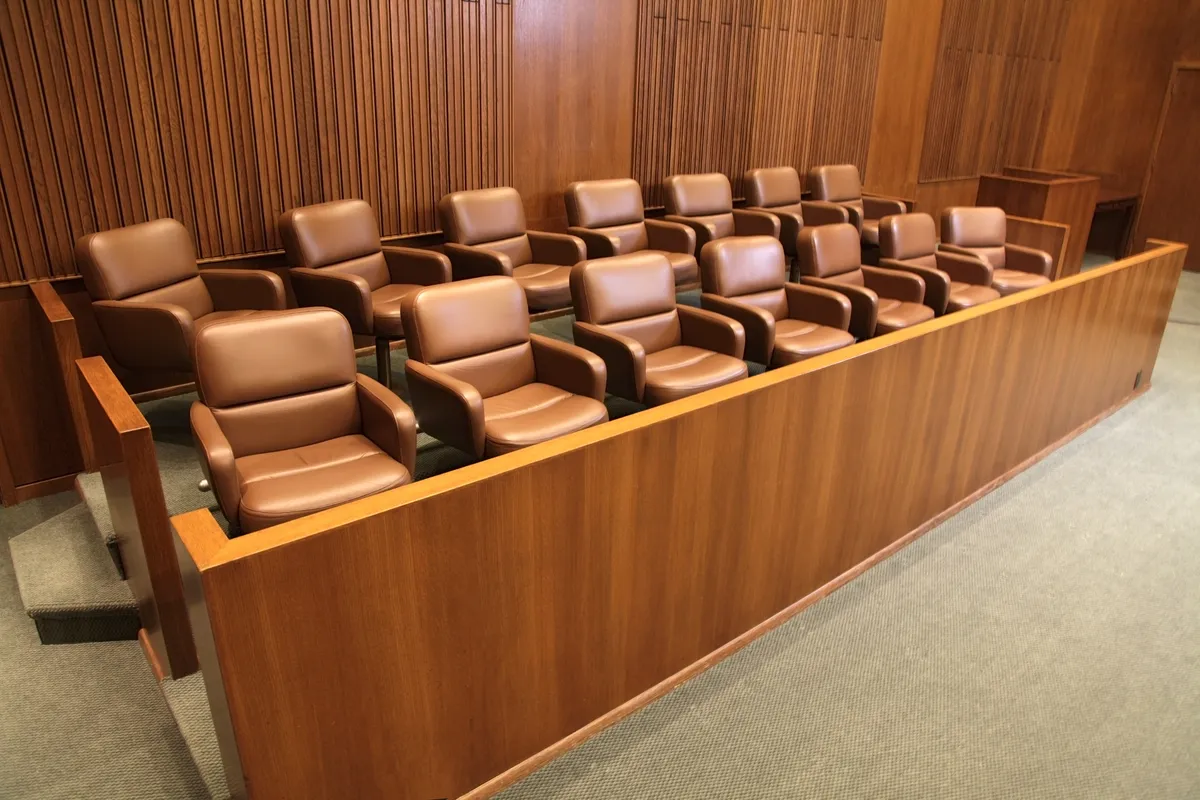
The recent conviction of a former city attorney on charges of misconduct has sent shockwaves through the community and the legal profession alike. This case not only highlights the individual failings of a legal representative but also raises broader questions about ethics, accountability, and the trust that the public places in its legal institutions. In an age where transparency and integrity are paramount, such breaches of conduct can have far-reaching consequences.
For the residents of the city, the conviction signifies a betrayal of the public trust, as attorneys are expected to uphold the law and serve the interests of the community. The implications of this case extend beyond the courtroom; they resonate throughout every layer of local governance and legal practice. In this feature, we will delve into the details surrounding the misconduct, the legal framework governing attorney behavior, and the potential ramifications for both the convicted attorney and the legal system.
Understanding Misconduct in Legal Profession
Legal misconduct can take many forms, including fraudulent activities, conflicts of interest, and breaches of confidentiality. Attorneys are bound by strict ethical guidelines established by state bar associations, and violations can lead to disciplinary actions, including disbarment. In this particular case, the former city attorney was found guilty of conduct that not only violated these ethical standards but also undermined the very fabric of the legal system.
What Constitutes Misconduct?
Misconduct in the legal field can include:
- Fraudulent billing practices
- Conflict of interest cases
- Misrepresentation of facts to clients or courts
- Negligence in legal duties
These behaviors, particularly in a public office, can erode the trust that citizens place in their legal representatives. The ramifications can be dire, leading to a loss of faith in the justice system and a chilling effect on community engagement with legal processes.
The Legal Framework Surrounding Attorney Misconduct
In the United States, the legal profession is governed by a combination of state laws and ethical codes. Each state has its own bar association that sets rules for attorney conduct, which are largely based on the American Bar Association's Model Rules of Professional Conduct. These rules outline the expectations for attorneys and provide a framework for disciplinary procedures in cases of misconduct.
Consequences of Misconduct
When an attorney is found guilty of misconduct, several consequences can follow:
- Disciplinary actions by bar associations, which may include suspension or disbarment.
- Criminal charges that can lead to fines and imprisonment.
- Liability for damages in civil lawsuits from affected clients.
In this case, the former city attorney faces not only professional repercussions but also potential criminal penalties, highlighting the serious nature of the violations committed.

Impact on Public Trust and Community Relations
The conviction of a public figure such as a city attorney can significantly impact public perception of local government and legal institutions. Trust is a cornerstone of effective governance; when that trust is compromised, it can lead to disillusionment among constituents. Citizens expect their public servants to act in their best interests, and misconduct can create a sense of betrayal.
Restoring Trust After Misconduct
Restoring public trust after such incidents is a challenging but necessary process. Some strategies for rebuilding trust include:
- Increased transparency in government operations.
- Regular audits of legal practices and financial transactions.
- Community outreach programs to engage citizens in discussions about ethics and governance.
These measures can help to reassure the public that steps are being taken to prevent future misconduct and to hold individuals accountable for their actions.

Future Implications for the Legal Profession
The case of the former city attorney serves as a cautionary tale for legal professionals. It underscores the importance of adhering to ethical standards and the potential consequences of failing to do so. The legal profession must continually strive to maintain high ethical standards, not only to protect clients but also to safeguard the integrity of the legal system as a whole.
The Role of Bar Associations
Bar associations play a critical role in enforcing ethical guidelines and providing resources for attorneys to better understand their responsibilities. By actively promoting ethical education and holding members accountable for their actions, bar associations can help prevent future incidents of misconduct.
Key Takeaways
- The conviction of a former city attorney highlights serious ethical breaches in the legal profession.
- Misconduct can lead to severe consequences, including disbarment and criminal charges.
- Restoring public trust requires transparency and accountability from legal institutions.
- Bar associations are crucial in maintaining ethical standards and preventing future misconduct.
Frequently Asked Questions
What are the penalties for attorney misconduct?
The penalties for attorney misconduct can vary widely depending on the severity of the violation. Common consequences include disciplinary actions such as suspension or disbarment by the state bar association, criminal charges that can lead to imprisonment and fines, and civil liabilities where affected clients may seek damages through lawsuits. Each case is evaluated on its own merits, and the penalties are designed to reflect the nature and impact of the misconduct.
How can the public report attorney misconduct?
Members of the public can report attorney misconduct to their state bar association, which is responsible for investigating complaints against attorneys. Most bar associations have clear procedures for filing a complaint, which typically involves submitting a written statement detailing the alleged misconduct. The bar association will then conduct an investigation and determine whether the attorney has violated any ethical rules.
What steps can be taken to improve legal ethics?
Improving legal ethics requires a multifaceted approach that includes ongoing education for attorneys about ethical responsibilities, regular audits of legal practices, and encouraging a culture of accountability within the profession. Bar associations can also play a key role by providing resources and support to help attorneys navigate ethical dilemmas and by actively enforcing ethical guidelines to ensure compliance among members.
Why is public trust important in the legal profession?
Public trust is essential in the legal profession because it underpins the effectiveness of the justice system. When citizens trust their legal representatives, they are more likely to engage with the legal system, report wrongdoing, and seek legal assistance when needed. A lack of trust can lead to disengagement from legal processes, which can ultimately undermine the rule of law and the effectiveness of legal institutions.
Disclaimer: This content is general information and not legal advice.
Comments
London as the Global Mediation Hub: Resolving Disputes Efficiently
London's unique blend of commerce, law, and institutions makes it the premier destination for mediation in international disputes. With a high success rate and rapid resolution timelines, mediation has become a preferred alternative to litigation for many parties worldwide.

Related articles





Popular in Business Law
- Supreme Court Justices' Financial Disclosures: A Closer Look
- Vishal Garg's Leadership Fallout: The Rise and Fall of Better.com
- Former Intelligence Official Faces Penalty for Post-Government Misconduct
- Blank Rome Faces Lawsuit After Major Data Breach Exposes Personal Information
- Congress Faces Reckoning Over Member-Staff Relationships