Violence Erupts in West Bank: Israeli Military Detains Over 70 Amid Tensions
Recent violence in the West Bank has led to the deaths of Israeli soldiers and Palestinian villagers, prompting a significant military response from Israel. This article explores the implications of these events, the ongoing conflict, and the broader context of Israeli-Palestinian relations.
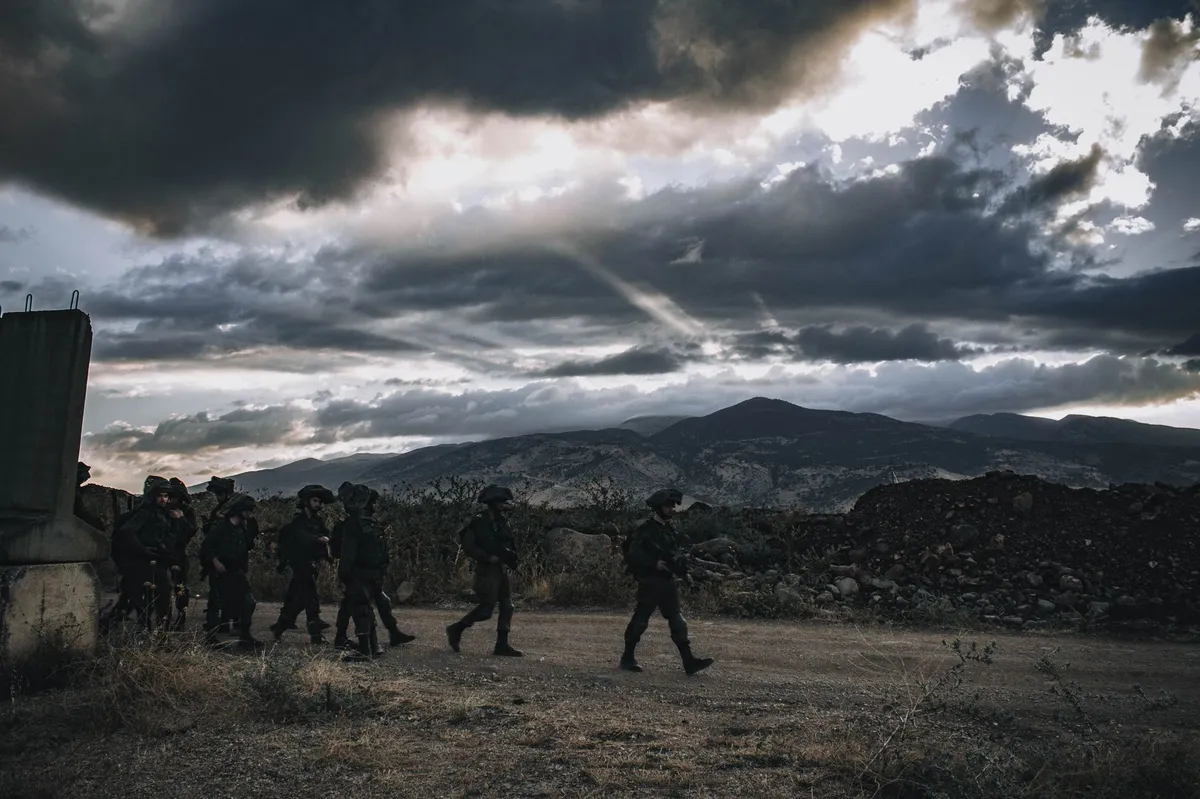
The ongoing conflict between Israel and Palestine has once again escalated, with violence erupting in the West Bank resulting in a tragic loss of life. Over the weekend, the Israeli military detained more than 70 individuals following deadly confrontations that left two Israeli soldiers and four Palestinian villagers dead. This incident, which has drawn international attention, underscores the fragile state of security in the region and the complex dynamics at play.
In the northern West Bank village of Tell, where the clashes were concentrated, Israeli soldiers conducted extensive searches and raids, which included a controversial incursion into a local hospital. Eyewitness accounts reveal a disturbing scene where armed soldiers stormed the hospital, causing panic among patients and medical staff. Ghassan Barkat, director of Nablus Specialty Hospital, reported that soldiers detained and insulted staff and patients, raising significant concerns about the treatment of civilians in conflict zones.

The Context of Violence in the West Bank
The recent violence is part of a broader pattern of tension in the West Bank, particularly as Israel's hard-line government has intensified settlement construction in occupied territories. More than 700,000 Israelis currently reside in the West Bank and East Jerusalem, areas that Palestinians claim for a future state. The international community largely views these settlements as illegal, considering them an obstacle to peace.
On Friday, the violent confrontations in Tell reportedly began when a group of Israeli settlers entered the village, leading to a confrontation with local residents concerned about potential aggression. The Israeli military reported that its troops shot and killed four Palestinians during the clashes, while two Israeli soldiers also lost their lives, one of whom was affiliated with a local defense squad. This cycle of violence not only exacerbates existing tensions but also leads to retaliatory actions that further destabilize the region.
The Aftermath: Detentions and Damage
In the wake of the violence, the Israeli military announced that it detained over 80 Palestinians across various locations, a move that officials from the Palestinian higher commission for the affairs of prisoners have described as collective punitive measures. These detentions are part of a broader strategy employed by Israel to respond to violence, which often leaves Palestinian communities grappling with the consequences.
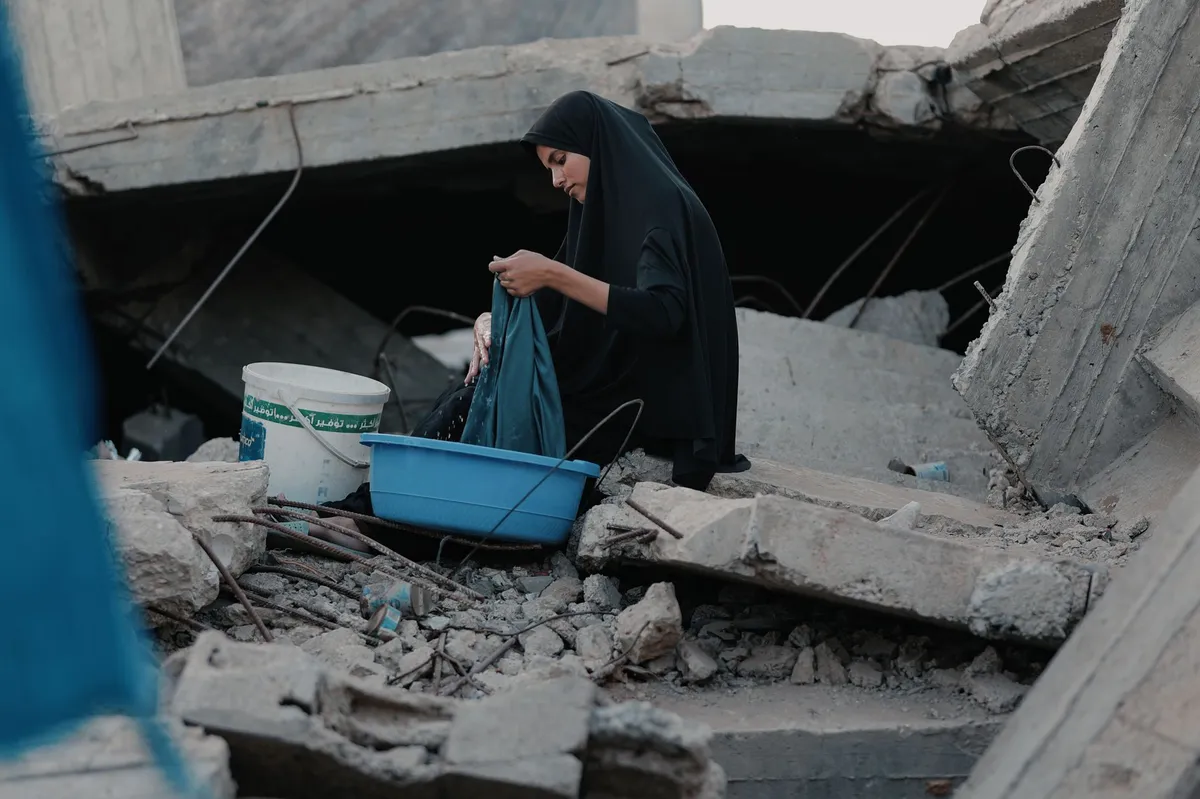
Residents in the West Bank are now faced with the aftermath of the violence, including damaged homes and vehicles. Such incidents not only highlight the immediate physical toll of the conflict but also the psychological impact on communities that live under the constant threat of violence and military operations.
Wider Implications of the Conflict
The recent events in the West Bank come against a backdrop of ongoing hostilities between Israel and militant groups in Gaza. In a related incident, Israeli airstrikes across Gaza resulted in the deaths of at least four Palestinians, further complicating the situation. The Israeli military claims these strikes are in response to attacks from militants, but the resulting civilian casualties raise serious humanitarian concerns.
Since the fragile ceasefire established after intense fighting in October, tensions have remained high, with Israeli forces conducting repeated airstrikes that have reportedly killed over 1,191 Palestinians. The humanitarian situation in Gaza has reached critical levels, with the Health Ministry there asserting that a significant portion of the casualties are women and children. Such statistics underscore the tragic human cost of the conflict and the urgent need for a resolution.
The International Response and Future Outlook
The international community has largely condemned the escalation of violence and the ongoing settlement construction in the West Bank. Calls for a renewed focus on peace negotiations and a two-state solution have been met with varying responses, reflecting deeply entrenched divisions on both sides. The situation remains volatile, with the potential for further violence always present, particularly if actions are perceived as provocative by either side.
The continued cycle of violence, detentions, and military operations indicates the challenges that lie ahead in achieving lasting peace. For the people living in these regions, the hope for stability and security often seems elusive, with each new incident serving as a stark reminder of the complexities of the Israeli-Palestinian conflict.
Key Takeaways
- Over 70 individuals detained in the West Bank following violent clashes.
- Two Israeli soldiers and four Palestinians killed in the recent violence.
- International community views Israeli settlements as illegal and a barrier to peace.
- Escalating airstrikes in Gaza have resulted in significant civilian casualties.
- The situation in the region remains volatile, with ongoing tensions and humanitarian concerns.
Frequently Asked Questions
What triggered the recent violence in the West Bank?
The violence was reportedly triggered when a group of Israeli settlers entered the Palestinian village of Tell, leading to confrontations with local residents. Fearful of an attack, the villagers engaged with the settlers, resulting in clashes that escalated and ultimately led to casualties on both sides.
How has the international community responded to the violence?
The international community has largely condemned the violence and the continued construction of Israeli settlements in occupied territories. Many nations and organizations call for renewed peace negotiations and emphasize the need for a two-state solution to address the ongoing conflict and its humanitarian implications.
What is the current situation in Gaza following the airstrikes?
Following the recent airstrikes, the situation in Gaza remains dire, with significant civilian casualties reported. The Health Ministry in Gaza has indicated that the majority of the casualties are women and children, highlighting the severe humanitarian crisis exacerbated by ongoing military operations and blockades.
What steps can be taken to reduce tensions in the region?
To reduce tensions, there needs to be a concerted effort from both Israeli and Palestinian leadership to engage in dialogue and peace negotiations. Additionally, the international community can play a role by promoting mediation efforts, supporting humanitarian aid initiatives, and advocating for adherence to international law regarding settlements and military actions.
This content is general information and not legal advice.
Comments
Popular in Business Law
- Supreme Court Justices' Financial Disclosures: A Closer Look
- Vishal Garg's Leadership Fallout: The Rise and Fall of Better.com
- Former Intelligence Official Faces Penalty for Post-Government Misconduct
- Blank Rome Faces Lawsuit After Major Data Breach Exposes Personal Information
- Congress Faces Reckoning Over Member-Staff Relationships