Arizona Supreme Court Reinforces Transparency in Police Records Access
In a significant ruling, the Arizona Supreme Court has sided with the Goldwater Institute, promoting transparency in police union negotiations and limiting the ability of public entities to withhold records.
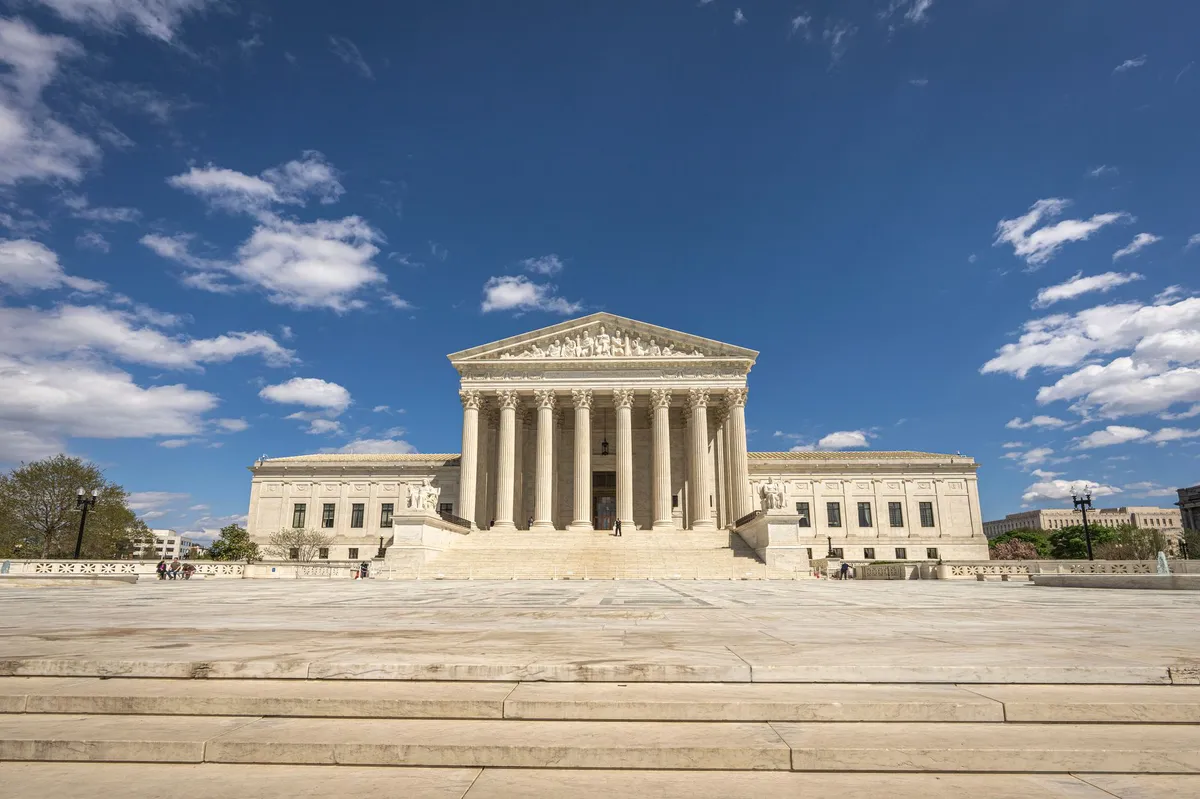
In a landmark decision that underscores the importance of transparency in government operations, the Arizona Supreme Court has ruled in favor of public access to police union negotiation records in Phoenix. This ruling marks a significant moment for advocates of open government, as it reinforces the principle that public entities cannot simply invoke vague claims of state interests to withhold information from the public.
The case originated from a lawsuit filed by the Goldwater Institute against the city of Phoenix, challenging the city’s decision to keep police union negotiation documents secret. This ruling has broader implications not only for Arizona but potentially for public records laws across the United States, where the balance between transparency and privacy continues to be a contentious issue.
The Background of the Case
The Goldwater Institute, a conservative think tank focused on public policy issues, initiated the lawsuit in 2022 after the Phoenix Law Enforcement Association (PLEA) began negotiations for a new contract without providing the draft proposal to the public, as required by city code. The city of Phoenix contended that releasing these documents could undermine the negotiation process, arguing that it would lead to politicization and collusion among unions.
Public Records Law in Arizona
Arizona’s public records law, which carries a strong presumption of transparency, is designed to ensure that citizens have access to information regarding their government’s operations. The law recognizes that public access to records is essential for accountability and citizen engagement. In this case, the Supreme Court emphasized that any attempt by a public entity to withhold records must be based on concrete evidence of likely harm, rather than vague assertions.
The Supreme Court's Ruling
In a 19-page opinion authored by Justice Kathryn King, the Arizona Supreme Court vacated the previous appeals court ruling that had sided with Phoenix. The court stated that the city's argument for withholding records was insufficient and must be supported by specific, material evidence of potential harm. Justice King noted, “If the ‘best interests of the state’ exception could be satisfied merely by asserting it in a conclusory, self-serving fashion, it would defeat the strong presumption of transparency.”
This clarification is crucial because it sets a precedent for how public records requests will be handled in the future. The ruling mandates that Phoenix must conduct an in-camera review of the documents to determine whether any legitimate reasons exist for withholding them, thus reinforcing the need for transparency.

Implications for Public Access and Accountability
The implications of this ruling extend beyond the immediate case. The decision reinforces the notion that transparency is a fundamental principle in democratic governance. Public access to records, especially those involving negotiations between government entities and unions, is essential for fostering trust and accountability.
Goldwater attorney Parker Jackson articulated the broader significance of the ruling, stating, “Citizens have a right to know what their government is up to and should have an opportunity to provide feedback about labor negotiations and other public activities.” This sentiment echoes the concerns of many advocacy groups that argue for greater transparency in government dealings.
How Transparency Affects Citizens
Transparency in police union negotiations has far-reaching implications for citizens. It allows for public scrutiny of the demands placed on local governments and the offers made by officials, providing a clearer picture of how taxpayer dollars are being allocated and what services are being prioritized. When negotiations are conducted behind closed doors, it can lead to mistrust and resentment among the community, especially when contentious issues such as police funding and accountability are involved.
- Public Scrutiny: Citizens can hold their leaders accountable through informed discussions.
- Taxpayer Interests: Understanding union negotiations can clarify how budget decisions impact services.
- Community Engagement: Transparency fosters greater public involvement in local governance.

Looking Ahead: Future Considerations
The ruling has prompted discussions about the future of public records laws in Arizona and beyond. While the decision reinforces the presumption of transparency, it also opens the door for future legal challenges regarding what constitutes a legitimate reason for withholding records. Public entities may need to reevaluate their approaches to transparency and consider the potential legal ramifications of withholding information.
Furthermore, the ruling may encourage other organizations and citizens to pursue similar lawsuits, advocating for their right to access public records. As public trust in government continues to wane, the demand for transparency in all areas of public governance will likely grow.
Key Takeaways
- The Arizona Supreme Court's ruling promotes transparency in police union negotiations.
- Public entities must provide concrete evidence to justify withholding records.
- This decision reinforces the importance of citizen engagement and accountability.
- Future cases may further define the boundaries of public records laws.
Frequently Asked Questions
What does the recent Arizona Supreme Court ruling mean for public access to records?
The ruling affirms that public entities in Arizona cannot withhold records without providing specific, material evidence of potential harm. This strengthens the public's right to access information about government operations, particularly in sensitive areas like police union negotiations.
How can citizens request access to public records in Arizona?
Citizens can request access to public records in Arizona by submitting a formal request to the appropriate government agency. It’s important to specify the records sought and to be aware of any applicable fees or timelines for responses. The Arizona Public Records Law provides guidelines for these requests, ensuring that they are handled in a timely manner.
What are the potential consequences for cities that fail to comply with public records requests?
Cities that fail to comply with public records requests may face legal challenges, as seen in this case. Consequences can include court orders to release the requested information, as well as potential financial penalties. Non-compliance can also erode public trust and lead to greater scrutiny of government actions.
How does this ruling affect other states?
While this ruling specifically pertains to Arizona, it could serve as a precedent for similar cases in other states. Legal advocates for transparency may reference this decision in their arguments, potentially influencing the interpretation and enforcement of public records laws nationwide.
Comments
Federal Judge Dismisses Trump Administration's Sanctuary City Lawsuit Against Minnesota
A federal judge has dismissed a lawsuit from the Trump administration challenging Minnesota's sanctuary policies, reaffirming state rights under the Tenth Amendment. The ruling underscores the ongoing legal battles over immigration enforcement and state sovereignty.

Related articles


Popular in Business Law
- Supreme Court Justices' Financial Disclosures: A Closer Look
- Vishal Garg's Leadership Fallout: The Rise and Fall of Better.com
- Former Intelligence Official Faces Penalty for Post-Government Misconduct
- Blank Rome Faces Lawsuit After Major Data Breach Exposes Personal Information
- Congress Faces Reckoning Over Member-Staff Relationships