The Legacy of Senator Lindsey Graham: A Political Journey Cut Short
Senator Lindsey Graham's unexpected passing due to an aorta rupture has left a significant void in U.S. politics. This article explores his life, career, and the implications of his death on future political dynamics.
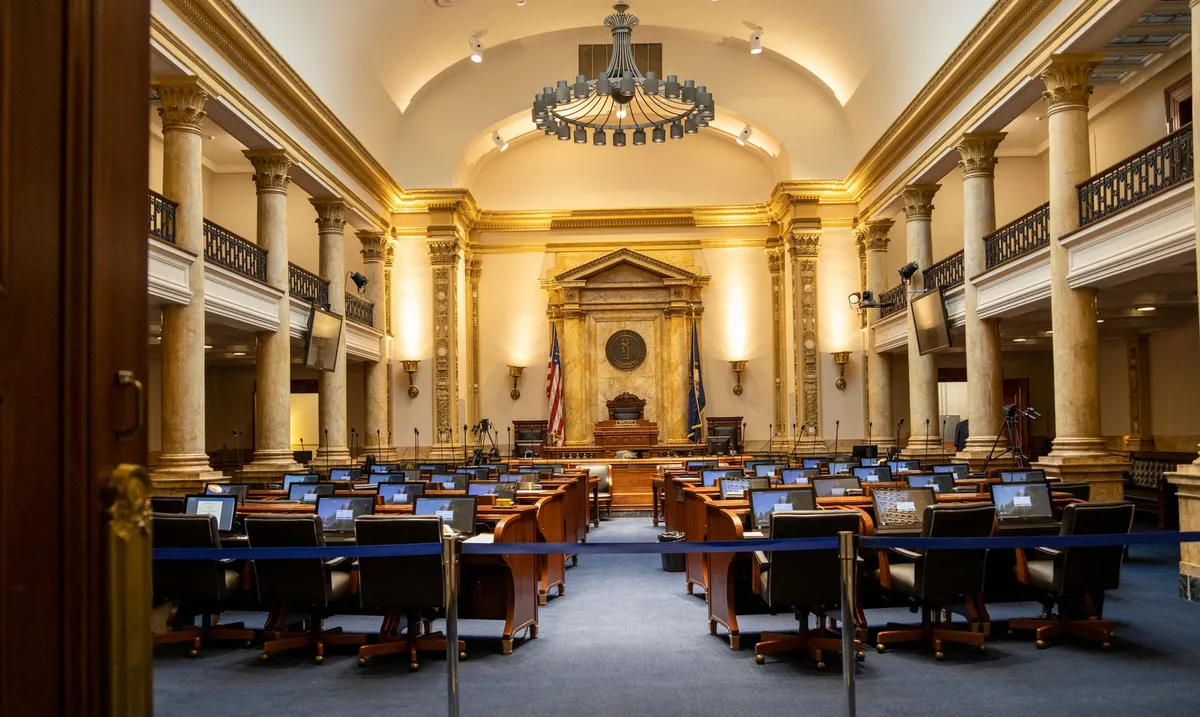
Senator Lindsey Graham's sudden passing at the age of 71 marks a significant moment in U.S. politics, especially given his prominent role as a staunch ally of former President Donald Trump. The preliminary findings from the medical examiner suggest that Graham died following a rupture of his aorta, a critical medical condition often associated with the hardening of arteries. This tragic event raises questions about the future of his constituents in South Carolina, the Republican Party, and the Senate's political landscape.
Graham's death not only ends a three-decade-long career defined by his commitment to U.S. foreign policy and national defense, but it also reshapes the dynamics of the Senate, where he was a leading figure on key committees. As the news of his passing reverberates through the halls of Congress, it is essential to reflect on his legacy and the implications of a special election that will soon be called to fill his seat.

A Career Dedicated to Public Service
Born on July 9, 1955, in Central, South Carolina, Lindsey Graham's journey to the U.S. Senate began with humble beginnings. After earning a degree from the University of South Carolina and later graduating from law school, Graham served as an officer in the U.S. Air Force, which laid the foundation for his political career. Elected to the House of Representatives in 1994 and then to the Senate in 2002, he quickly became known for his strong stances on military interventionism and national defense.
Political Philosophy and Influences
Graham's political philosophy evolved over the years, reflecting both his personal beliefs and the shifting landscape of the Republican Party. Initially, he was critical of Donald Trump during the 2016 election, labeling him "unfit for office." However, once Trump assumed the presidency, Graham's alignment shifted, and he became one of Trump's most vocal supporters, helping to shape key policies related to national security and foreign affairs.
His transformation from a critic to a confidant of Trump illustrates the complex dynamics of political alliances, particularly in a party that has seen significant ideological shifts. Graham often cited his friendship with the late Senator John McCain as a guiding influence, emphasizing the importance of loyalty and bipartisanship even amidst fierce political battles.
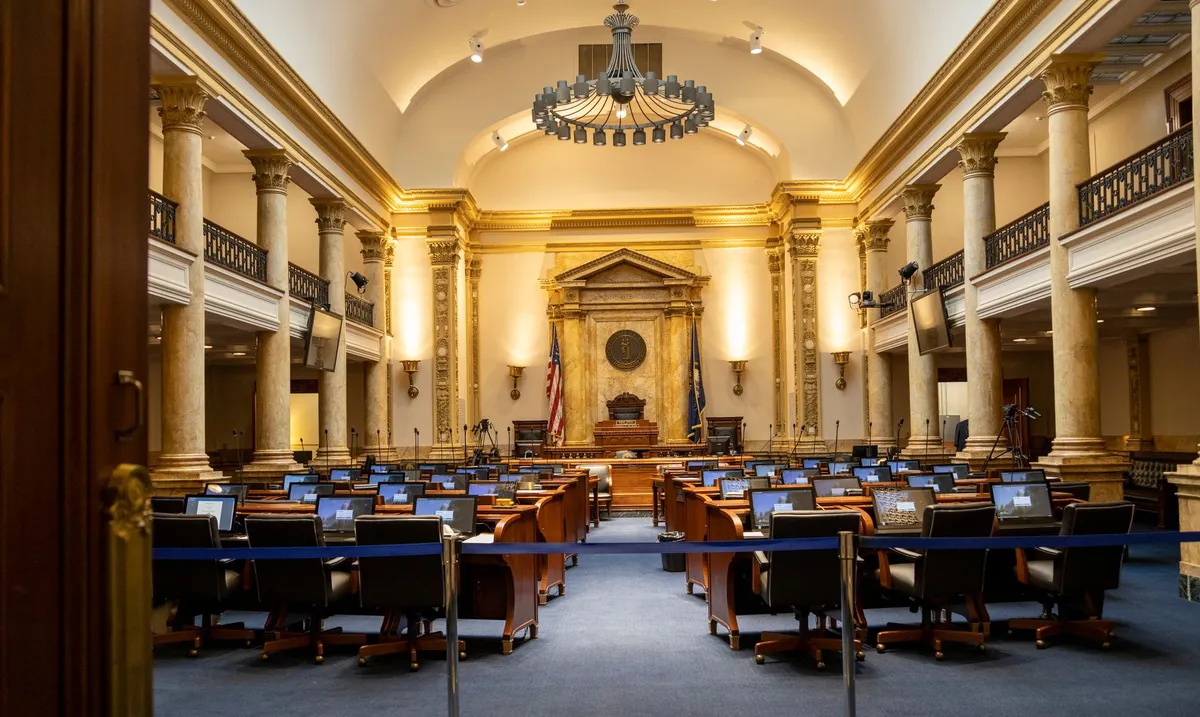
Foreign Policy Expertise
One of Graham's most notable contributions to U.S. politics was his focus on foreign policy. His advocacy for a strong military presence abroad and his support for interventions in Iraq and Afghanistan positioned him as a leading figure in Republican foreign policy circles. Recently, he had been active in discussions surrounding sanctions against Russia and was deeply involved in supporting Ukraine amid its ongoing conflict with Russia.
During a recent trip to Ukraine, Graham met with President Volodymyr Zelenskyy, reinforcing his commitment to international alliances and democratic values. Zelenskyy's tribute to Graham as a "true defender of freedom" underscores the senator's significant role in shaping U.S. foreign relations and supporting allies across the globe.

Impact on Domestic Policy
In addition to his influence on foreign policy, Graham held prominent positions on the Senate Judiciary and Budget Committees, where he played a key role in shaping domestic legislation. As the chairman of the Senate Judiciary Committee, he was instrumental in confirming Supreme Court justices, including Amy Coney Barrett. His leadership in the Senate Budget Committee allowed Republicans to pass significant legislation without facing a filibuster, showcasing his ability to navigate complex legislative environments.
Graham's bipartisan efforts in crafting immigration reform demonstrate his willingness to engage across party lines, although he often faced pushback from more conservative factions within his party. His commitment to finding common ground on critical issues, including immigration, healthcare, and national security, made him a respected figure among colleagues, regardless of party affiliation.

The Road Ahead: Special Election and Political Implications
With Graham's passing, South Carolina Governor Henry McMaster is tasked with appointing a temporary replacement until a special election can be held. This election, mandated by state law, will determine who will serve the remainder of Graham's term, which is particularly significant as Graham was running for a fifth term in November.
The political ramifications of this special election extend beyond South Carolina. Given the current narrow Republican majority in the Senate, the appointment and subsequent election could influence the balance of power in Congress. Candidates vying for this position will likely need to align their platforms with the prevailing sentiments of the Republican base, which has evolved in the wake of Trump’s presidency.
Key Takeaways
- Lindsey Graham's unexpected death underscores the fragility of life and the impact of health issues such as an aorta rupture.
- His legacy in foreign policy and defense will likely shape discussions in Congress long after his passing.
- A special election will soon take place in South Carolina to fill his Senate seat, with potential implications for the Republican Party and the Senate's balance of power.
- Graham's complex relationship with Trump reflects the shifting dynamics within the Republican Party.
- His bipartisan efforts on key legislation highlight the importance of collaboration in a divided political landscape.
Frequently Asked Questions
What was the cause of Lindsey Graham's death?
Senator Lindsey Graham died from a rupture of his aorta, a serious medical condition related to cardiovascular health. The initial reports indicate that this condition was exacerbated by the hardening of his arteries. A final cause of death will be confirmed following further medical tests, including toxicological and microscopic analyses.
How will Graham's death affect the Senate?
Graham's passing creates a vacancy in the Senate that will require a special election to fill. This could influence the balance of power within the Senate, especially given the current narrow Republican majority. The appointment of a temporary replacement by Governor McMaster will also play a crucial role in shaping future legislative discussions and policies.
What was Graham's role in U.S. foreign policy?
As a prominent member of the Senate, Graham was a leading voice on foreign policy, advocating for military intervention and support for international allies. His recent engagements included strong backing for Ukraine amid its conflict with Russia and advocacy for sanctions against foreign adversaries. His expertise and relationships with world leaders positioned him as a significant figure in shaping U.S. foreign relations.
What legacy does Graham leave behind?
Lindsey Graham's legacy encompasses his contributions to both foreign and domestic policy, marked by his dedication to national defense and bipartisan cooperation. His ability to navigate complex political landscapes and foster relationships across party lines, along with his unwavering support for Trump's policies, will leave a lasting impact on the Republican Party and the Senate's future direction.
Comments
Apple Accuses OpenAI of Corporate Espionage: The Legal Battle Unfolds
Apple has filed a lawsuit against OpenAI, alleging the theft of trade secrets and corporate espionage involving former Apple employees. The implications of this case extend beyond Apple and OpenAI, raising important questions about intellectual property rights in the tech industry.

Related articles


Popular in Business Law
- Supreme Court Justices' Financial Disclosures: A Closer Look
- Vishal Garg's Leadership Fallout: The Rise and Fall of Better.com
- Former Intelligence Official Faces Penalty for Post-Government Misconduct
- Blank Rome Faces Lawsuit After Major Data Breach Exposes Personal Information
- Congress Faces Reckoning Over Member-Staff Relationships