Trial Looms for Man Accused of Threatening Federal Judge
A man faces serious charges for allegedly threatening to kill a federal judge, raising questions about the safety of judicial officials and the legal ramifications of such threats.

The justice system is designed to uphold the rule of law, but what happens when that very system is threatened? A high-profile case is set to unfold as a man faces trial for allegedly threatening to kill a federal judge. This incident not only raises alarm bells regarding the safety of judicial officials but also highlights the broader implications of threats against those who serve in the judiciary. With the trial approaching, understanding the legal context and the potential repercussions of such actions is crucial.
The accused, whose actions have sparked outrage and concern among legal professionals and the public alike, is expected to argue his case in front of a jury. The charges against him are serious, and they encapsulate a range of legal principles, including the limits of free speech, the seriousness of threats, and the responsibilities of citizens in a democratic society. As this trial approaches, it serves as a reminder of the fragile nature of judicial independence and the consequences individuals may face when they cross the line.
The Context of Judicial Threats
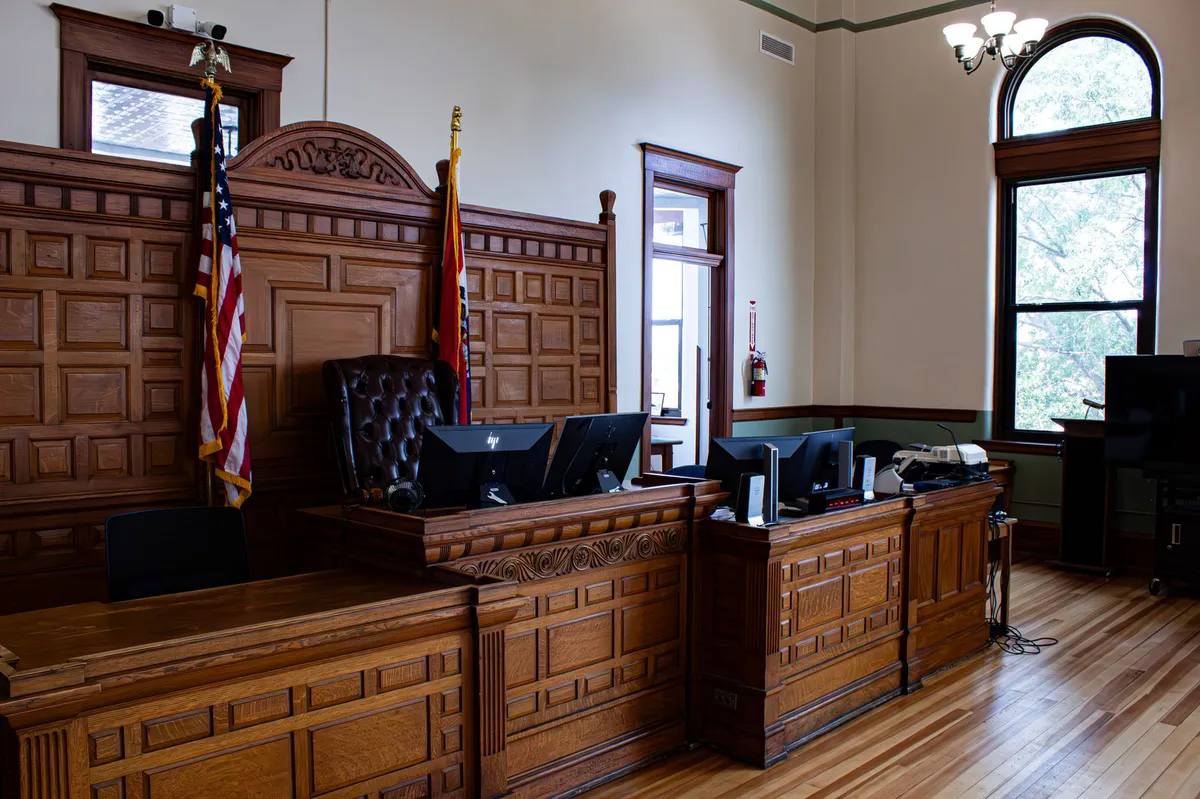
Threats against judges are not merely isolated incidents; they represent a growing trend that has seen increased media coverage in recent years. The judiciary plays a critical role in maintaining law and order, and threats against judges can undermine the public's confidence in the legal system. Such threats can stem from a variety of sources, including disgruntled litigants, political activists, or individuals dissatisfied with judicial rulings.
Statistical Overview
According to reports from the U.S. Marshals Service, threats against federal judges have increased significantly over the past decade. In 2021 alone, there were over 4,000 reported threats against federal judges, a stark increase from previous years. This uptick has raised concerns about the safety of those who serve in the judiciary and the broader implications for legal proceedings.
Implications of Threatening a Judge
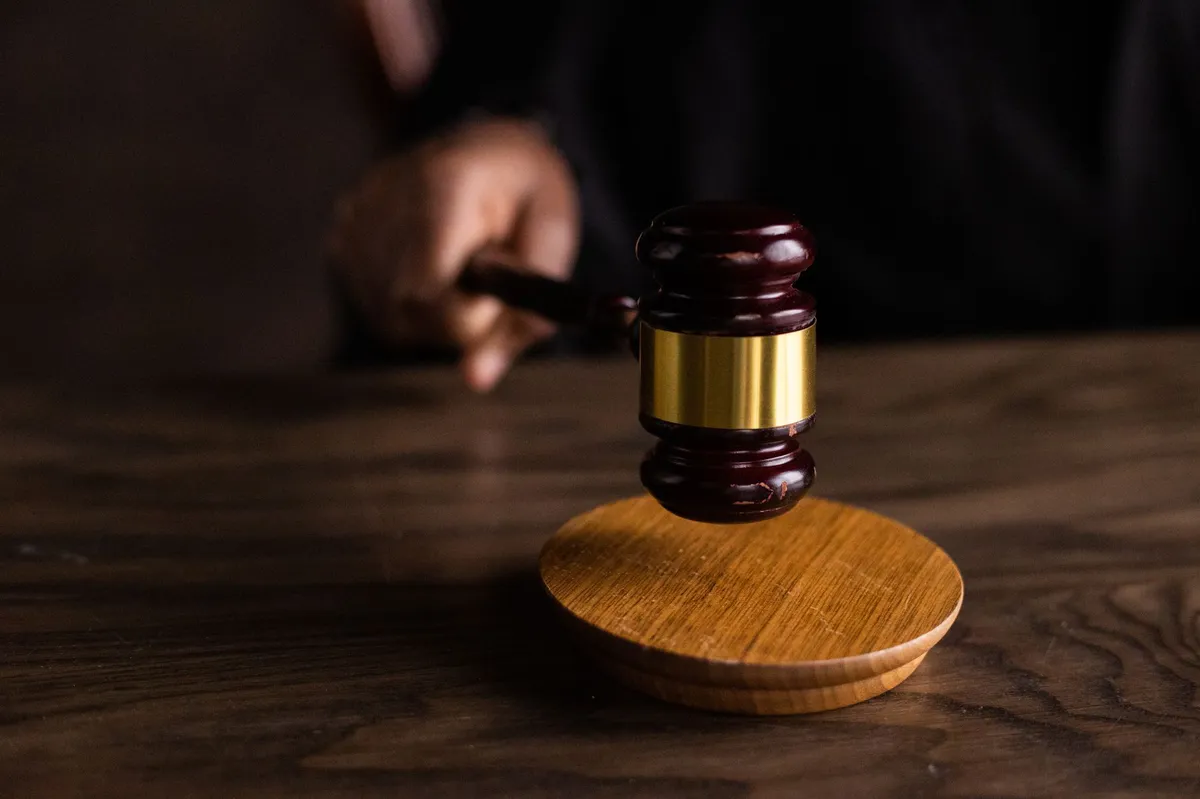
The legal ramifications for threatening a federal judge are severe. The accused in this case faces charges that could result in significant prison time if convicted. Under federal law, making threats against federal officials is a serious crime, often classified as a felony. The penalties can include lengthy prison sentences, hefty fines, and a permanent criminal record.
Understanding the Charges
In this specific case, the prosecution will likely focus on establishing the intent behind the threat. The legal standard involves demonstrating that the accused had a genuine intent to carry out the threat or that the victim, in this case, the judge, had a reasonable fear for their safety. The prosecution may present evidence such as text messages, social media posts, or witness testimonies that illustrate the defendant's mindset at the time of the threat.
The Role of the Defense
On the other side of the courtroom, the defense will have a challenging task. They may argue that the statements made by the accused were taken out of context, or they could assert that there was no real intent to harm the judge. This defense strategy hinges on the interpretation of the accused's words and actions leading up to the charges.
Legal Strategies
Defense attorneys may employ various legal strategies, including:
- Contextual Analysis: Demonstrating that the statements were made in jest or frustration rather than as a serious threat.
- Lack of Intent: Arguing that the accused did not intend to carry out any harm.
- First Amendment Defense: Claiming that the statements fall under protected speech, although this is often a challenging argument in the context of threats.

Public Reaction and Media Coverage
The public's reaction to threats against judges tends to be one of alarm and concern. Many view such threats as an attack on democracy itself, as judges are tasked with making impartial decisions that uphold the law. Media coverage of this trial will likely focus on the broader implications of the case, including its potential impact on judicial safety and public trust in the legal system.
Impact on Judicial Independence
Judicial independence is a cornerstone of democracy, and threats against judges can erode this principle. When judges are pressured or threatened, it can lead to self-censorship or reluctance to make bold decisions that may be unpopular. This chilling effect can have far-reaching consequences for justice and the rule of law.
Key Takeaways
- The defendant faces serious charges for threatening a federal judge.
- Threats against judges have increased significantly in recent years.
- Legal ramifications for such threats can include severe penalties, including prison time.
- The defense will likely argue against the intent and context of the accused's statements.
- This case underscores the importance of judicial safety and independence.
Frequently Asked Questions
What are the legal consequences of threatening a federal judge?
Threatening a federal judge is a serious offense under U.S. law, classified as a felony. Convictions can lead to substantial prison sentences, fines, and a permanent criminal record that can affect future employment and civil rights.
How can threats against judges impact the judicial system?
Threats against judges can undermine judicial independence and create a chilling effect, where judges may hesitate to make bold rulings for fear of backlash. This erosion of confidence in the judiciary can ultimately harm the integrity of the legal system.
What defenses are available for someone accused of threatening a judge?
Defendants may argue that their statements were taken out of context, that they lacked intent to harm, or that their comments were protected under the First Amendment. However, these defenses can be challenging to prove, especially in cases involving direct threats.
Why is judicial safety important?
Judicial safety is crucial for maintaining the rule of law and public trust in the legal system. When judges are threatened, it can lead to self-censorship and reluctance to make fair, impartial decisions. Ensuring the safety of judicial officials is essential for a functioning democracy.
This content is general information and not legal advice.
Comments
Google's $351 Million Settlement: A Landmark Decision in UK Competition Law
Google's recent $351 million settlement with UK app developers marks a significant development in competition law, yet the path to actual payouts remains complex. This article explores the implications, challenges, and potential outcomes of this agreement.

Related articles





Popular in Business Law
- Supreme Court Justices' Financial Disclosures: A Closer Look
- Vishal Garg's Leadership Fallout: The Rise and Fall of Better.com
- Former Intelligence Official Faces Penalty for Post-Government Misconduct
- Blank Rome Faces Lawsuit After Major Data Breach Exposes Personal Information
- Congress Faces Reckoning Over Member-Staff Relationships