Legal Challenges Surround Trump Presidential Library: Immunity and Standing at the Forefront
A Florida judge's recent ruling on the Trump Presidential Library lawsuit highlights critical legal principles regarding immunity and standing. This article explores the implications of the decision and its potential impact on future cases involving presidential foundations.
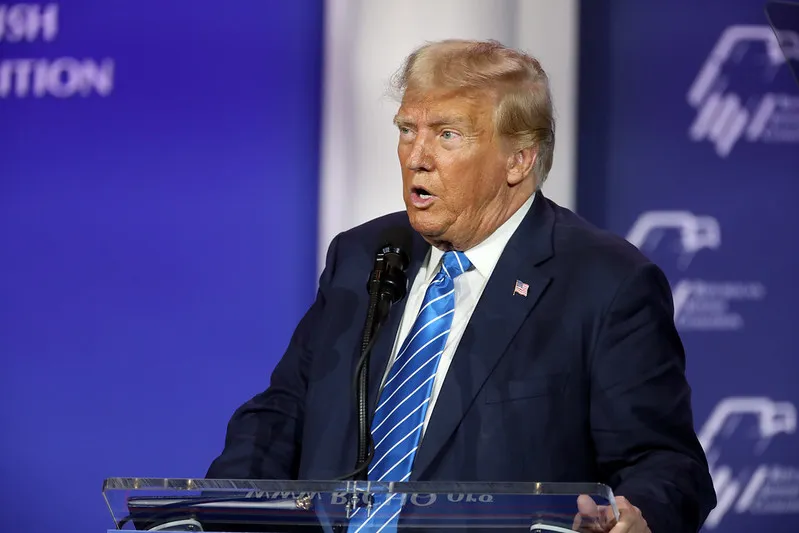
The legal landscape surrounding the Donald J. Trump Presidential Library Foundation has become increasingly complex as a federal judge in Florida weighs critical defenses poised to potentially dismiss a lawsuit against it. This case, which has been the subject of significant media attention, raises crucial questions about presidential immunity, legal standing, and the broader implications of such lawsuits on presidential foundations.
In a ruling by U.S. District Judge Rodolfo A. Ruiz II, appointed by Trump himself, the court has placed a temporary injunction on any discovery proceedings related to this case. The judge's decision underscores a key legal principle: the necessity to resolve immunity and standing issues before further progress can be made. This ruling indicates that even as the plaintiffs seek to challenge the foundation's operations, significant legal hurdles must first be overcome, which could ultimately lead to the dismissal of the case.

The Core of the Case: Allegations Against the Trump Library Foundation
The lawsuit, initiated in May by nonprofit Dunn’s Overtown Farms and co-plaintiff Carmen Salcedo, raises serious allegations regarding the Trump Presidential Library Foundation's intentions and the legality of its operations. Central to their claim is the assertion that a parcel of land—currently a parking lot at Miami-Dade College—has been earmarked for a new hotel rather than the promised presidential library, undermining the foundation’s stated mission.
Constitutional Implications
The plaintiffs argue that the land, valued at approximately $300 million and given to the foundation by Florida Republicans, constitutes a violation of the Emoluments Clause of the U.S. Constitution. This clause prohibits presidents from receiving any presents, emoluments, or titles from foreign states or entities without the consent of Congress.
Furthermore, the involvement of Eric Trump, one of the named trustees of the foundation, raises additional questions about potential conflicts of interest. The plaintiffs contend that his role may imply a direct or constructive benefit to the president, which could violate the Emoluments Clause.
- **Lawsuit filed by:** Dunn’s Overtown Farms and Carmen Salcedo
- **Value of disputed land:** Approximately $300 million
- **Key allegation:** Land intended for a hotel instead of a library
- **Constitutional concern:** Potential violation of the Emoluments Clause
- **Trustee involvement:** Eric Trump, raising conflict of interest issues

Understanding Immunity and Standing
At the heart of Judge Ruiz's decision to halt discovery proceedings are the legal concepts of immunity and standing. The Justice Department, representing Trump and the library foundation, has raised defenses based on both Presidential and Eleventh Amendment immunities. These legal doctrines are designed to protect government officials and entities from certain legal actions, thereby allowing them to perform their official duties without the constant threat of litigation.
Presidential Immunity
Presidential immunity is grounded in the idea that the president must have the ability to carry out their duties without undue interference from the judicial system. If the court finds that Trump is entitled to this immunity, it could lead to the dismissal of the entire lawsuit.
Eleventh Amendment Immunity
The Eleventh Amendment provides states with immunity from being sued in federal court by citizens of another state or country. This defense is typically invoked by state officials and agencies, but its applicability in this case suggests that the library foundation may also be seeking protection under this constitutional provision.

The Judge's Rationale: A Cautious Approach
Despite the plaintiffs' arguments advocating for limited discovery to gather evidence supporting their case, Judge Ruiz acknowledged that such requests are generally favored in legal proceedings. However, he ultimately sided with the need to address the immunity defenses first. This cautious approach reflects the complexities inherent in cases involving high-profile public figures and their associated foundations.
Ruiz noted that advancing the case without resolving the immunity issues could burden the administration unnecessarily, especially if the defenses prove successful. This decision not only delays the plaintiffs' ability to gather evidence but also emphasizes the weight of the legal arguments presented by the defense.
Implications for Future Presidential Foundations
The outcome of this case could set a significant precedent for how presidential foundations operate and interact with state and federal laws. If the court upholds the immunity defenses, it could embolden future presidents and their foundations to engage in activities that might otherwise be scrutinized under constitutional provisions.
Conversely, if the plaintiffs succeed in overcoming the immunity hurdles, it could open the floodgates for further legal challenges against presidential foundations, potentially reshaping the legal landscape surrounding their operations.

Key Takeaways
- Judge Ruiz's ruling halts discovery in the Trump Library lawsuit.
- The case raises critical questions about presidential and Eleventh Amendment immunities.
- The lawsuit alleges constitutional violations related to the Emoluments Clause.
- Eric Trump's involvement as a trustee may indicate potential conflicts of interest.
- The outcome could influence future legal frameworks governing presidential foundations.
Frequently Asked Questions
What is the Emoluments Clause and why is it significant in this case?
The Emoluments Clause is a provision in the U.S. Constitution that prohibits federal officeholders from receiving gifts, payments, or benefits from foreign states or entities without congressional approval. In this case, the plaintiffs argue that the land donation to the Trump Library Foundation constitutes an impermissible benefit, which could set a precedent for how similar cases are treated in the future.
What does it mean for a lawsuit to be dismissed based on immunity?
A dismissal based on immunity suggests that the court has determined that the defendant is protected from being sued due to their official capacity or position. If the court finds that the defendants in this case are entitled to presidential or Eleventh Amendment immunity, the lawsuit may be dismissed without proceeding to trial, potentially curtailing the plaintiffs' ability to pursue justice.
How does this case affect the operations of presidential foundations?
The outcome of this case could have far-reaching implications for presidential foundations, as it may establish new legal expectations for transparency, accountability, and compliance with constitutional laws. A ruling that favors the plaintiffs could encourage more scrutiny of presidential activities and the foundations tied to them.
Is there a precedent for similar lawsuits against presidential foundations?
While lawsuits involving presidential foundations are not common, they have occurred in the past, especially in cases where constitutional violations are alleged. The outcome of this case could contribute to the body of case law regarding such foundations, influencing future challenges and the operational frameworks of these entities.
Disclaimer: This content is general information, not legal advice.
Comments
Wisconsin Congressman Survives Emergency Plane Landing in Lake
Rep. Tom Tiffany recounts a near-fatal plane crash into Lake Wausau, expressing gratitude for survival while highlighting the need for safety in aviation.

Related articles
Popular in Business Law
- Supreme Court Justices' Financial Disclosures: A Closer Look
- Vishal Garg's Leadership Fallout: The Rise and Fall of Better.com
- Former Intelligence Official Faces Penalty for Post-Government Misconduct
- Blank Rome Faces Lawsuit After Major Data Breach Exposes Personal Information
- Congress Faces Reckoning Over Member-Staff Relationships