Brazil's Supreme Court Crisis: Implications for Democracy and the Presidential Race
A rift among justices in Brazil's Supreme Court has escalated into an institutional crisis impacting the upcoming presidential election. This article delves into the conflict, its roots, and what it means for Brazil's democratic institutions.
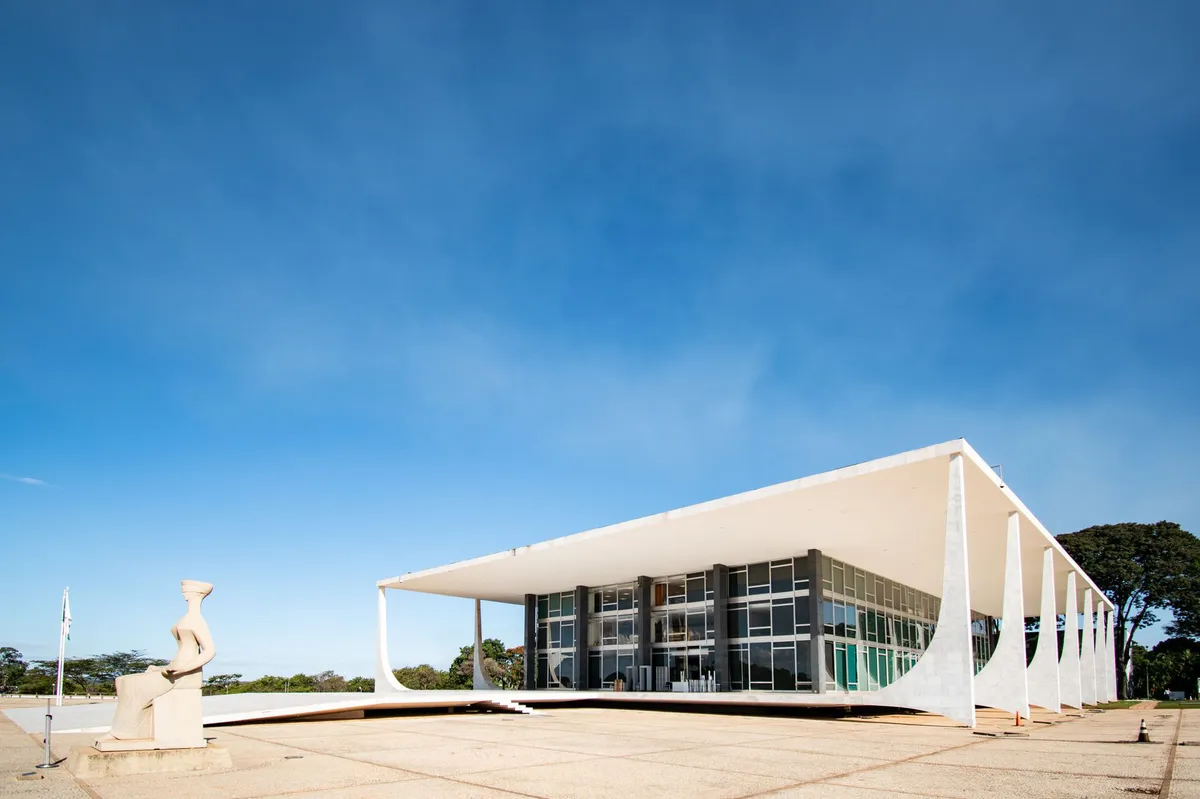
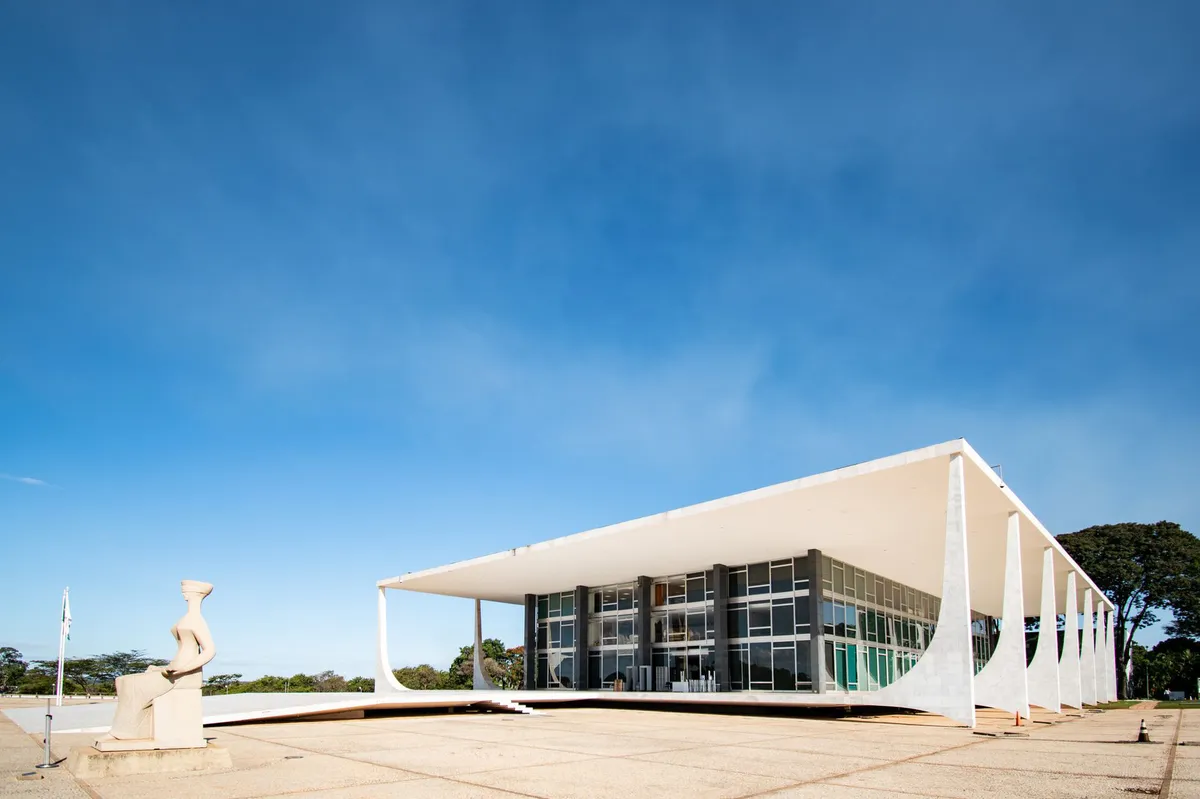
In the heart of a political storm, Brazil's Supreme Court finds itself embroiled in an unprecedented crisis, one that not only threatens its own credibility but also reverberates through the nation's political landscape as the presidential election approaches. The conflict, which has paralyzed the court's operations, has become a focal point of the campaigns for the upcoming October 4 elections, intertwining judicial integrity with electoral ambitions.
The clash centers on two justices: Alexandre de Moraes, appointed by former President Michel Temer in 2017, and André Mendonça, appointed by Jair Bolsonaro in 2021. Their feud has escalated swiftly, drawing in candidates and their supporters as they leverage the situation to rally voters and frame their positions ahead of the critical vote.
The Roots of the Conflict
The discord can be traced back to a series of contentious judicial actions and allegations of misconduct. On September 1, Mendonça released messages from Daniel Vorcaro, the former owner of Banco Master, a financial institution embroiled in a fraud investigation. These messages raised questions about the integrity and impartiality of the justices involved, particularly de Moraes, who was referenced in discussions about the investigation and a significant contract linked to his wife's law firm.
As the situation escalated, de Moraes retaliated by requesting an investigation into Mendonça for potential abuse of authority, further deepening the rift. The judiciary's internal conflicts underscored a broader issue of institutional integrity, with both justices employing judicial rulings to attack one another, thus eroding public trust in the court as an impartial arbiter.
The Political Fallout
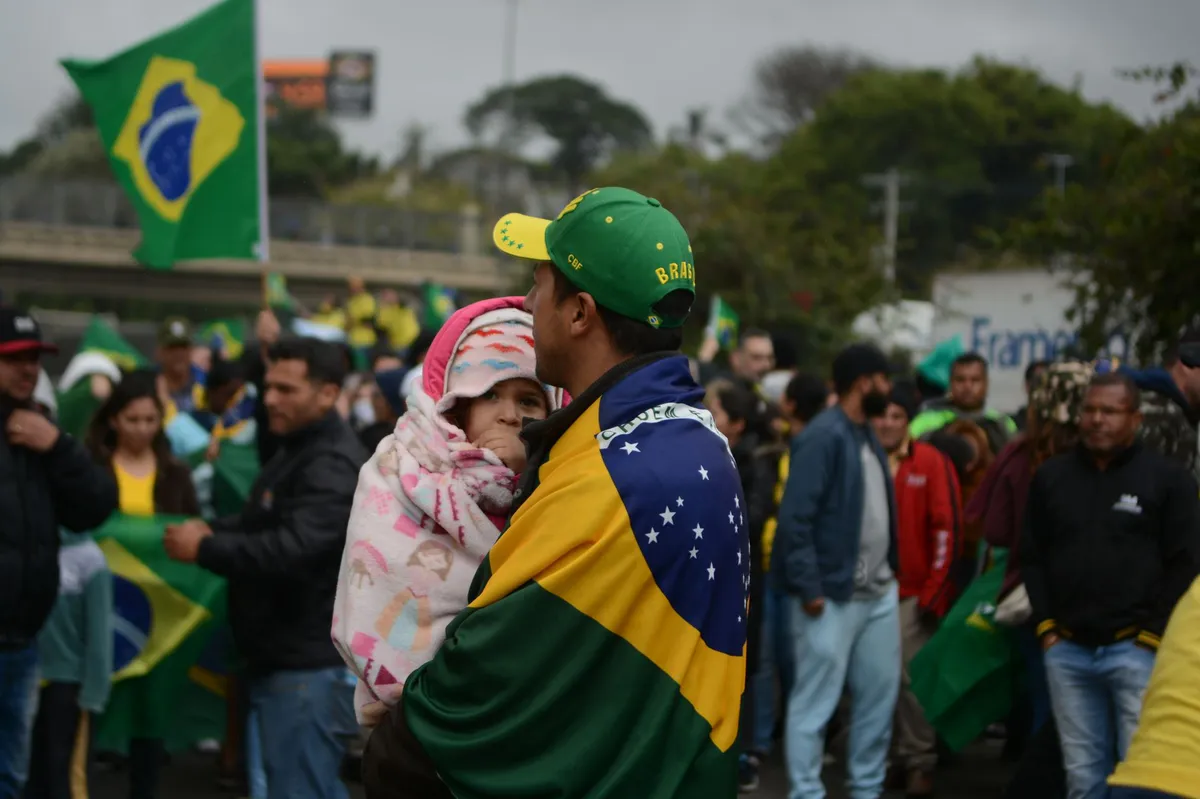
As tensions peaked, the Supreme Court's crisis spilled into the political arena. During Brazil's Independence Day celebrations, presidential candidate Flávio Bolsonaro, the son of former President Jair Bolsonaro, used the opportunity to link incumbent President Luiz Inácio Lula da Silva to de Moraes, stating, "Whoever votes for Lula votes for Alexandre de Moraes." This accusation aims to sway public opinion, positioning Lula as a candidate aligned with a justice perceived as controversial.
Flávio Bolsonaro's campaign promises to reshape the Supreme Court, should he secure victory, added another layer of complexity to the situation. He vowed to appoint more justices, explicitly stating that de Moraes would be removed, which raises critical questions about the future independence of the judiciary and the role it plays within Brazil's democratic framework.
The Role of the Judiciary in Brazilian Politics
The judiciary in Brazil has evolved into a powerful entity since the return to democracy in 1985, often stepping in to resolve political crises when other institutions appear incapable or unwilling to act. According to João Feres, a professor at the Institute of Social and Political Studies at Rio de Janeiro State University, the judiciary's authority has grown, especially during periods when political factions have attempted to undermine democratic processes.
As the Workers' Party, led by Lula, began to gain traction and solidify its political power, opposition groups sought to challenge its legitimacy through judicial means. The Supreme Court, when faced with attacks on democratic institutions during Bolsonaro's presidency, took on a protective role, reinforcing the importance of judicial independence.
However, the current crisis threatens this fragile balance. The Supreme Court's dual role — as both a protector of democracy and a participant in political disputes — places it under scrutiny, raising concerns about its ability to function impartially.
Implications for the Upcoming Election
The outcome of the upcoming election will have significant consequences not only for the presidency but also for the future of the justices embroiled in this conflict. Brazilians will also elect 54 of the 81 senators, who hold the power to impeach Supreme Court justices. A victory for Flávio Bolsonaro could open the door for an impeachment effort against de Moraes, particularly if the Senate president aligns with Bolsonaro's political agenda.
Conversely, if Lula wins and Davi Alcolumbre is re-elected as Senate president, de Moraes may find himself in a more secure position, allowing him to continue his role on the court. The stakes could not be higher, as the judiciary's legitimacy and the continued health of Brazil's democracy rest on the outcome of this election.
Seeking Transparency and Accountability
In light of the ongoing crisis, both Lula and legal analysts are calling for greater transparency within the judicial proceedings surrounding the Banco Master investigation. Lula criticized what he termed "selective leaks" that could skew public perception during the election, emphasizing the need for the public to have access to the full truth behind the events leading to the current judicial turmoil.
Felipe Recondo, co-founder of JOTA, a news platform focused on Brazil’s judiciary, highlights the risks of institutional breakdown within the Supreme Court as justices navigate their conflicts publicly. The erosion of the court's credibility not only undermines its authority but also poses a threat to the democratic institutions that rely on judicial impartiality.
Key Takeaways
- The Supreme Court crisis in Brazil threatens its credibility and independence.
- Judicial conflicts have spilled into the presidential campaigns, influencing voter perceptions.
- The outcome of the October 4 election could reshape the Supreme Court's composition.
- Calls for transparency highlight the need for accountability within the judiciary.
- The judiciary's role as a protector of democracy is increasingly scrutinized amid political tensions.
Frequently Asked Questions
What caused the Supreme Court crisis in Brazil?
The crisis originated from a conflict between Justices Alexandre de Moraes and André Mendonça, which escalated following Mendonça's release of messages related to a fraud investigation involving Banco Master. De Moraes's subsequent request for an investigation into Mendonça for alleged misconduct exacerbated tensions, leading to a paralysis of the court's operations.
How does this crisis affect the presidential election?
The ongoing crisis has become a pivotal campaign issue, with candidates using the judicial conflict to frame their positions. Flávio Bolsonaro's efforts to link Lula to de Moraes highlights the political implications of the judiciary's actions, as both sides seek to sway public opinion ahead of the election.
What are the potential outcomes of the election for the Supreme Court justices?
The election's outcome could significantly impact the future of the justices involved in the conflict. A victory for Flávio Bolsonaro could lead to impeachment efforts against de Moraes, while a Lula victory could strengthen de Moraes's position if aligned with a supportive Senate president.
Why is transparency important in this context?
Transparency is crucial to restoring public trust in the judiciary, especially amidst allegations of selective leaks and manipulation of information. Calls for accountability and openness in the judicial process are essential to ensuring that the Supreme Court maintains its legitimacy and continues to act as a protector of democratic principles in Brazil.
This content is general information and not legal advice.
Comments
Navigating International Expansion: Key Considerations for Businesses
Expanding into international markets offers significant opportunities, but it also presents unique challenges. From understanding legal frameworks to cultural nuances, this guide explores essential considerations for successful global expansion.

Related articles




Popular in Business Law
- Supreme Court Justices' Financial Disclosures: A Closer Look
- Vishal Garg's Leadership Fallout: The Rise and Fall of Better.com
- Former Intelligence Official Faces Penalty for Post-Government Misconduct
- Blank Rome Faces Lawsuit After Major Data Breach Exposes Personal Information
- Congress Faces Reckoning Over Member-Staff Relationships