The 30 by 30 Initiative: A Deep Dive Into Ocean Protection Challenges
Despite ambitious goals to protect 30% of Earth’s oceans by 2030, experts warn that current efforts are inadequate. This article explores the hurdles and realities of marine conservation.
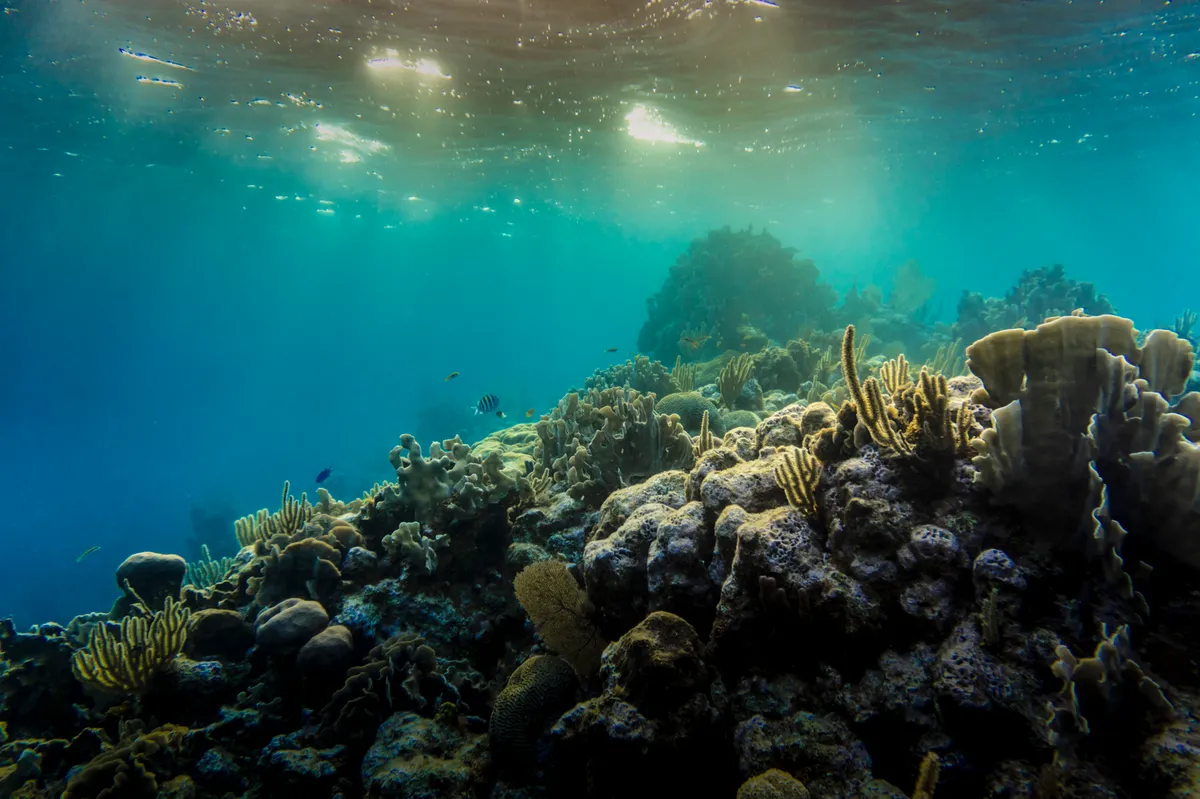
The oceans, covering over 70% of our planet, are vital to sustaining life on Earth. As biodiversity loss accelerates and the impacts of climate change intensify, initiatives to protect these waters have gained prominence on the global stage. The United Nations (UN) has set an ambitious goal to protect 30% of the Earth’s oceans by 2030, a target many see as crucial to halting the decline of marine ecosystems. However, a recent study by Australian researchers suggests that this goal may be overly optimistic and fundamentally flawed in its approach.
The study, published in the journal Proceedings of the National Academy of Sciences, casts doubt on the effectiveness of Marine Protected Areas (MPAs), which are designated zones aimed at conserving marine biodiversity. Researchers argue that focusing merely on the total area of ocean marked as protected does not guarantee actual conservation outcomes. With less than seven years until the 2030 deadline, the implications of this research are dire, raising questions about the integrity of our oceans and the policies designed to safeguard them.
Understanding Marine Protected Areas
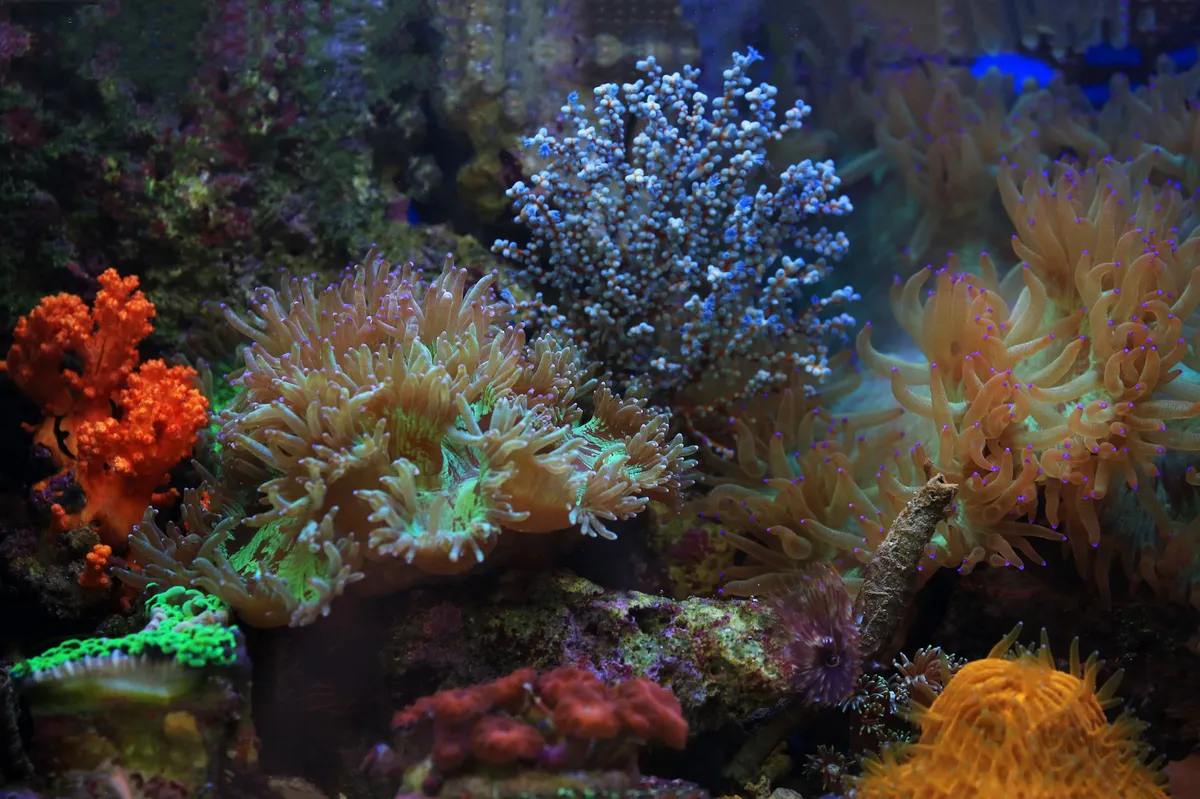
Marine Protected Areas (MPAs) are intended to safeguard marine ecosystems from threats such as overfishing, habitat destruction, and pollution. The concept of MPAs is straightforward: by restricting human activities in certain areas, we can allow marine biodiversity to recover and flourish. However, as the Australian-led study points out, not all MPAs are effective in achieving these goals.
The Reality of MPAs
While the UN’s 30 by 30 initiative aims to protect 30% of the planet's oceans, the reality is that many MPAs suffer from inadequate enforcement and poor compliance with regulations. The researchers found that a staggering number of MPAs either lack meaningful restrictions on fishing or are routinely undermined by illegal fishing activities. These challenges highlight a pervasive issue in conservation efforts: the difference between protected areas on paper and their actual effectiveness in preserving marine life.

Assessing Effectiveness: A Quantitative Approach
The study evaluated fish populations across 552 MPA zones, focusing on shallow coral and rocky reef areas. Their findings reveal a concerning trend: only about 24% of these MPAs effectively support biodiversity. More alarmingly, they estimated that less than 2% of the oceans currently receive meaningful protection for biodiversity, starkly contrasting with the 9.8% reported by UN members in relation to the Kunming-Montreal Global Biodiversity Framework.
The Scope of the Problem
This discrepancy raises critical questions about the accuracy of reporting on marine protection efforts. The researchers stress that simply designating areas as “protected” does not translate into effective conservation practices. They argue that without stringent management and enforcement, MPAs can become little more than paper parks—areas that exist in name only but fail to deliver real benefits for marine life.
The Role of Illegal Fishing and Enforcement Challenges
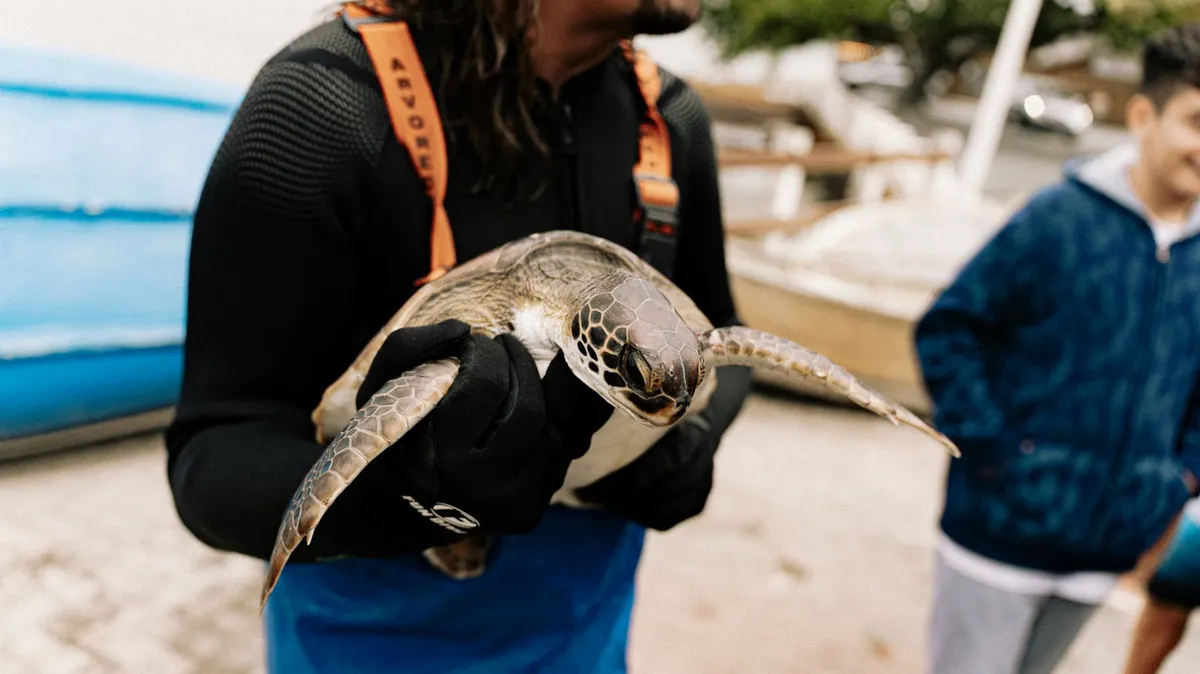
One of the most significant threats to MPAs is illegal fishing, which undermines the very purpose of these designated areas. The study emphasizes that heightened enforcement and increased social awareness are essential to making the 30 by 30 goal achievable. For instance, a robust regulatory framework that includes community involvement and education can enhance compliance and reduce illegal activities, fostering a culture of accountability in marine conservation.
Learning from Global Examples
Countries that have successfully implemented MPAs often share common characteristics: strong governance, community involvement, and effective monitoring systems. For example, the Great Barrier Reef Marine Park in Australia employs a comprehensive management strategy that includes regular assessments and community engagement to ensure compliance with regulations. Such models highlight the importance of not only establishing MPAs but also ensuring that they are actively managed and enforced.
Revisiting the 30 by 30 Ambition
As the deadline for the 30 by 30 initiative looms, the study's authors call for a reevaluation of how we measure the success of marine protection. They argue that simply counting square kilometers of protected ocean is insufficient; we must also consider the effectiveness of those protections. They liken it to implementing policies aimed at reducing carbon emissions without monitoring the actual changes in atmospheric CO2 levels—a critical oversight that can lead to misguided efforts.
Future Directions in Marine Conservation
Looking ahead, the authors suggest that while the 30 by 30 goal is ambitious, it is not unattainable. By shifting the focus from mere area designation to effective management and outcomes, we can make significant strides toward protecting marine biodiversity. This requires a concerted effort from governments, NGOs, and local communities to ensure that MPAs truly serve their intended purpose.

Key Takeaways
- Current protections fall short: Less than 2% of the ocean currently receives meaningful biodiversity protection.
- MPA effectiveness is variable: Only 24% of Marine Protected Areas are deemed effective according to recent research.
- Illegal fishing undermines efforts: Heightened enforcement and community involvement are essential for successful conservation.
- 30 by 30 is ambitious, but possible: Shifting focus to effective management could help achieve conservation goals.
Frequently Asked Questions
What is the 30 by 30 initiative?
The 30 by 30 initiative is a global effort led by the United Nations aiming to protect 30% of Earth’s oceans and land by the year 2030. This goal is part of broader efforts to halt biodiversity loss and combat climate change. The initiative encourages countries to designate protected areas that can foster recovery and resilience in ecosystems.
Why are Marine Protected Areas important?
Marine Protected Areas (MPAs) are critical for conserving marine biodiversity and ecosystems. They serve as sanctuaries for various species, allowing populations to recover from overfishing, habitat destruction, and pollution. By restricting human activities in designated areas, MPAs can enhance the resilience of marine ecosystems to climate change and other stressors, ultimately supporting the health of the oceans.
What challenges do MPAs face?
Despite their intended purpose, many MPAs face significant challenges that hinder their effectiveness. These include inadequate enforcement of regulations, illegal fishing activities, and lack of compliance by stakeholders. Additionally, the focus on merely establishing protected areas without ensuring their management and effectiveness can lead to a false sense of security regarding marine conservation.
How can we improve marine conservation efforts?
Improving marine conservation efforts requires a multifaceted approach. This includes increasing enforcement against illegal fishing, fostering community involvement in management, and implementing effective monitoring systems. Additionally, raising public awareness about the importance of marine conservation can drive support for policies that protect our oceans and ensure that MPAs deliver real benefits for marine biodiversity.
This content is general information, not legal advice.
Comments
Popular in Business Law
- Supreme Court Justices' Financial Disclosures: A Closer Look
- Vishal Garg's Leadership Fallout: The Rise and Fall of Better.com
- Former Intelligence Official Faces Penalty for Post-Government Misconduct
- Blank Rome Faces Lawsuit After Major Data Breach Exposes Personal Information
- Congress Faces Reckoning Over Member-Staff Relationships