Federal Judge Demands Transparency on Trump's $1.8 Billion Fund
A federal judge has ordered the Trump administration to disclose the architects behind a controversial $1.8 billion 'anti-weaponization' fund. This legal decision raises questions about accountability and transparency in government spending.
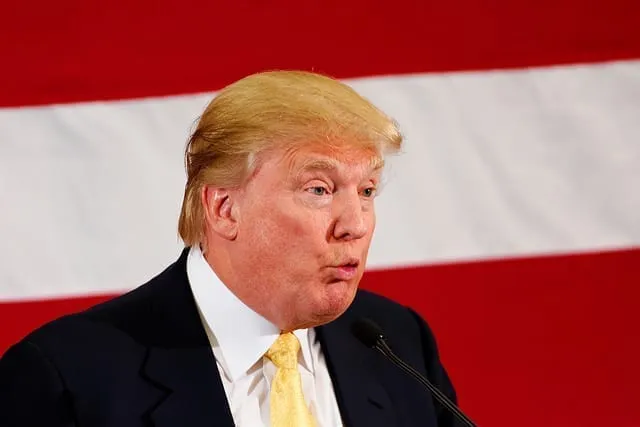
The landscape of political funding and accountability is under scrutiny once again, as a federal judge has mandated the Trump administration to disclose the identities of individuals responsible for creating a controversial $1.8 billion fund aimed at addressing perceived injustices related to the government’s treatment of certain individuals. This order, issued by U.S. Magistrate Judge Ivan D. Davis of the Eastern District of Virginia, represents a significant step toward greater transparency in how taxpayer funds are allocated and the motives behind their use. The fund, labeled as the ‘anti-weaponization’ fund, has drawn attention not only for its size but also for its intended beneficiaries, raising numerous legal and ethical questions.
At the center of this legal battle is Democracy Forward, a nonprofit organization advocating for government accountability, which is representing the plaintiffs in this case. Aman George, senior counsel at the organization, stated that the order is a crucial advancement in uncovering what he termed a “slush fund,” emphasizing their commitment to continuing legal action until the fund is completely dismantled. The judge’s decision to grant discovery reflects a growing trend in legal circles to challenge government actions that lack transparency and accountability.

The Controversial Origins of the Fund
The origins of the ‘anti-weaponization’ fund can be traced back to a settlement agreement involving President Donald Trump, members of his family, the Trump Organization, and the Internal Revenue Service (IRS). Established as a part of this settlement, the fund was designed to allocate approximately $1.8 billion in taxpayer dollars for compensating individuals who claimed to have suffered from what they termed “weaponization” and “lawfare” during previous presidential administrations.
Critics of the fund highlight its controversial nature, particularly the implications of compensating individuals connected to the January 6 Capitol riots. Reports indicate that the fund was intended to provide payments to those convicted of violent crimes related to the insurrection before being pardoned by Trump. This raises ethical dilemmas about the use of taxpayer money to assist individuals involved in an attack on the democratic process itself.
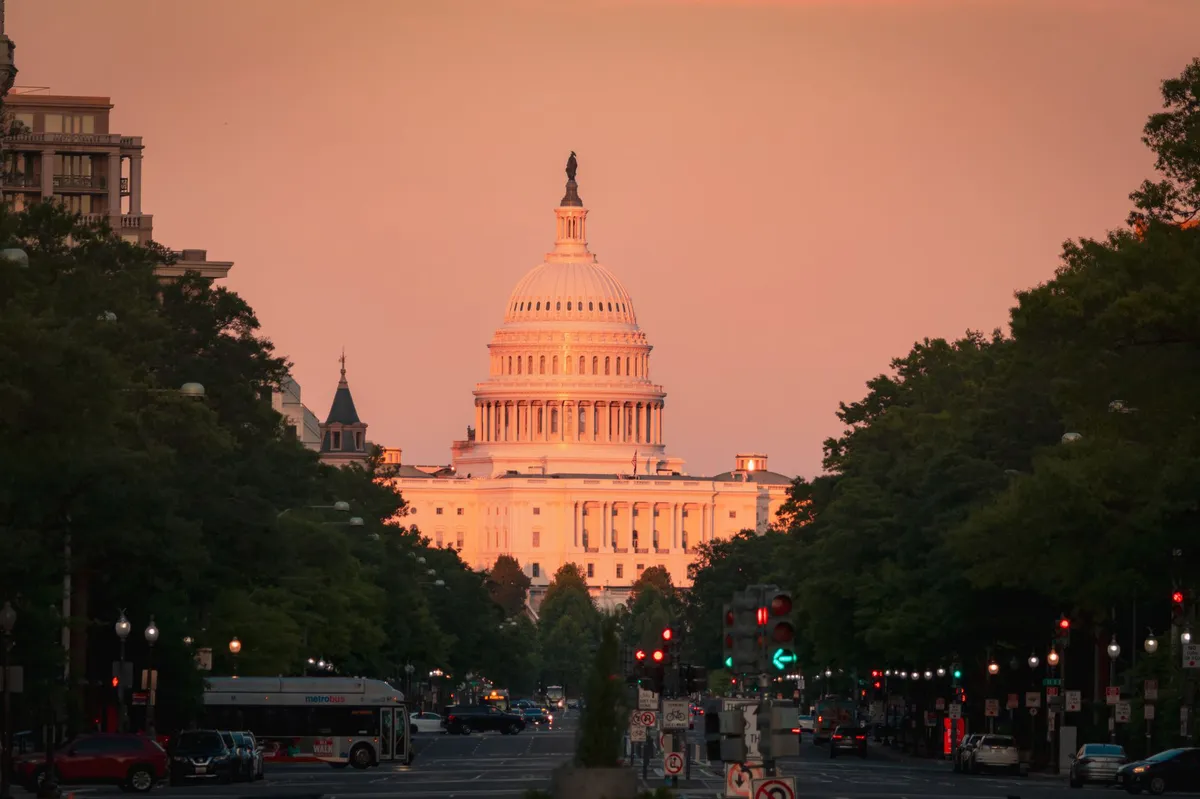
Legal Implications and Accountability
As the legal proceedings unfold, the ramifications of the judge's order extend beyond the immediate case. The ruling not only seeks to unearth the individuals behind the fund but also exposes broader issues regarding governmental accountability. The implications are significant, especially considering that Attorney General Todd Blanche has since declared the fund “dead” in a document that purportedly rescinds it. However, this declaration is complicated by the fact that it was not approved by all parties involved in the original agreement, leaving the door open for potential reinstatement in the future.
Moreover, the judge's earlier comments regarding Trump’s lawsuit against the IRS reveal a growing frustration within the judiciary about the perceived misuse of government resources and the manipulation of legal frameworks for personal gain. This case exemplifies how political narratives can intertwine with legal proceedings, creating a complex landscape for judges and lawyers alike.
Public Reaction and Political Ramifications
The public's response to the 'anti-weaponization' fund has been mixed, reflecting the polarized nature of American politics. Supporters of Trump argue that the fund is a necessary measure to right past wrongs, asserting that many of his supporters faced undue legal repercussions for their political beliefs. Conversely, critics view the fund as a dangerous precedent—an attempt to use taxpayer resources to support individuals engaged in violent political actions.
During a cabinet meeting, Trump himself expressed disappointment over the fund's status, stating, “it is dead, but you know, I wish it weren’t,” suggesting that he still champions the idea of compensating individuals who align with his political views. This ongoing battle over the fund serves as a microcosm of the larger ideological divide within the United States, where issues of accountability, justice, and political loyalty often clash.

What Lies Ahead for the Fund?
As the legal proceedings continue, many are left wondering about the future of the ‘anti-weaponization’ fund. While Attorney General Blanche maintains that the fund is no longer active, the unresolved legal agreements and the judge’s order for disclosure imply that this issue is far from over.
The potential for the fund to be revived remains a contentious topic, especially given that Trump has not shied away from voicing his support for it. This raises critical questions about the role of the judiciary in regulating political funding and the extent to which political leaders can leverage taxpayer money for personal or partisan objectives.
Key Takeaways
- A federal judge has ordered the Trump administration to disclose the architects of the $1.8 billion fund.
- The fund was intended to compensate individuals claiming “weaponization” under previous administrations.
- Attorney General Todd Blanche declared the fund “dead,” but legal agreements may allow for its revival.
- The fund has sparked public debate about accountability and the use of taxpayer funds.
- Ongoing legal battles reflect a broader struggle for transparency in government actions.
Frequently Asked Questions
What was the purpose of the $1.8 billion anti-weaponization fund?
The fund was established as part of a settlement agreement involving President Trump and aimed at compensating individuals who claimed to have suffered due to governmental actions, particularly those tied to political persecution or legal challenges. This included potential payments to individuals involved in the January 6 Capitol riots, raising ethical concerns regarding the allocation of taxpayer dollars.
What does the judge's order entail?
The order requires the Trump administration to disclose the names of the individuals involved in the fund's creation. This move is seen as a crucial step toward ensuring accountability and transparency in how government resources are managed. It also reflects a growing trend of judicial scrutiny over political and governmental actions that lack public oversight.
Can the fund be reinstated after being declared “dead”?
Although Attorney General Blanche has stated that the fund is no longer active, the original agreement’s terms were not unanimously approved by all signatories. This opens the possibility that the fund could be reinstated in the future, depending on political developments and legal interpretations of the agreements.
How does this case reflect broader issues in American politics?
This legal confrontation highlights the ongoing tension between political accountability and the use of government resources for partisan purposes. As public trust in government institutions wanes, cases like this prompt a reexamination of the systems in place to ensure that taxpayer funds are utilized ethically and transparently.
This content is general information and not legal advice.
Comments
Exploring Legal Concepts Through a Sci-Fi Lens: Insights from the World Science Fiction Convention
At this year's World Science Fiction Convention, intriguing discussions unfolded on the intersection of law and speculative fiction. From AI's impact on democracy to the quirky implications of undead entities, the panels provided a unique blend of legal discourse and imaginative storytelling.

Related articles


Popular in Business Law
- Supreme Court Justices' Financial Disclosures: A Closer Look
- Vishal Garg's Leadership Fallout: The Rise and Fall of Better.com
- Former Intelligence Official Faces Penalty for Post-Government Misconduct
- Blank Rome Faces Lawsuit After Major Data Breach Exposes Personal Information
- Congress Faces Reckoning Over Member-Staff Relationships