New Insights into Alzheimer’s: Immune Cells Outside the Brain May Drive Damage
Recent research suggests that the neurodegeneration associated with Alzheimer’s disease may originate from immune cells activated outside the brain, offering new avenues for treatment.
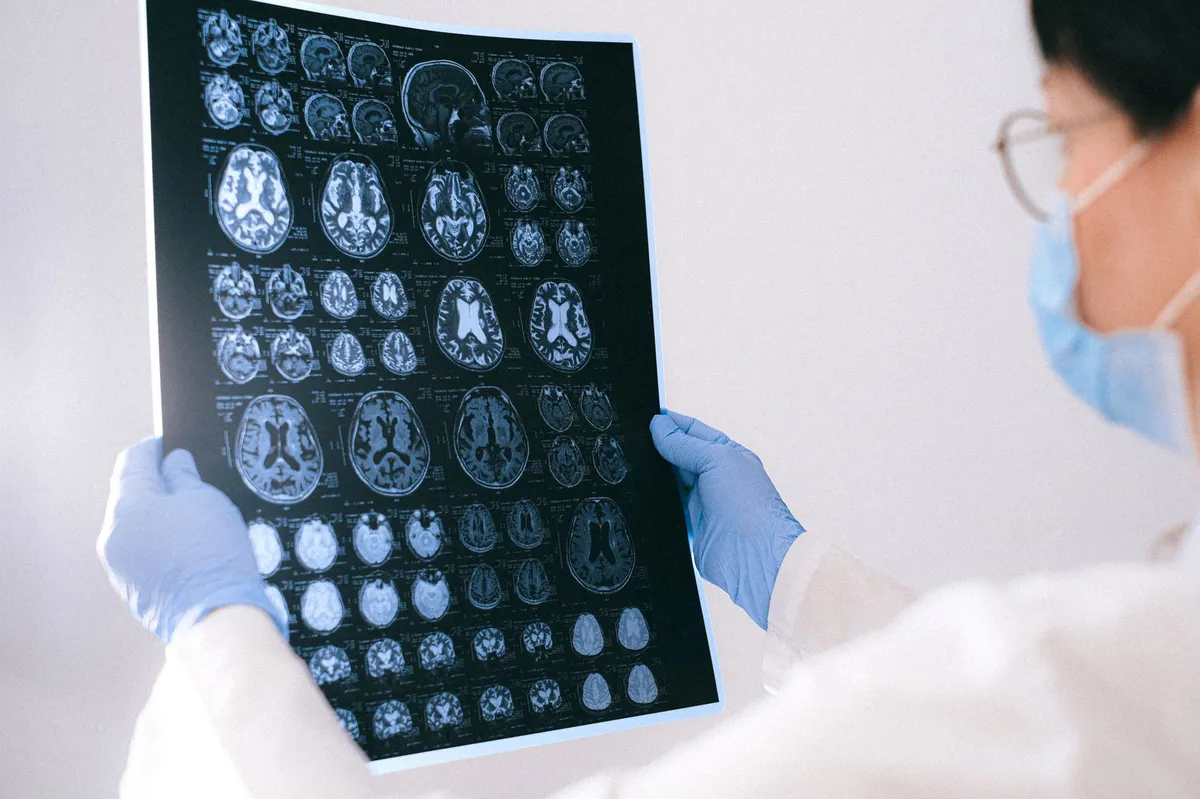
Alzheimer's disease, a leading cause of dementia, has long been characterized by the accumulation of tau proteins in the brain, which disrupts neural function and leads to cognitive decline. However, groundbreaking research from Washington University School of Medicine in St. Louis suggests that the roots of this neurodegeneration could lie beyond the brain itself. This paradigm-shifting study implies that immune cells activated outside the central nervous system may play a crucial role in the disease's progression, opening up new therapeutic avenues that do not necessarily rely on targeting the brain directly.
The study, recently published in Nature Neuroscience, focuses on a particular type of immune cell known as classical dendritic cells (cDC1) and their influence on T cells, another group of immune cells that accumulate in the brains of Alzheimer's patients. Researchers found that these T cells, when activated in peripheral tissues, can migrate to the brain and contribute to neurodegenerative processes. This insight challenges the traditional view of Alzheimer’s pathogenesis and highlights the complexities of the immune response in neurodegenerative diseases.
The Role of Immune Cells in Neurodegeneration
In their study, researchers utilized genetically modified mice predisposed to Alzheimer’s-related tau pathology. They discovered that by eliminating cDC1 cells—key players in activating T cells—the number of T cells in the brain significantly decreased. This reduction correlated with less brain damage and preserved cognitive functions, despite the continued presence of tau tangles. This finding indicates that while tau proteins are essential in the pathology of Alzheimer's, the immune response, particularly involving T cells, is a separate yet critical factor in the disease's progression.

Understanding the Mechanism
David Holtzman, a professor of neurology and the study's senior author, explained that their findings suggest a two-pronged approach to understanding Alzheimer's: the buildup of tau proteins and the immune-mediated response that causes brain damage could be distinct processes. “One of the issues in developing treatments for neurological diseases is that you need to engineer your treatment so that it gets into the brain and past the blood-brain barrier,” Holtzman noted. “But we might not actually need to get the drugs into the central nervous system to mitigate neurodegeneration.”
Implications for Future Research and Treatment
The implications of this research extend beyond academic interest and into the realm of potential treatments for Alzheimer’s disease. Given that manipulating T cells could impact neurodegeneration, the study opens up new possibilities for therapeutic interventions that target the peripheral immune system rather than focusing solely on the brain. Current Alzheimer’s treatments often struggle with the challenge of crossing the blood-brain barrier, which can limit their efficacy. However, if the immune response can be modulated outside the brain, it may be possible to slow the progression of the disease without needing to directly affect brain tissue.
Potential Treatment Strategies
- T-cell modulation: Treatments that adjust the activity of T cells in peripheral tissues might slow the migration of these cells into the brain and reduce neurodegeneration.
- Dendritic cell targeting: Developing therapies that inhibit the activation of cDC1 cells could prevent T cell accumulation in the brain.
- Combination therapies: Using existing medications that manipulate T cell activity in conjunction with traditional Alzheimer’s drugs may enhance overall treatment efficacy.
Challenges and Considerations
While the findings are promising, there are several important considerations to keep in mind. First, the study was conducted on mice, and while they provide valuable insights, human physiology is markedly different. Establishing whether the same mechanisms occur in humans with Alzheimer’s disease will require further research. Additionally, the complexity of the immune system means that interventions aimed at reducing T cell activity must be approached cautiously to avoid unintended consequences, such as increased susceptibility to infections.
Conclusion: A New Frontier in Alzheimer’s Research
The research from Washington University marks a significant advancement in our understanding of Alzheimer’s disease and its underlying mechanisms. By shifting the focus away from the brain and considering the role of immune cells activated in peripheral tissues, scientists can explore new therapeutic pathways that may not have been previously considered. As we continue to unravel the complexities of Alzheimer’s, this study underscores the importance of a multi-faceted approach to treatment that encompasses both neurodegenerative pathology and the immune response.

Key Takeaways
- Research indicates that immune cells activated outside the brain may drive Alzheimer’s-related neurodegeneration.
- Elimination of specific immune cells in mice reduced T cell accumulation in the brain and mitigated brain damage.
- Future treatments may target the peripheral immune system rather than focusing solely on the brain.
- Human studies are necessary to confirm these findings and understand their implications.
Frequently Asked Questions
What are T cells, and why are they important in Alzheimer’s disease?
T cells are a type of white blood cell that play a central role in the immune response. In the context of Alzheimer’s disease, T cells can accumulate in the brain and contribute to neurodegeneration when activated by immune cells outside the brain. This research suggests that targeting the activation of these T cells could help mitigate the damaging effects on brain tissue.
How do dendritic cells influence T cell activity?
Dendritic cells, especially classical dendritic cells (cDC1), are crucial for initiating the immune response. They capture and present antigens to T cells, activating them to respond to threats. In the context of Alzheimer’s, cDC1 cells may activate T cells in peripheral tissues, leading to their migration to the brain and subsequent damage. By understanding this process, researchers can potentially develop therapies to prevent this activation.
What are the next steps in Alzheimer’s research based on these findings?
The next steps involve studying whether the mechanisms observed in mice also occur in humans with Alzheimer’s disease. Researchers will need to investigate the role of the peripheral immune system in human patients, which could lead to new therapeutic strategies aimed at modifying the immune response to slow the disease's progression.
Comments
Popular in Medical Malpractice
- Nevada Doctor Indicted in Alleged $95 Million Medicare Fraud Scheme
- Nationwide Recall of Thyroid Medication: What You Need to Know
- Texas Lab Settles $36.4 Million Genetic Testing Fraud Case
- Understanding Locked-In Syndrome: Legal and Care Options for Affected Families
- Misdiagnosis Tragedy: Atlanta Woman's Hysterectomy from Testing Error