Creatine and Depression: Examining the Mixed Results of Recent Studies
Recent research has explored the potential of creatine as a treatment for depression, revealing mixed results. While some studies suggest benefits, experts caution against its use as a standard therapy. This article delves into the findings and implications for those battling depression.

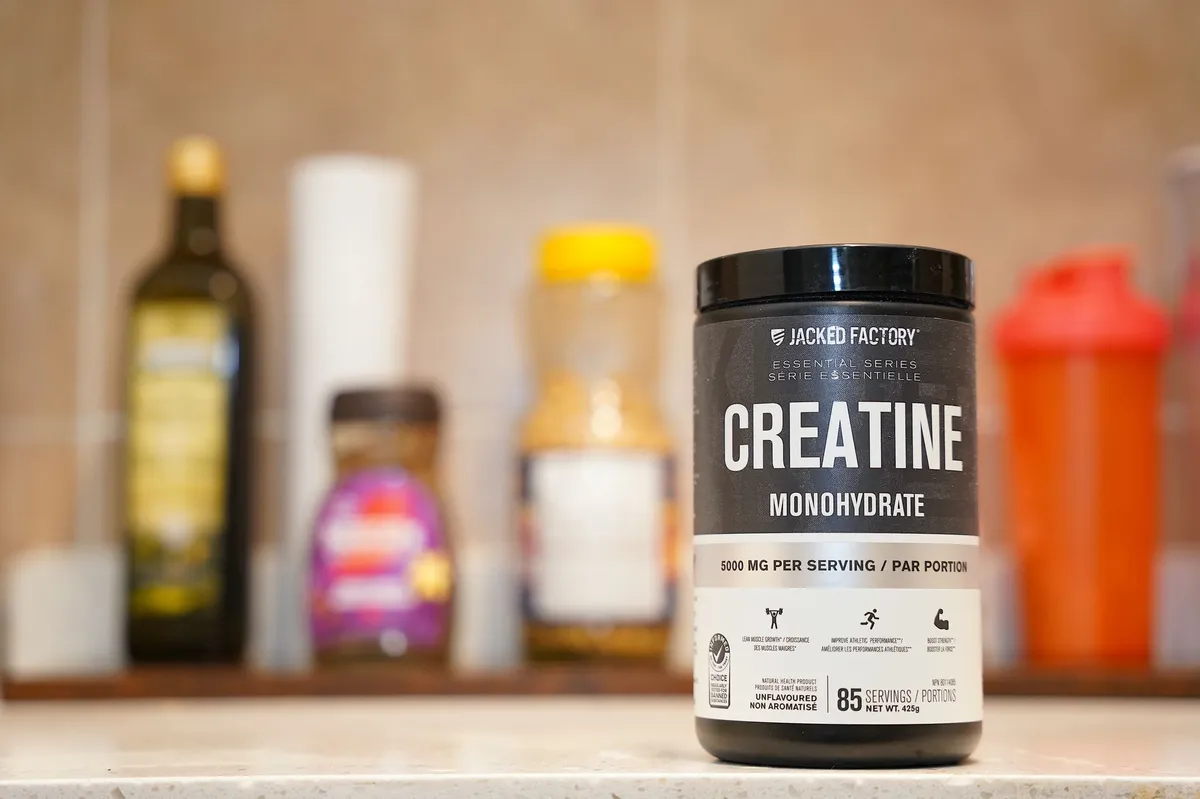
Creatine, a supplement long favored by athletes for enhancing physical performance, has recently garnered attention for its potential role in treating depression. As mental health issues continue to affect millions of Americans, the search for effective treatments is more important than ever. While early research into the use of creatine for depression shows promise, results remain inconsistent, raising questions about its efficacy and safety as a possible therapeutic option. Understanding these findings is crucial for both individuals suffering from depression and healthcare providers.
Depression is a prevalent mental health disorder characterized by persistent sadness, fatigue, and a lack of interest in daily activities. It can severely impact a person's quality of life and is often treated with a combination of therapy and medication. Yet, not every treatment works for everyone, which has spurred researchers to investigate alternative options such as creatine.
The Research Landscape on Creatine and Depression
Recent studies have evaluated the effects of creatine supplementation on individuals diagnosed with depression. A systematic review examined five clinical trials, producing a mix of results that complicate the narrative surrounding creatine's potential benefits. Two of these studies reported positive outcomes, suggesting that some participants experienced significant improvements in their depressive symptoms when combining creatine with traditional antidepressants.
Notable Findings
One particularly encouraging study focused on women diagnosed with major depressive disorder (MDD). Participants received a daily dose of five grams of creatine alongside the antidepressant escitalopram. After eight weeks, this group exhibited greater symptom improvement and a higher rate of remission compared to those taking only the medication. However, other studies within the review did not show similar benefits, particularly in groups with treatment-resistant depression, teenage girls, and individuals with bipolar disorder.
- Positive Outcomes: Some studies indicate that creatine may enhance the effectiveness of certain antidepressants.
- Neutral Results: Other research has found no significant impact of creatine on depressive symptoms.
- Target Populations: Research results vary based on demographic and diagnostic factors.
Understanding the Mechanism Behind Creatine
So, why might creatine hold potential for depression treatment? Creatine is known for its role in energy production within muscle cells, but it may also influence brain function. The brain requires a significant amount of energy to operate effectively, and disturbances in energy metabolism have been linked to the development of depression.
Potential Influences on Mood Chemistry
Researchers are particularly interested in how creatine may affect neurotransmitters like dopamine and serotonin, which are crucial in regulating mood and emotional health. If creatine can enhance energy production in the brain, it may offer relief to individuals whose depressive symptoms stem from metabolic dysfunctions.

Challenges and Safety Concerns
Despite some promising findings, experts are cautious about recommending creatine as a standard part of depression treatment. The mixed results highlight the need for further research to identify which populations might benefit from creatine supplementation. Additionally, safety concerns have emerged from the studies conducted thus far.
Monitoring for Adverse Effects
In the reviewed studies, a few participants with bipolar disorder experienced symptoms of hypomania or mania after taking creatine. Although this occurred in a small sample size, it raises important considerations about the safety of using creatine in individuals with mood disorders. More extensive studies are needed to monitor potential side effects and to identify any risk factors that could make certain populations more vulnerable.

The Implications for Individuals with Depression
For those living with depression, the notion of incorporating creatine into treatment regimens may be appealing, especially if traditional therapies have not yielded satisfactory results. However, anyone considering this option should approach it with caution and consult healthcare professionals.
Current Recommendations
Health experts advise against using creatine as a substitute for prescribed medications or therapy. Instead, it should be viewed as a potential adjunct treatment that requires further investigation. The complexity of depression, characterized by its diverse symptoms and varying responses to treatment, underscores the importance of personalized care plans that consider individual needs and responses to therapy.
Key Takeaways
- Mixed Results: Creatine shows potential in some studies but not universally.
- Further Research Needed: More comprehensive studies are crucial to understand which patients might benefit.
- Safety Monitoring: Possible side effects, particularly in individuals with bipolar disorder, warrant caution.
- Consult Healthcare Providers: Professional guidance is essential before considering creatine as a treatment option.
Frequently Asked Questions
1. Is it safe to take creatine for depression?
While creatine is generally considered safe for healthy individuals when taken at recommended doses, its effects on those with mood disorders remain uncertain. Some studies suggest potential risks, particularly for individuals with bipolar disorder, who may experience adverse effects such as hypomania. Therefore, anyone considering creatine supplementation should discuss it with their healthcare provider to weigh the benefits and risks.
2. How long does it take for creatine to show effects on mood?
The timeframe for noticing any effects from creatine supplementation can vary based on individual responses and the specific context of use. In studies where creatine was used alongside antidepressants, participants were monitored over an eight-week period. However, results may differ for each person, and longer-term studies are needed to better understand the timeline of effects.
3. Can creatine replace traditional antidepressants?
Current research does not support the idea that creatine can replace traditional antidepressants. Instead, it may serve as a supplementary option for individuals who are not responding adequately to standard treatments. It's essential for individuals to continue their prescribed medications and therapies while exploring additional options like creatine, pending further evidence of its efficacy.
4. What should individuals with depression do if their current treatment isn’t working?
Those experiencing persistent depressive symptoms despite treatment should consult their healthcare provider to discuss potential adjustments to their treatment plan. This may involve exploring alternative medications, therapy options, or adjunct treatments such as creatine. Open communication with healthcare professionals is vital for finding the most effective approach to managing depression.

This article is for informational purposes only and does not constitute legal advice.
Comments
Sean Maraynes Rejoins Wilson Elser as Partner in Medical Malpractice
Sean Maraynes has returned to Wilson Elser as a partner in their Medical Malpractice & Health Care Practice. His extensive experience and trial success positions him to effectively defend clients in high-stakes cases across the New York Metro region.

Related articles
Popular in Medical Malpractice
- Nevada Doctor Indicted in Alleged $95 Million Medicare Fraud Scheme
- Nationwide Recall of Thyroid Medication: What You Need to Know
- Texas Lab Settles $36.4 Million Genetic Testing Fraud Case
- Understanding Locked-In Syndrome: Legal and Care Options for Affected Families
- Misdiagnosis Tragedy: Atlanta Woman's Hysterectomy from Testing Error