Ebola Outbreak in Congo: Health Workers Strike Amid Crisis
As the Ebola outbreak in Congo escalates, health workers at a treatment center strike over unpaid bonuses, jeopardizing patient care. This article explores the implications of this crisis.
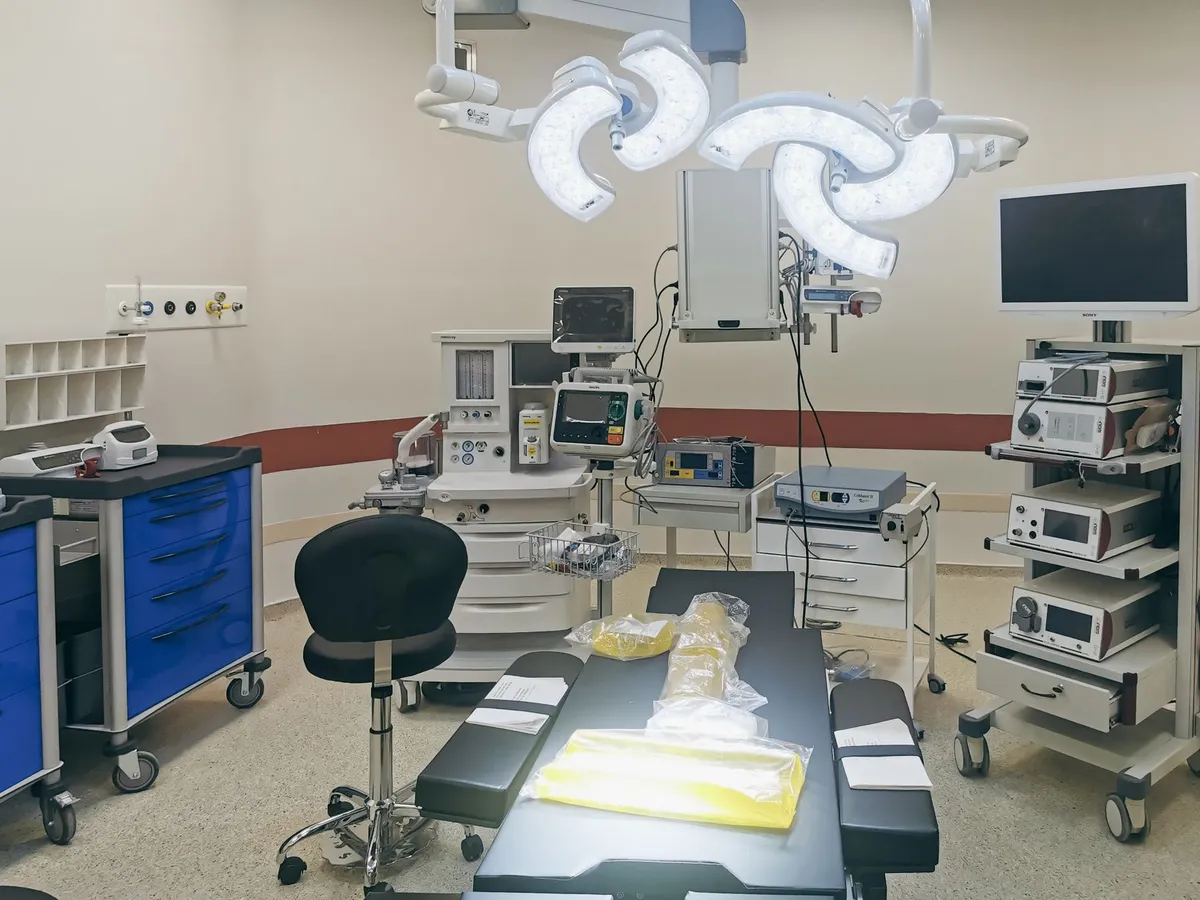
The ongoing Ebola outbreak in the Democratic Republic of Congo (DRC) has reached alarming levels, with nearly 3,000 confirmed cases and over 1,300 fatalities reported since the outbreak began. Just as efforts to contain the virus intensify, health workers at the Elikya Ebola Treatment Center in Bunia, located in Ituri province, have initiated a strike due to unpaid performance bonuses, further complicating an already dire situation. The strike has paralyzed operations at the center, raising concerns about the care received by the patients who rely on these critical services.
This outbreak is particularly concerning as it has been designated the fastest-growing in history. According to the DRC's Ministry of Health, as of last week, there were 2,973 confirmed cases, with 766 patients still in isolation or hospitals and 540 individuals having recovered. The rapid spread of the disease is exacerbated by numerous factors, including logistical challenges, community mistrust, and ongoing armed conflicts that hinder effective containment efforts.
The Current State of the Outbreak
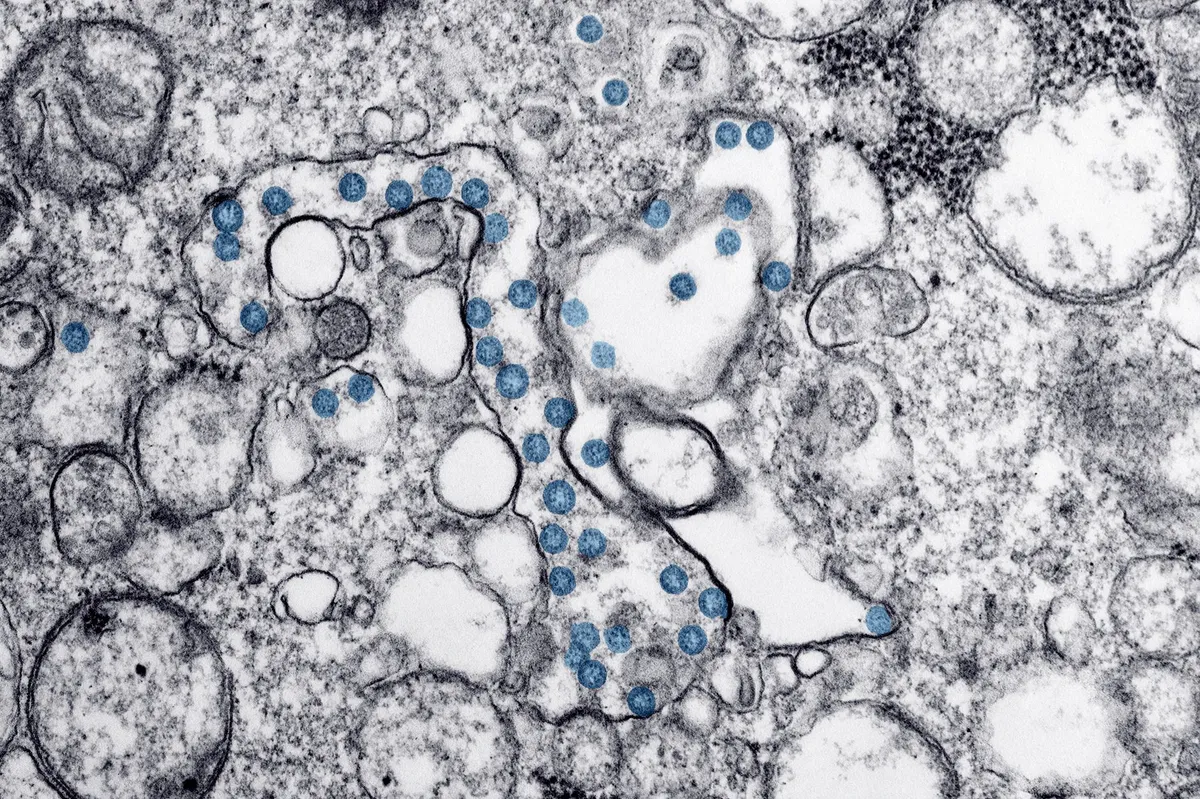
The outbreak, which began on May 15, has primarily affected the eastern province of Ituri, accounting for nearly 90% of all confirmed cases. The strain of the virus responsible for this outbreak is the rare Bundibugyo virus, which lacks an approved vaccine, unlike the more common Zaire virus that has been responsible for previous outbreaks. This absence of a vaccine poses a significant challenge to health officials trying to manage the crisis.
Despite the efforts of the World Health Organization (WHO) and local health authorities, the outbreak continues to spread faster than they can effectively track. The WHO reports that over 100 health workers have been infected since the outbreak began, underscoring the risks faced by frontline workers. The situation is compounded by a lack of funding for response efforts, attacks on health facilities, and a general mistrust among local communities regarding health interventions.
The Strike and Its Implications
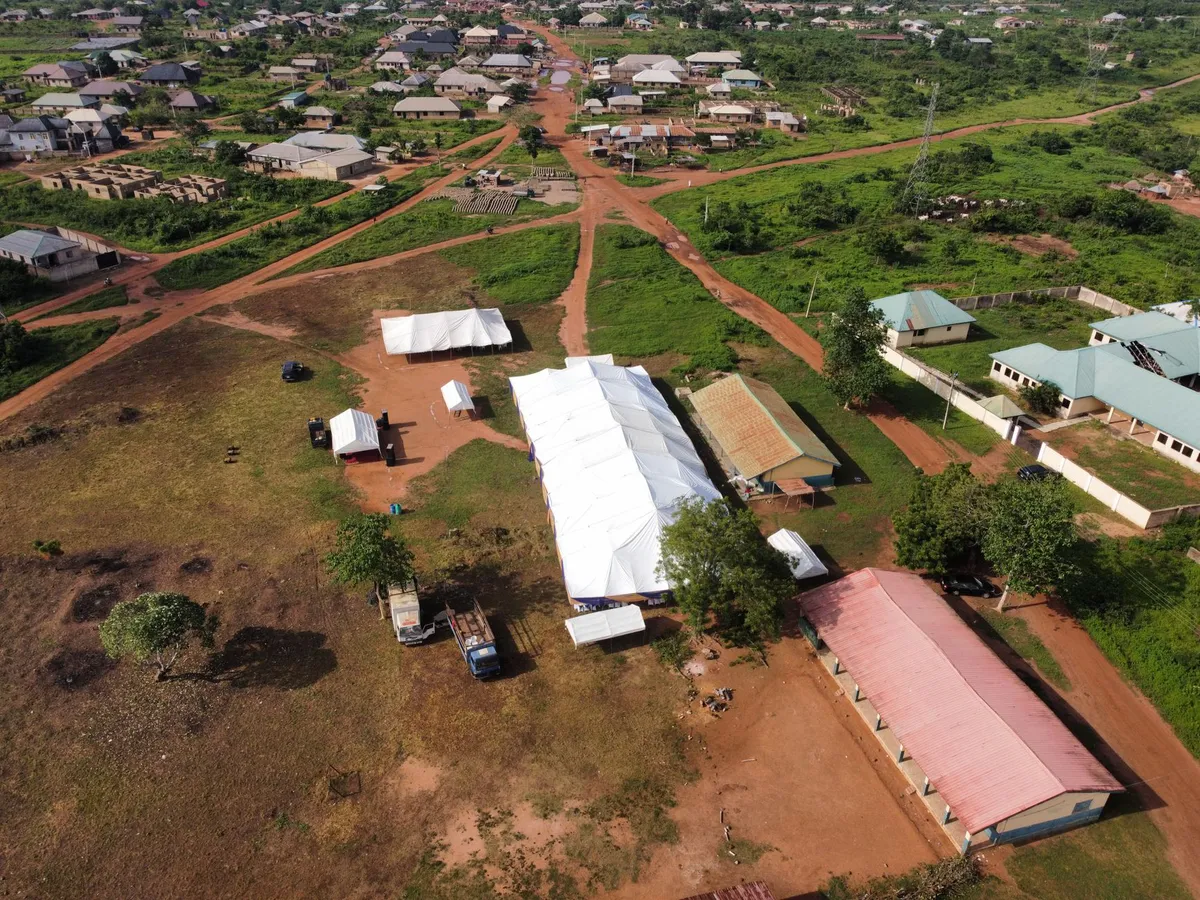
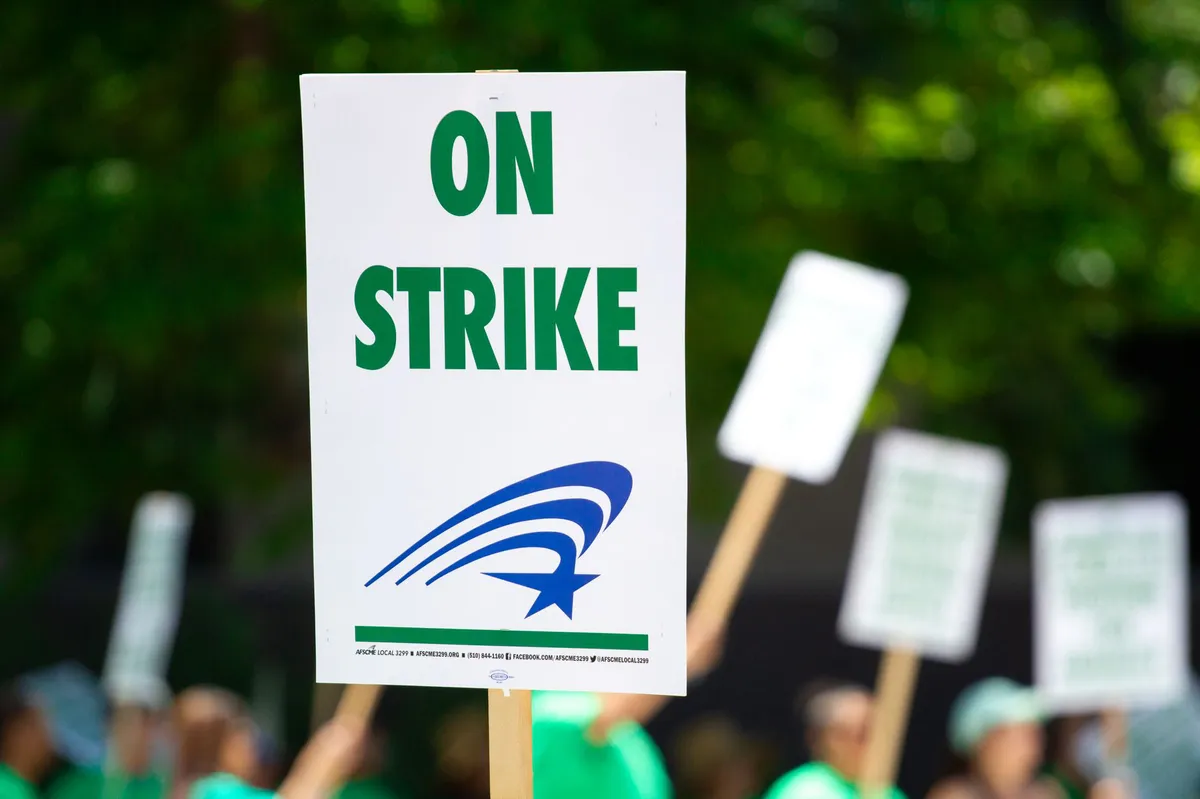
The strike by health workers at the Elikya Treatment Center and Bunia General Hospital highlights the critical intersection of healthcare, economics, and public health. Health workers protested outside the treatment center, demanding payment for two months of unpaid performance bonuses. Their statement emphasized that the lack of compensation was not only undermining morale but also disrupting patient care at a time when it is most needed.
This strike is not an isolated incident. Last week, health workers at Bunia General Hospital, the largest medical center in the region, halted operations over similar issues related to unpaid salaries. Reports indicate that some health workers have not received payments since the onset of the outbreak, which raises concerns about the sustainability of healthcare services under these conditions. The strike has left many patients without care, and with hundreds still in isolation, the stakes could not be higher.
Consequences of Disruption
The walkout has immediate implications for the management of the outbreak. Patients who rely on the treatment center for life-saving care are now at risk of deteriorating health conditions due to the lack of medical attention. This disruption can lead to increased transmission rates, as untreated patients can continue to spread the virus.
- Over 2,900 confirmed cases of Ebola reported in Congo.
- 1,309 deaths attributed to the outbreak.
- 90% of cases are concentrated in Ituri province.
- More than 100 health workers infected since the outbreak began.
Challenges in Containment
Health authorities face several challenges in controlling this outbreak, most notably the identification of the first patient, or “patient zero.” The DRC’s eastern region is characterized by instability due to ongoing conflicts, which complicates efforts to trace contacts of infected individuals. Displacement from violence and mining-related movements further exacerbate the difficulty of tracking the virus's spread.
Additionally, local communities often harbor skepticism towards health interventions, which has been a recurring theme in past outbreaks. This mistrust can lead to reluctance in seeking medical care, further hampering containment efforts. The response is also hindered by logistical difficulties, such as inadequate infrastructure and resources necessary for effective health interventions.
Prospects for Treatment and Response
While the WHO has indicated that the global risk of the outbreak spreading beyond Central Africa remains low, the situation in Congo is critical. Ebola spreads through direct contact with the bodily fluids of an infected person, making it less contagious than airborne viruses. However, the rapid increase in cases and the associated mortality rate necessitate urgent and effective responses.
In a significant development, enrollment in a study for two potential treatments for Ebola has recently commenced in Ituri. This research is crucial, given the lack of approved treatments for the Bundibugyo virus. As health officials continue to work towards combating the outbreak, the need for both immediate action and long-term solutions is paramount.
Key Takeaways
- The Ebola outbreak in Congo is the fastest-growing on record, with nearly 3,000 confirmed cases.
- Health workers are striking due to unpaid bonuses, jeopardizing patient care.
- Challenges in containment include community mistrust and ongoing conflicts.
- The Bundibugyo virus lacks an approved vaccine, complicating response efforts.
- Research into potential treatments is underway, highlighting the need for effective solutions.
Frequently Asked Questions
What is the Bundibugyo virus, and how does it differ from other Ebola strains?
The Bundibugyo virus is one of the strains of the Ebola virus and is less common than the Zaire virus, which has been responsible for the majority of past outbreaks. Unlike the Zaire strain, which has an approved vaccine, there is currently no vaccine or treatment available specifically for the Bundibugyo virus, making outbreaks caused by this strain particularly challenging to manage.
Why are health workers striking during an Ebola outbreak?
Health workers are striking due to unpaid performance bonuses, which they argue undermine morale and disrupt patient care. The strike highlights the difficulties faced by healthcare professionals in conflict zones and regions affected by disease outbreaks, where financial support is often lacking. Without adequate compensation, health workers may be less motivated to provide essential services, further jeopardizing the health and safety of the community.
What measures are being taken to contain the outbreak?
Containment measures include isolating infected individuals, tracing contacts, and providing treatment to those affected. However, the rapid spread of the virus and logistical challenges have hampered these efforts. Health authorities are also working to educate communities about the virus and the importance of seeking medical care, despite existing mistrust.
How can the public help in the response to the outbreak?
The public can help by staying informed about the outbreak, supporting health initiatives, and encouraging community members to seek medical care when necessary. Additionally, fostering trust in healthcare providers and participating in public health education can significantly contribute to containment efforts and the overall success of response strategies.
This article is for informational purposes only and does not constitute legal advice.
Comments
Popular in Medical Malpractice
- Nevada Doctor Indicted in Alleged $95 Million Medicare Fraud Scheme
- Nationwide Recall of Thyroid Medication: What You Need to Know
- Texas Lab Settles $36.4 Million Genetic Testing Fraud Case
- Understanding Locked-In Syndrome: Legal and Care Options for Affected Families
- Misdiagnosis Tragedy: Atlanta Woman's Hysterectomy from Testing Error