Barbacena: A City at the Crossroads of Psychiatric Reform in Brazil
Barbacena, Brazil, a city with a troubled psychiatric history, is facing significant challenges as it implements national reforms aimed at improving mental health care. The story of a young man accused of a crime highlights these reforms' complexities and the urgent need for systemic change.
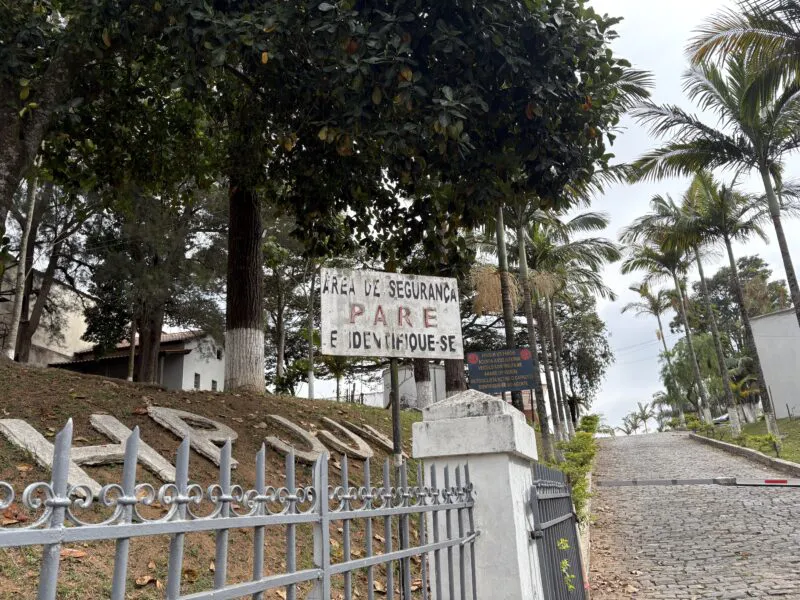
The story of Barbacena, Brazil, is one of both hope and struggle as the city grapples with the ramifications of a national psychiatric reform that seeks to redefine mental health care. This transformation is particularly pressing as Barbacena becomes the focal point for a pioneering case involving a 21-year-old man who, after allegedly stabbing his mother, finds himself incarcerated instead of receiving the mental health care he needs. The implications of his case reflect broader systemic issues within Brazil's justice and health care systems, raising critical questions about how mental illness is treated in the context of criminal behavior.
Since Brazil enacted a landmark psychiatric reform law 25 years ago, the nation has aimed to move away from the asylum model of care, which long characterized its approach to mental health treatment. Instead, the focus has shifted towards integrating mental health services into the public health system. This shift is enshrined in the National Council of Justice Resolution 487, adopted in 2023, which mandates the closure of forensic psychiatric hospitals and emphasizes community-based treatment. However, as Barbacena's case illustrates, the transition is fraught with challenges that expose the unfinished nature of Brazil's psychiatric reform.
Understanding the Background of Brazil's Psychiatric Reform
The push for psychiatric reform in Brazil has its roots in a historical context marked by the notorious Hospital Colônia, which functioned as a psychiatric institution for over a century. Between 1903 and 1979, more than 91,000 patients were admitted to the hospital, often under deplorable conditions that many have likened to human rights abuses. The legacy of this institution looms large over Barbacena, where the remnants of its past still influence contemporary attitudes toward mental health care.
The Brazilian government declared a shift in 2001 with Law 10,216, which prohibited the hospitalization of individuals in asylum-like institutions and sought to create a more humane and integrated mental health care system. This legislation laid the groundwork for the current policies, including Resolution 487, which aims to eliminate the dual role of forensic psychiatric hospitals as both treatment facilities and prisons.

The Complexities of Implementation
As Barbacena faces the realities of these reforms, the case of the young man accused of murder serves as a litmus test for the system's effectiveness. While courts have begun mental competency proceedings to assess his criminal responsibility, the lack of available treatment beds highlights a significant gap in the system. The young man remains in jail, waiting for a transfer to a facility that aligns with the new guidelines, revealing the ongoing struggle to implement a framework designed to prioritize health care over incarceration.
The Role of Community Health Services
Brazil's Psychosocial Care Network aims to provide a comprehensive approach to mental health, including community mental health centers, therapeutic residences, and general hospital mental health beds. However, the reality in Barbacena reflects a stark disconnect between policy and practice. Local health officials, such as Gustavo Ferreira de Souza, Barbacena’s health secretary, have expressed concerns regarding the lack of specialized teams capable of managing cases involving criminal behavior intertwined with mental health crises. This gap raises pressing questions about how the reform's ideals can be realized without adequate support structures in place.

A Historic Turning Point
The recent transfer of the final residents from the Hospital Colônia to community-managed facilities marks a significant milestone in Brazil's deinstitutionalization efforts. This move not only represents the end of a dark chapter in the nation's history but also symbolizes a commitment to a more person-centered approach to mental health. The hospital complex has since transitioned into a general hospital and teaching center, with the Museum of Madness serving as a stark reminder of past atrocities.
Exhibits in the museum include artifacts and testimonies that document the appalling conditions faced by patients, such as overcrowded wards and inadequate care. The museum plays a dual role: it preserves historical memories while also serving as a platform for advocacy and awareness about mental health issues. Local figures, such as Waldir Damasceno, coordinator of Barbacena's municipal museum, emphasize the importance of remembering this history to prevent the recurrence of past abuses.
Challenges and Future Directions
Despite the progress made since the closure of the Hospital Colônia, challenges remain. The Brazilian Supreme Court is currently reviewing four pending challenges to Resolution 487, and the outcomes of these cases will significantly impact the future of mental health treatment in the country. Furthermore, the lack of clarity in procedures and protocols for implementing the new policies in Barbacena indicates that the path forward is still being forged.
As the young man's case unfolds, it underscores the need for immediate action to ensure that mental health services are accessible and adequately funded. Without a robust framework for evaluation and treatment, the ideals of the psychiatric reform may remain unfulfilled, leaving vulnerable individuals caught in a punitive system instead of receiving the care they desperately require.
Key Takeaways
- The transition from forensic psychiatric hospitals to community-based care is still underway in Brazil.
- The case of a young man in Barbacena highlights systemic gaps in mental health care.
- Historical legacies of institutions like Hospital Colônia continue to shape public perceptions and policy.
- Ongoing legal challenges may impact the future of mental health reform in Brazil.
- Community health services are crucial for the success of psychiatric reform but currently lack adequate resources.
Frequently Asked Questions
What are the key objectives of Brazil's psychiatric reform?
The primary objectives of Brazil's psychiatric reform are to shift away from institutionalized care towards community-based treatment, prioritize patient rights and dignity, and ensure that individuals with mental health conditions receive integrated care through the public health system. This reform aims to eliminate the stigma associated with mental illness and create a more compassionate healthcare environment.
How does the resolution affect individuals accused of crimes?
Resolution 487 mandates that individuals with mental health conditions who are involved in the criminal justice system receive treatment through public health facilities rather than being confined in forensic psychiatric hospitals. This approach emphasizes treatment over punishment, aiming to provide necessary psychiatric care while evaluating their criminal responsibility.
What is the significance of Barbacena's Museum of Madness?
The Museum of Madness serves a crucial role in preserving the history of psychiatric care in Brazil, particularly the abuses that occurred at Hospital Colônia. By showcasing artifacts and testimonies, the museum educates the public about the importance of humane treatment for individuals with mental health conditions and advocates for ongoing reforms in mental health policy.
What challenges does Brazil face in implementing psychiatric reform?
Brazil faces numerous challenges in implementing psychiatric reform, including inadequate funding for community health services, a lack of trained professionals, and ongoing legal disputes regarding new policies. These obstacles hinder the effective delivery of mental health care and may perpetuate the cycle of incarceration for individuals with mental illnesses.
This content is for informational purposes only and should not be construed as legal advice.
Comments
Popular in Medical Malpractice
- Nevada Doctor Indicted in Alleged $95 Million Medicare Fraud Scheme
- Nationwide Recall of Thyroid Medication: What You Need to Know
- Texas Lab Settles $36.4 Million Genetic Testing Fraud Case
- Understanding Locked-In Syndrome: Legal and Care Options for Affected Families
- Misdiagnosis Tragedy: Atlanta Woman's Hysterectomy from Testing Error