Wildfire Risks Threaten Access to Dialysis for Canadian Patients
As wildfires become increasingly prevalent in Canada, dialysis patients are facing mounting challenges accessing crucial medical treatments. This article explores the implications of these risks and the urgent need for enhanced emergency planning.
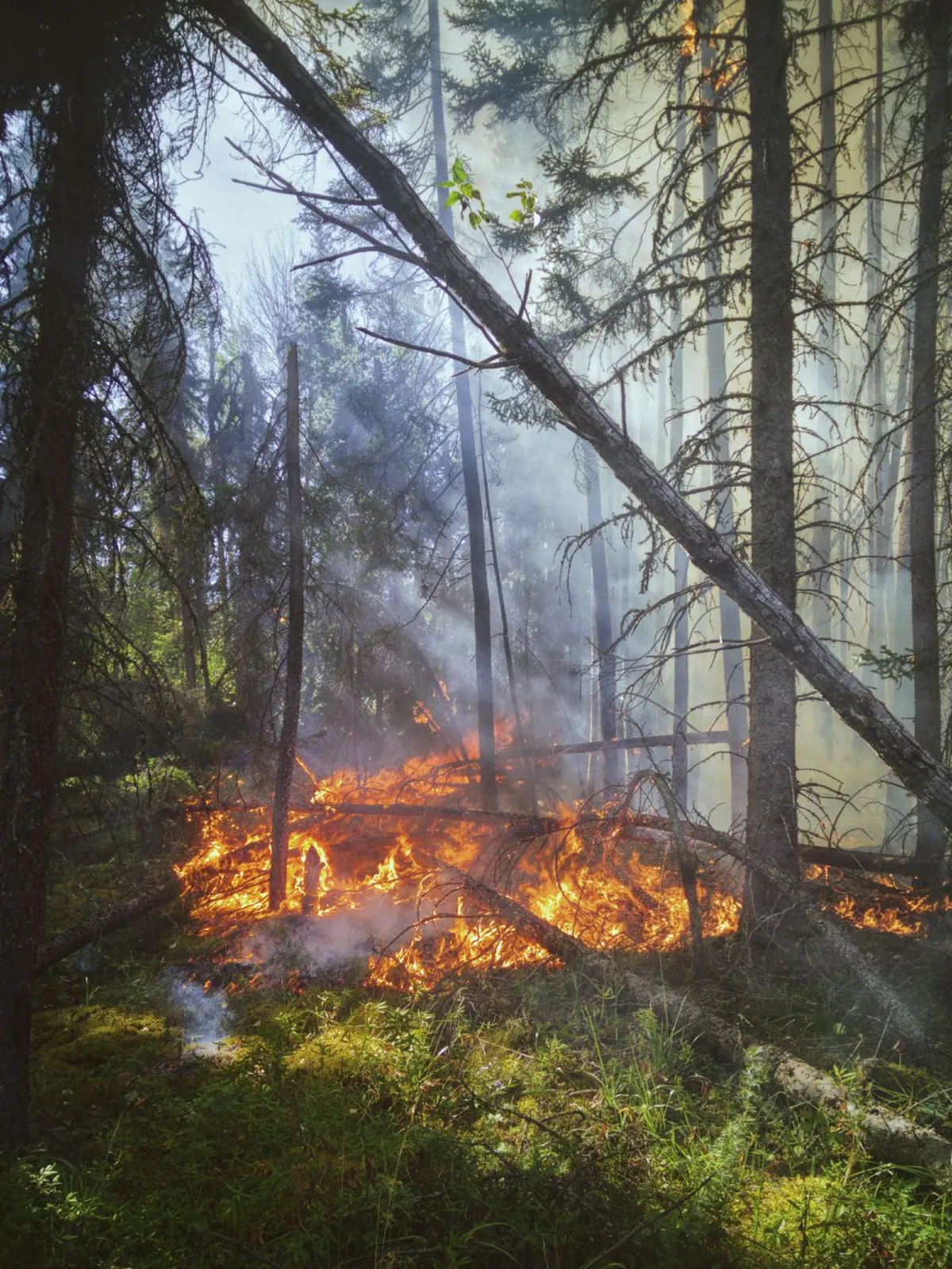
The threat of wildfires in Canada is escalating, with profound implications for vulnerable populations relying on essential medical treatments, particularly dialysis patients. A recent study conducted by researchers at McGill University and published in Kidney International Reports highlights alarming findings: a significant number of dialysis centers across the country are situated in areas at high risk for wildfires. This raises critical questions about the future of healthcare accessibility during emergencies, where timely and consistent treatment is not just a matter of convenience but a lifeline.
Dialysis, a procedure that removes waste and excess fluid from the blood when kidneys are unable to function properly, is a regular necessity for over 23,000 Canadians who receive in-center hemodialysis. The frequency of these treatments—often three times a week—means that any disruption, particularly from natural disasters like wildfires, could lead to dire health consequences. The implications of this study extend beyond mere statistics; they touch on the very fabric of healthcare and emergency preparedness in the face of an increasingly unpredictable climate.
Understanding the Risk Landscape
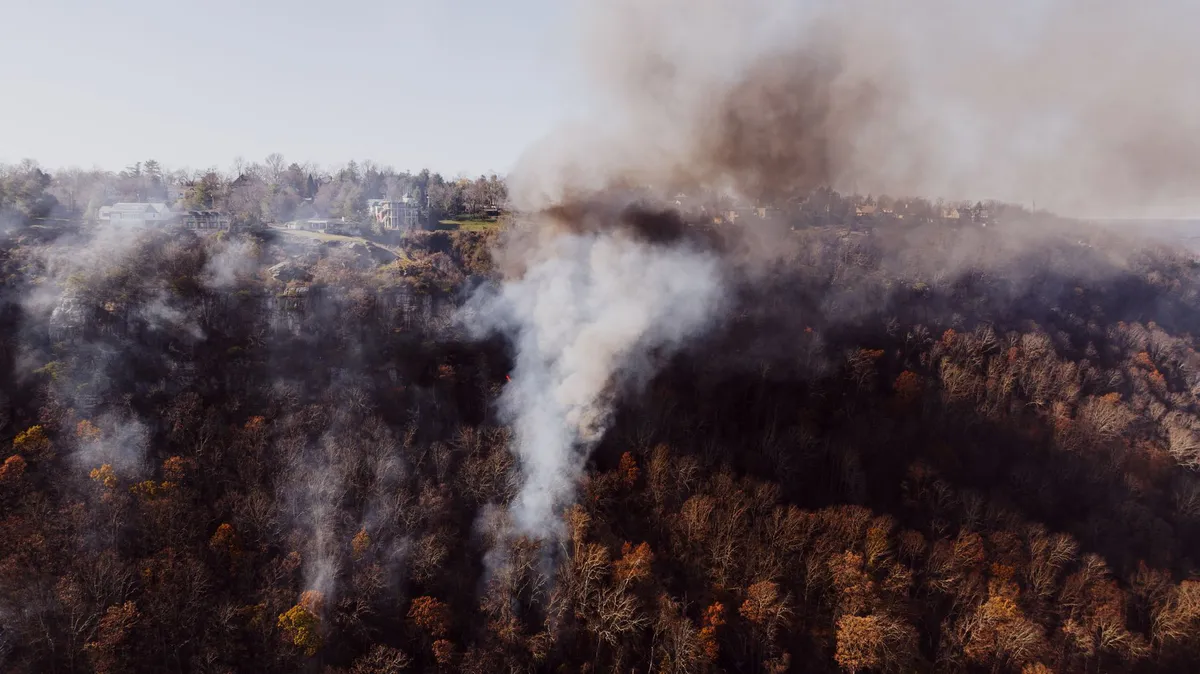
The McGill study meticulously mapped the locations of 341 dialysis facilities against historical wildfire data and current risk assessments. The findings were stark: approximately 30% of these facilities had been located within five kilometers of at least one recorded wildfire in the past 30 years. Furthermore, about 64% of the dialysis centers were situated in areas classified as having high, very high, or extreme wildfire risk. This isn’t just a theoretical concern; it presents real barriers to access for a significant portion of patients who depend on these facilities for their survival.
Dialysis and Emergency Situations
Patients undergoing dialysis require not only access to treatment facilities but also a stable environment where these centers can operate effectively. Key elements essential for the functioning of dialysis centers include:
- Electricity: Critical for powering machines that perform dialysis.
- Water: A vital resource for the dialysis process.
- Healthcare Staff: Trained professionals are needed to administer treatment.
- Transportation: Reliable means for patients to reach treatment centers.
In the event of a wildfire, any disruption to these elements—such as power outages, road closures, or evacuations—can have devastating impacts on patient care. Wildfire smoke poses additional health risks, especially for individuals with pre-existing conditions, including those with kidney disease.

The Growing Wildfire Crisis
The summer of 2023 marked a turning point in Canada’s battle against wildfires, with over 15 million hectares burned, marking the largest wildfire season on record. The increased frequency and intensity of these wildfires are symptomatic of broader climate change trends, which are altering weather patterns and increasing the likelihood of such disasters. For dialysis patients, this escalating threat is not just an abstract concern; it is a reality that necessitates urgent attention from healthcare systems and policymakers alike.
Need for Proactive Emergency Planning
The study’s authors emphasize the importance of proactive planning to address these risks. By mapping the locations of dialysis facilities against wildfire danger zones, health officials can develop more effective emergency response strategies. Some key planning measures could include:
- Identifying backup treatment locations for patients to access in emergencies.
- Establishing transportation routes that remain operational during wildfires.
- Ensuring reliable access to clean water and electricity for treatment facilities.
- Creating evacuation plans that prioritize patients who require immediate care.
These proactive measures are not solely for wildfires; they can also be adapted for other climate-related challenges, including flooding, extreme heat, and severe storms. As the frequency of such events increases, developing comprehensive emergency protocols will be crucial to maintaining continuity of care for dialysis patients and other vulnerable populations.
Implications for Healthcare Systems
The findings from McGill University highlight a pressing need for healthcare systems to integrate climate risk assessments into their planning and operational frameworks. As extreme weather events become more common, the capacity to respond effectively to unexpected disruptions is paramount. Health systems must consider the unique needs of patients who rely on regular treatment and ensure that they are not left vulnerable during crises.
Collaboration Across Sectors
A multi-faceted approach is necessary to address the challenges posed by wildfires and other natural disasters. This includes collaboration among healthcare providers, government agencies, emergency services, and community organizations. Through shared resources and coordinated efforts, we can ensure that patients have access to the care they need, regardless of external circumstances.
Key Takeaways
- About 64% of Canadian dialysis centers are in high wildfire risk areas.
- Proactive emergency planning is essential to ensure continuity of care for dialysis patients.
- Wildfires pose significant health risks and logistical challenges for vulnerable populations.
- Collaboration among healthcare providers and government entities is crucial for effective disaster response.
- Mapping and risk assessments can improve preparedness for future climate-related challenges.
Frequently Asked Questions
What is dialysis and why is it important?
Dialysis is a medical treatment used to filter waste and excess fluids from the blood when the kidneys cannot perform this function on their own. For many patients with chronic kidney disease, dialysis is a life-sustaining procedure that must be performed regularly—often multiple times a week. Missing treatments can lead to serious health complications, making consistent access critical.
How do wildfires affect dialysis patients specifically?
Wildfires can disrupt access to dialysis centers by causing road closures, power outages, and evacuations. Additionally, the smoke produced by wildfires can exacerbate health issues for vulnerable populations, including those with compromised kidney function. This means that during wildfire events, patients may struggle to reach their treatment facilities, putting their health at risk.
What measures can be taken to protect dialysis patients during emergencies?
Healthcare systems can implement several measures to protect dialysis patients during emergencies, including developing backup treatment locations, ensuring reliable transportation routes, and maintaining access to essential resources like electricity and clean water. Additionally, emergency plans should prioritize the needs of dialysis patients to minimize disruptions to their care.
How can communities prepare for the increasing threat of wildfires?
Communities can prepare for wildfires by creating comprehensive emergency response plans that consider the unique needs of vulnerable populations, such as dialysis patients. This includes conducting risk assessments, improving infrastructure resilience, and fostering collaboration among healthcare providers, emergency services, and community organizations to create a united front against the threats posed by climate change and natural disasters.
This article is for informational purposes only and is not legal advice.
Comments
Breakthrough Research: Cancer Drug Venetoclax Shows Promise Against HIV
Recent studies suggest that the cancer drug venetoclax may offer a new approach to eliminating HIV-infected cells, potentially paving the way for a cure. Researchers at Emory University have found significant results in animal models, indicating a shift in HIV treatment strategies. This article explores the implications of these findings and their potential impact on HIV therapies.

Related articles
Popular in Medical Malpractice
- Nevada Doctor Indicted in Alleged $95 Million Medicare Fraud Scheme
- Nationwide Recall of Thyroid Medication: What You Need to Know
- Texas Lab Settles $36.4 Million Genetic Testing Fraud Case
- Understanding Locked-In Syndrome: Legal and Care Options for Affected Families
- Misdiagnosis Tragedy: Atlanta Woman's Hysterectomy from Testing Error